Ho Chi Minh City launches venture fund to foster tech unicorns
Speaking at the opening ceremony of the Vietnam Global Innovation Connect (VGIC) 2026 on July 29, Vice Chairman of the Ho Chi Minh City People’s Committee Nguyen Manh Cuong said the city has taken the initial step of creating the fund to expand investment channels and reinforce its role as Vietnam’s leading innovation hub.
According to Cuong, the city sees collaboration among government, universities, businesses, major corporations and investment funds as the cornerstone of a complete innovation ecosystem. This partnership is expected to connect public policy, knowledge, technology, financial resources and market opportunities more effectively.
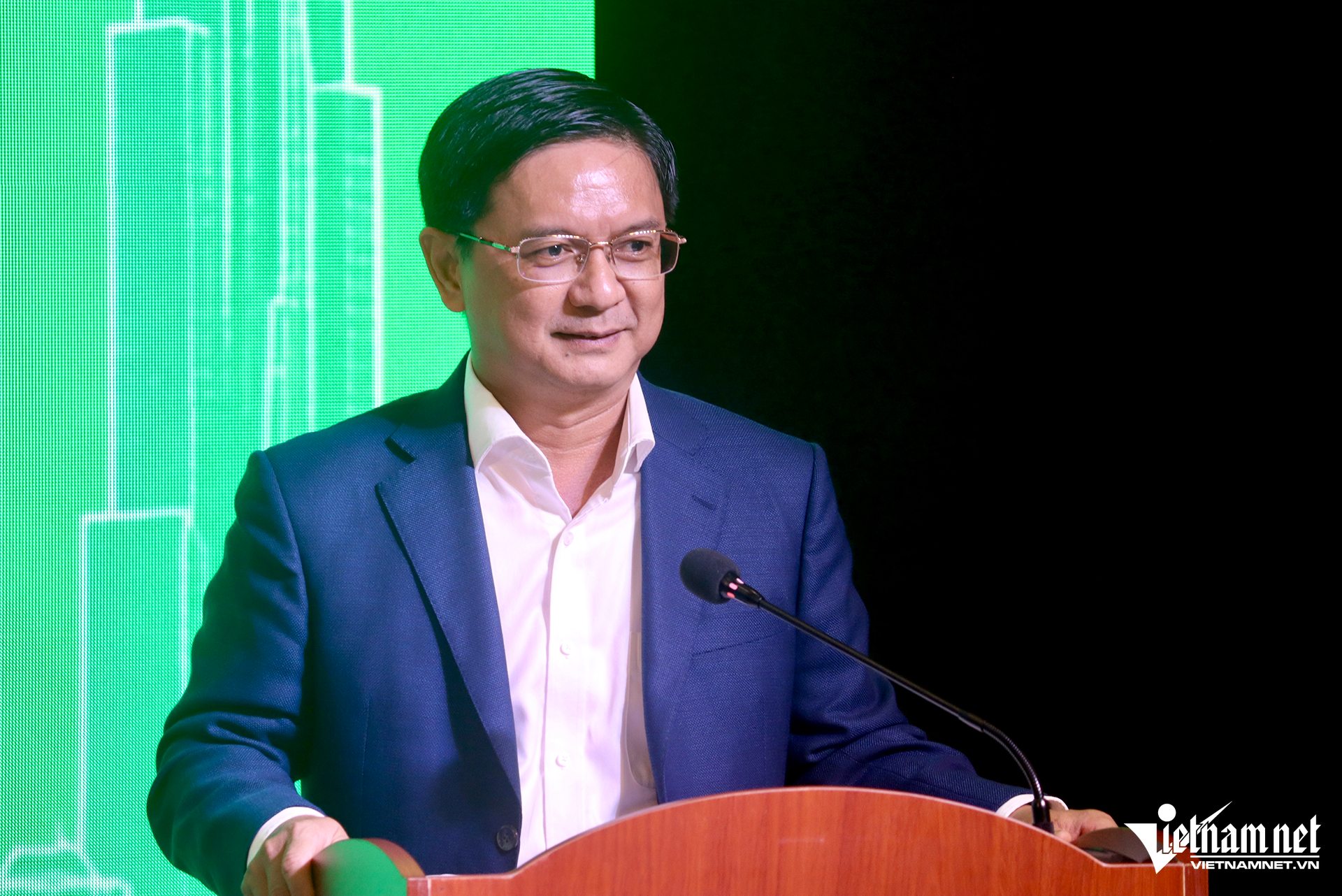
The venture capital fund is intended to support that strategy by creating an additional mechanism to translate innovation into practical economic outcomes.
Cuong also expressed his hope that a technology company with unicorn status – generally defined as a privately held startup valued at more than US$1 billion – will emerge from the city’s innovation ecosystem in the coming years. He described such a company as an important foundation for developing a knowledge-based economy driven by science, technology and innovation.
The city’s leadership will continue promoting research and development, technology transfer, support for businesses seeking to strengthen innovation capacity, and international cooperation to attract technology, investment and highly skilled talent.
“To achieve these goals, Ho Chi Minh City identifies science, technology, innovation and digital transformation as the primary drivers of growth in the next stage of development. Foundational technologies such as artificial intelligence, semiconductors and digital technologies will create new growth models, improve labor productivity, strengthen business competitiveness and enhance urban governance,” Cuong said.
He also pledged that the city government and relevant departments would create the most favorable conditions possible to ensure investment projects are implemented quickly and meet the development needs of businesses and both domestic and international startup communities.
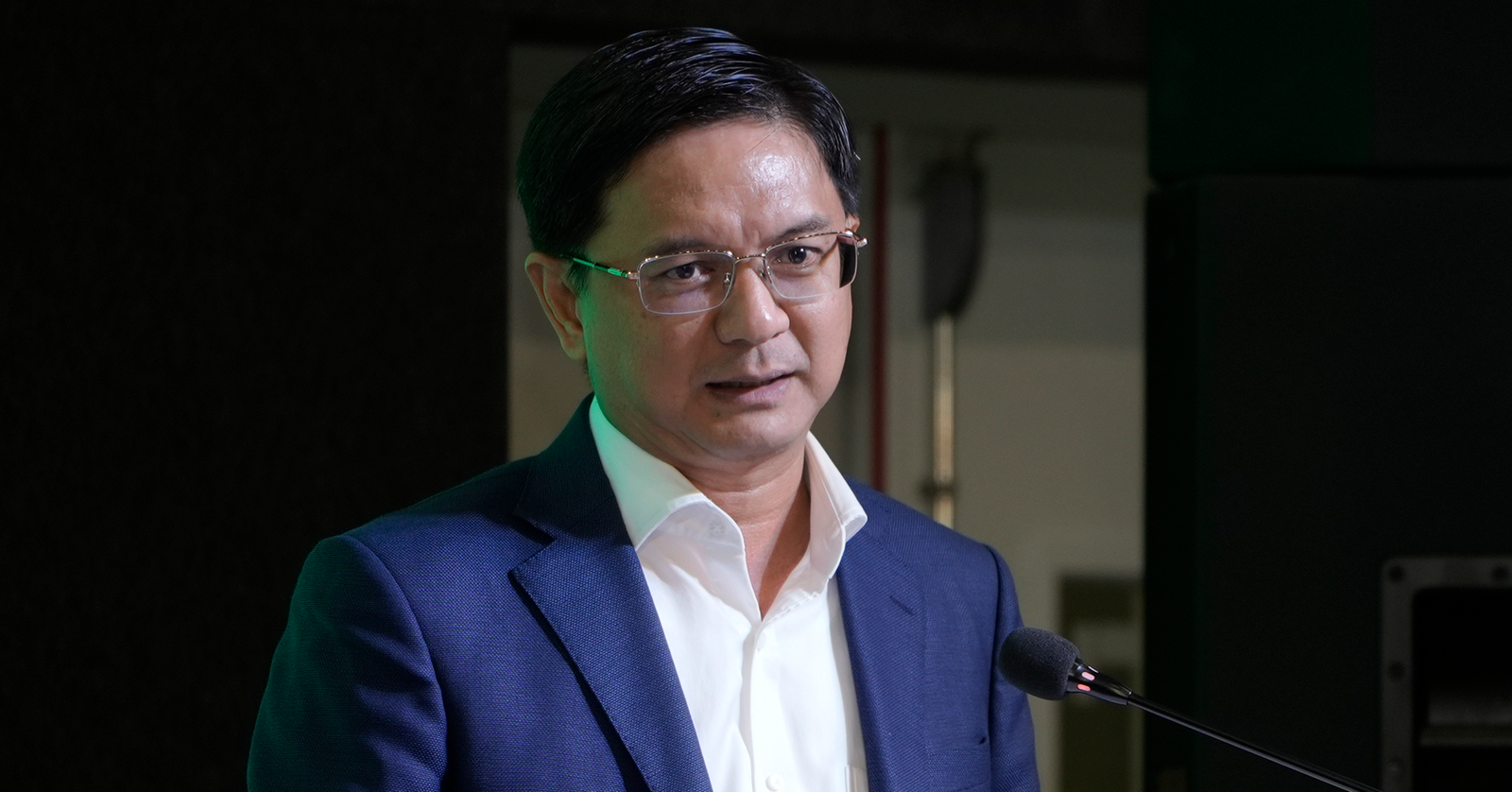
Speaking at the forum’s opening ceremony, Professor Nguyen Duc Khuong, Chairman of the Association of Vietnamese Scientists and Experts Global (AVSE Global), said the event had brought together 100 Vietnamese and overseas Vietnamese innovators, scientists and technology leaders working across 15 countries, all sharing the ambition of helping Vietnam compete on the global stage.
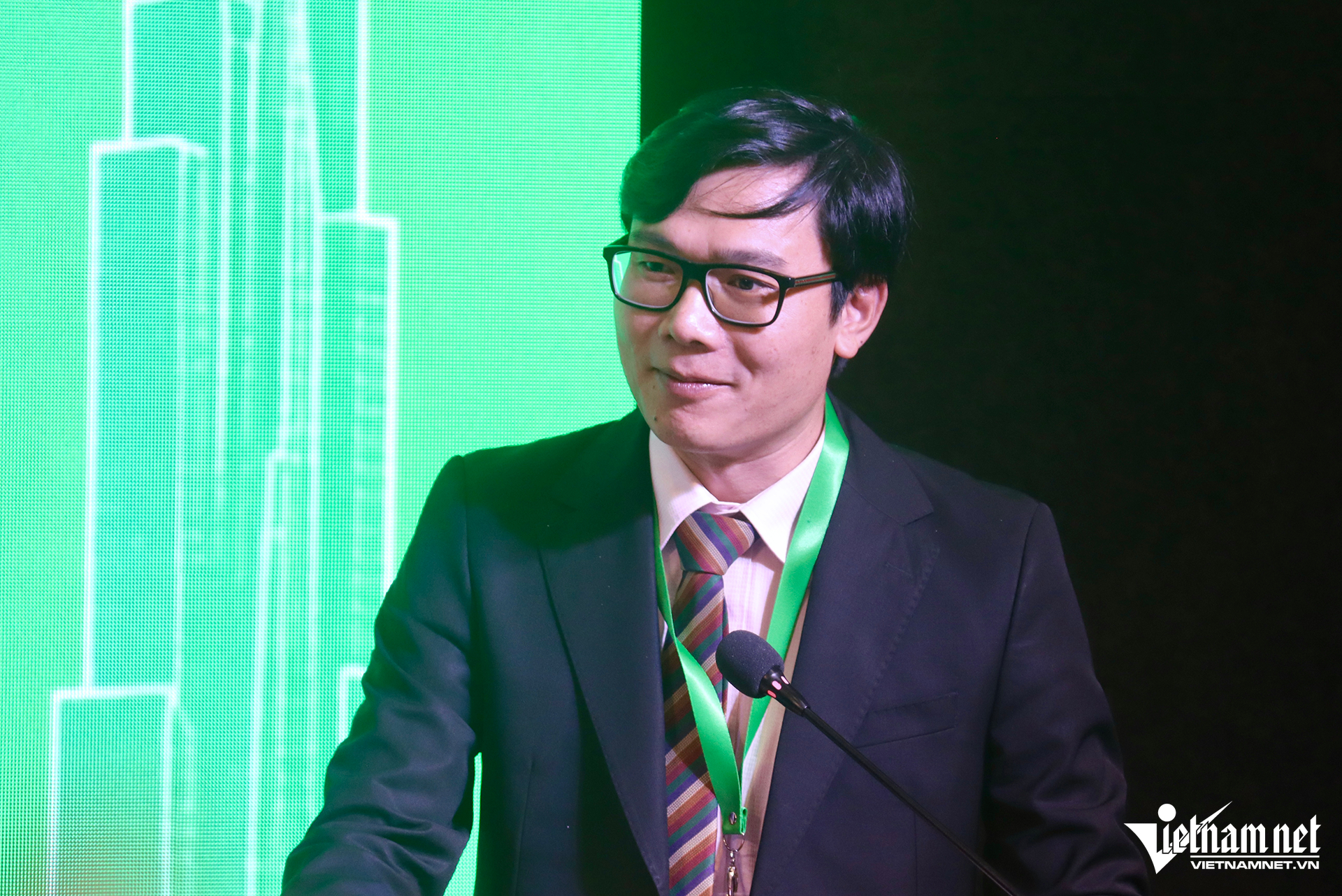
Professor Nguyen Duc Khuong, Chairman of AVSE Global, addresses the opening ceremony of the Vietnam Global Innovation Connect (VGIC) 2026.
According to Professor Khuong, technology alone cannot transform a nation. Real change comes from people who know how to apply technology effectively and intelligently.
“Technology does not change a nation, but people change a nation through technology,” he said.
He argued that while many countries possess advanced technologies, they do not necessarily achieve sustained growth or prosperity. What ultimately matters is the ability to use technology as a catalyst for development.
Professor Khuong described the current period as a strategic opportunity for Vietnam to accelerate its development through science, technology and innovation, stressing that “time waits for no one.”
He added that semiconductors and artificial intelligence cannot create national aspirations by themselves, but people can turn these technologies into powerful tools to realize development goals and build a more prosperous country.
Following its inaugural edition at Google’s Asia-Pacific headquarters in Singapore in 2025, the Vietnam Global Innovation Connect returned for its second edition in Ho Chi Minh City under the theme “Future Technologies – Vietnam’s Digital Leap.”
The forum brings together experts to discuss national smart development strategies, AI applications in industrial transformation and strategic technologies highlighted in Resolution No. 57-NQ/TW, including artificial intelligence, the Internet of Things (IoT), big data, blockchain, semiconductors, quantum technology and 5G/6G infrastructure.
Phuoc Sang