HONOR Magic V6 review: a foldable for Apple users
The usual question at every release of a folding phone, of course, is whether the mid-2000s price is right.
Folding phones have been normalised as an offering, if not a de facto choice. If there’s any comfort — the first high-profile Android ‘phablet’ — the 5-inch Dell Streak was ridiculed despite the clear advantage of a big screen, and it took several years before these oversized devices became mainstream.
A lot of it comes down to application. Like most full-sized folding phones, the HONOR Magic V6 makes most sense when the inner screen has a regular job. Mine was reading, and it’s hard to go back once you’ve spent enough time on an almost tablet-like 7.95-inch display.
So has the Honor done enough with the Magic V6?
Design and build
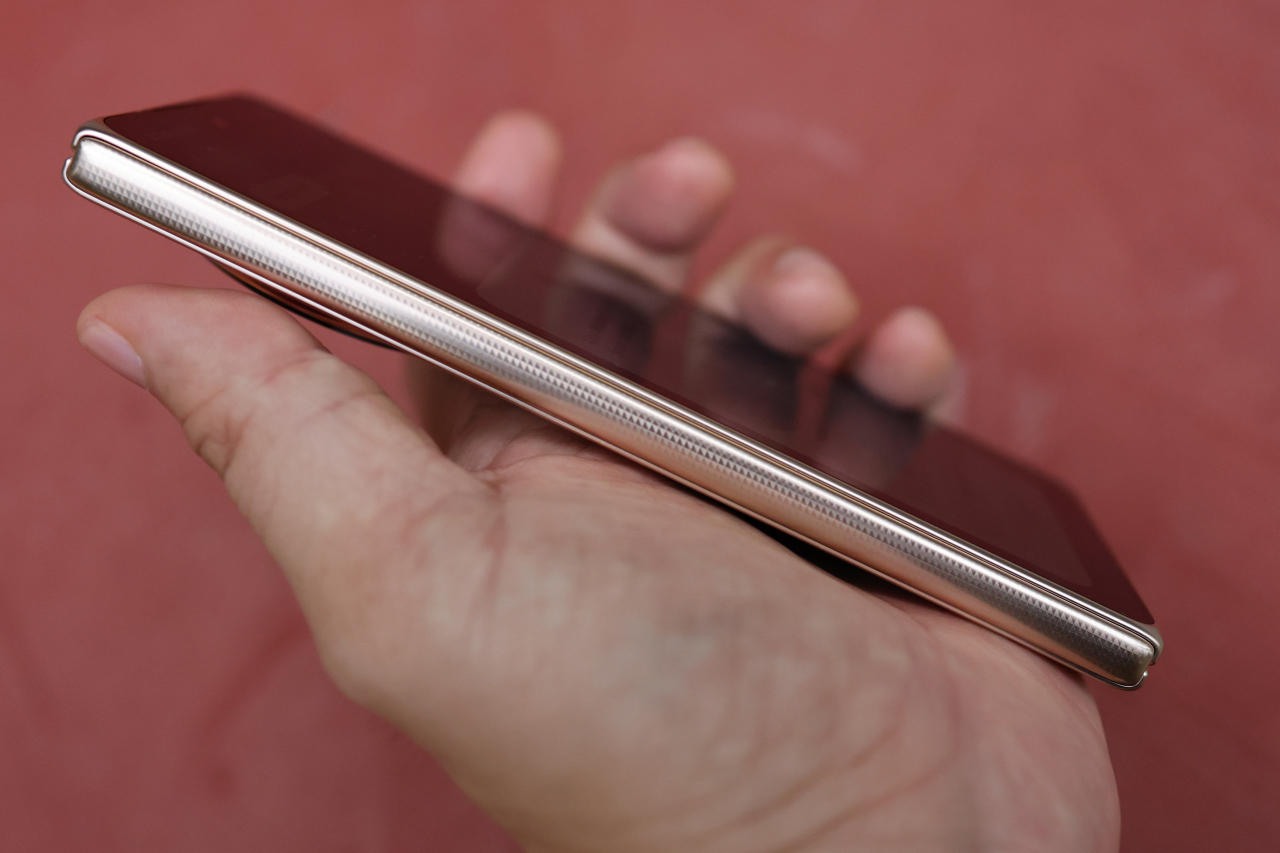 The eyeball test from a distance is good — from afar it’s slim enough to resemble a regular flagship with an oversized camera bump. Up close, the fit and finish are difficult to fault. The panels meet the frame cleanly, suggesting tight tolerances, while the hinge feels tightly assembled with no play. The spine also sports a subtly woven pattern that adds visual texture to the otherwise understated design.
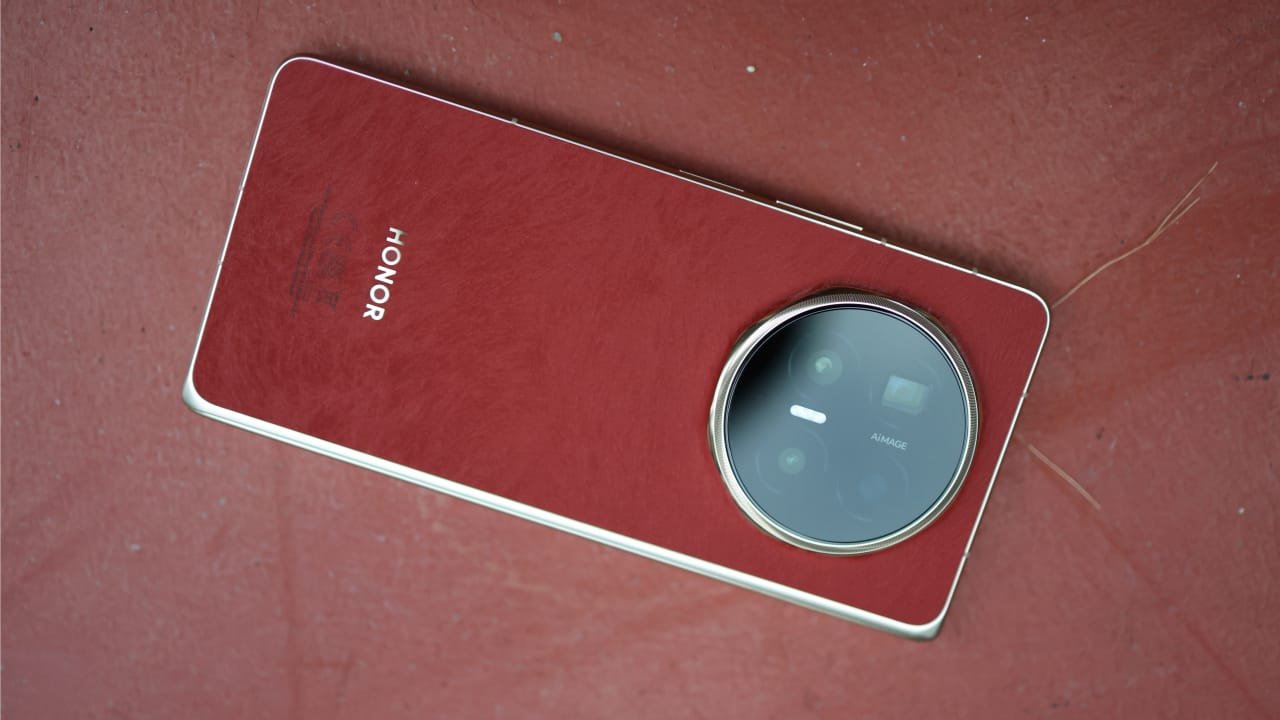
HONOR’s headline 8.75mm thickness folded and 219g weight apply specifically to the Ivory White model, with the rest measuring 9.0mm. But whichever colour you choose, it never feels like two phones bolted together. The rear camera island is substantial, but it is no larger than what you would find on a camera-centric flagship.
The company rates its hinge for 500,000 folds and gives the phone IP68 and IP69 dust and water-resistance ratings. Those figures are reassuring, even if the plane-towing demonstration is overkill — who stresses their phone that way? But the underlying point is clear: the Magic V6 is a pretty tough cookie.
That said, I have had instances where water gets trapped, causing the speakers to crackle. High-frequency water ejection sounds only partially clear it, and I had to wait for it to dry before the sound returned to normal. No danger here, just a note not to be alarmed if it happens.
Hard to beat a mini tablet display
The 6.52-inch outer display is slightly narrow and Xperia-like, and is comfortable enough that there is no need to unfold the phone for every message, notification, or quick search.
In mini-tablet mode, the 7.95-inch display is almost squarish. Both screens are LTPO OLED panels supporting refresh rates of up to 120Hz, and neither gave me reason to complain about brightness, colour or contrast, whether indoors or outdoors. The slight crease can still be seen from certain angles and felt when a finger crosses the centre, but it is inconspicuous in daily use, and structural improvements and robust screens have largely minimised fears of wear and tear.
The screen quality is also excellent all around. Dark, high-contrast content remained legible rather than disappearing into murky patches, while the speakers were loud enough for casual viewing and sounded better than the thin chassis might suggest.
Because of how slim, light, and sturdy it feels, you’ll likely have no qualms about handling the phone in tablet mode often. Webpages feel less cramped, documents are easier to scan through, and conversation threads feel less claustrophobic.
And for those who don’t mind squeezing, you can use a split view (two screens and a third window), which is useful for simple combinations, such as replying to messages in an app while referencing notes in another.
Magic Portal is also a good example of how a bigger screen makes this intuitive: you can select text, an image, or a file and drag it to the side of the display to send it to Notes, Maps, email, or another suggested service without first losing the source in a multi-window context. The trade-off is that while it works largely with Honor’s own apps as well as popular ones like WhatsApp, it’s not a guarantee. For example, Chrome browser has issues splitting, though the floating window works fine.
While the multitasking experience has largely been good, the barely 8-inch display is too small for deskbound work. However, it’s ideal for someone who’s constantly on the move and needs to check off small tasks on the fly. 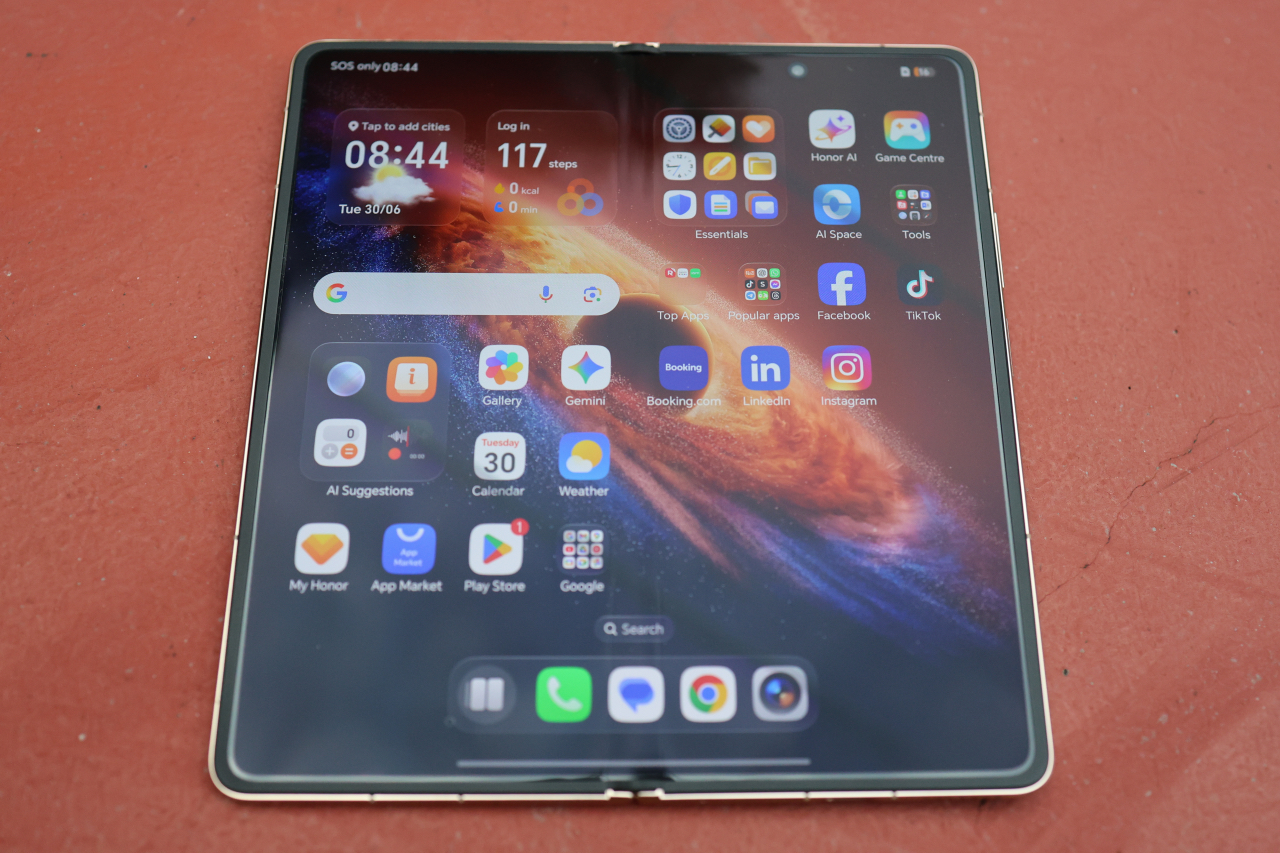
Unobtrusive software and useful Apple integration
MagicOS leans minimalist, though the HONOR App Market remains another application store to maintain, as some software updates are delivered through it. That’s because the phone comes stock with many HONOR apps, but to their credit, most stay out of the way until needed, and don’t constantly try to pull you into using them.
What I do appreciate is how they try to streamline the experience according to most common use cases. Rather than having a multi-app ‘workflow’, the process becomes more of a ‘one-shot’ task.
For example, notes, memos and other system tools pass information between one another with relatively little fuss. Material captured with AI Memo is transcribed and can be synced to Notes, so you don’t need to use one app after another. It presents generative AI as easy-to-use, everyday tools rather than making it the centre of the interface.
The connections with Apple devices are one of its most interesting features. The Magic V6 can exchange files with iPhones and iPads, access iCloud files and work with Macs through HONOR’s companion software (Honor Connect and Honor Super Workbench).
This enables file sharing, screen mirroring, and notifications. AirPods feel almost native; you can toggle your settings, and you even get the animation cards when you connect. No Find My or spatial tracking, though, which is indicative of the limitations — the integration is not deep-seated; you can fetch iCloud files but not write directly, Netflix DRMs will not carry over, and you need to manually disconnect the devices.
The long and the short of it: it solves a few day-to-day inconveniences for Apple users, though it’s probably not ideal if iCloud integration is critical.
Regulated Snapdragon performance for long battery life
How does HONOR square the fact that the Magic V6 has a Snapdragon 8 Elite Gen 5? Having a top-of-the-line processor in a thin phone presents a heat dissipation problem, no matter how sophisticated your cooling system is.
The trade-off is that the phone is optimised for balanced mode, and it’s all the better for it. For its everyday, intended purpose as a multitasker, the phone cruises along without issues. Apps open quickly, and multi-window use remains responsive.
More importantly, it also enables the phone’s 6,660mAh battery to last a day and a half — or maybe even two on less busy days — in mixed use. You don’t have to worry about not using the inner display to save power, and you’re more than likely to last a full workday in mini tablet mode. This ease of mind is perhaps one of its strongest qualities.
Performance mode can be enabled, but when you really stress its heat-dissipation limits, you’ll only last roughly 15 minutes on average before throttling kicks in, making it good for the odd quick video edit but not long sessions of Genshin-esque games at maxed settings.
The Magic V6 also supports 80W wired and 66W wireless charging, the latter of which is very speedy and suggests that wireless use is the way to go. However, you’ll need to buy the optional SuperCharge Wireless Stand.
Full telephoto cameras but best used in daylight
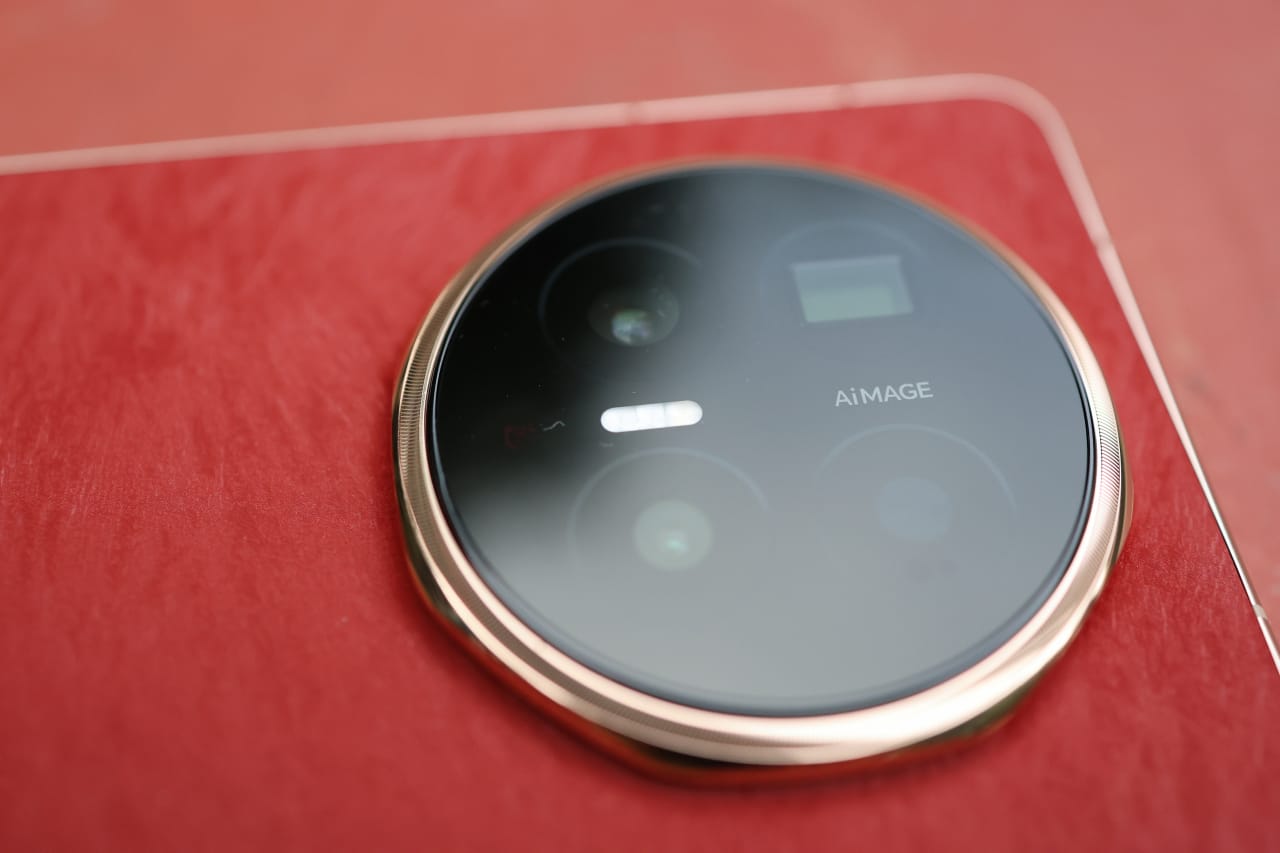 The rear system combines a 50MP main camera, a 50MP ultra-wide and a stabilised 64MP periscope telephoto camera with 3x optical zoom. The results are good for most normal uses; photographs are clear, the transition between cameras is acceptable, and the telephoto adds genuinely useful reach.
Folding phones tend to lag behind their slab-phone cousins in camera image quality because they have less space to work with and generally use smaller image sensors.
Here, you’ll start to see the physical limitations of a slim phone when you zoom past 6x — the Magic V6 does a good job software-wise up to that point. The ultra-wide has a 50MP sensor, so the difference in image quality when switching from wide-angle to ultra-wide is pretty smooth, but it’s still not ideal for fine detail.
You can tell that the Magic V6 relies on processing quite a bit, and small alphabets in low light can give you that signature AI hieroglyphics. For best results, shoot in the daytime — it’s almost comparable to a regular flagship slab phone. At night, choose your subjects more judiciously.
A foldie that feels like a slab
While the Magic V6 is a less persuasive proposition for film, gaming, or camera buffs, the solid build and slim form factor make reading, browsing, and messaging rather pleasant and unobtrusive. Not everyone is into AI tools, but if you are, this is one of the better implementations in the market.
I think the best compliment I can give the Magic V6 is that you sometimes forget it’s a foldable — it cruises through tasks like a flagship, and handles like a regular phone.