How can I get a rock tested to see if it’s a meteorite?
Testing a rock to see if it’s a meteorite consists of examining its chemical makeup. Some commercial companies provide testing for a nominal charge.
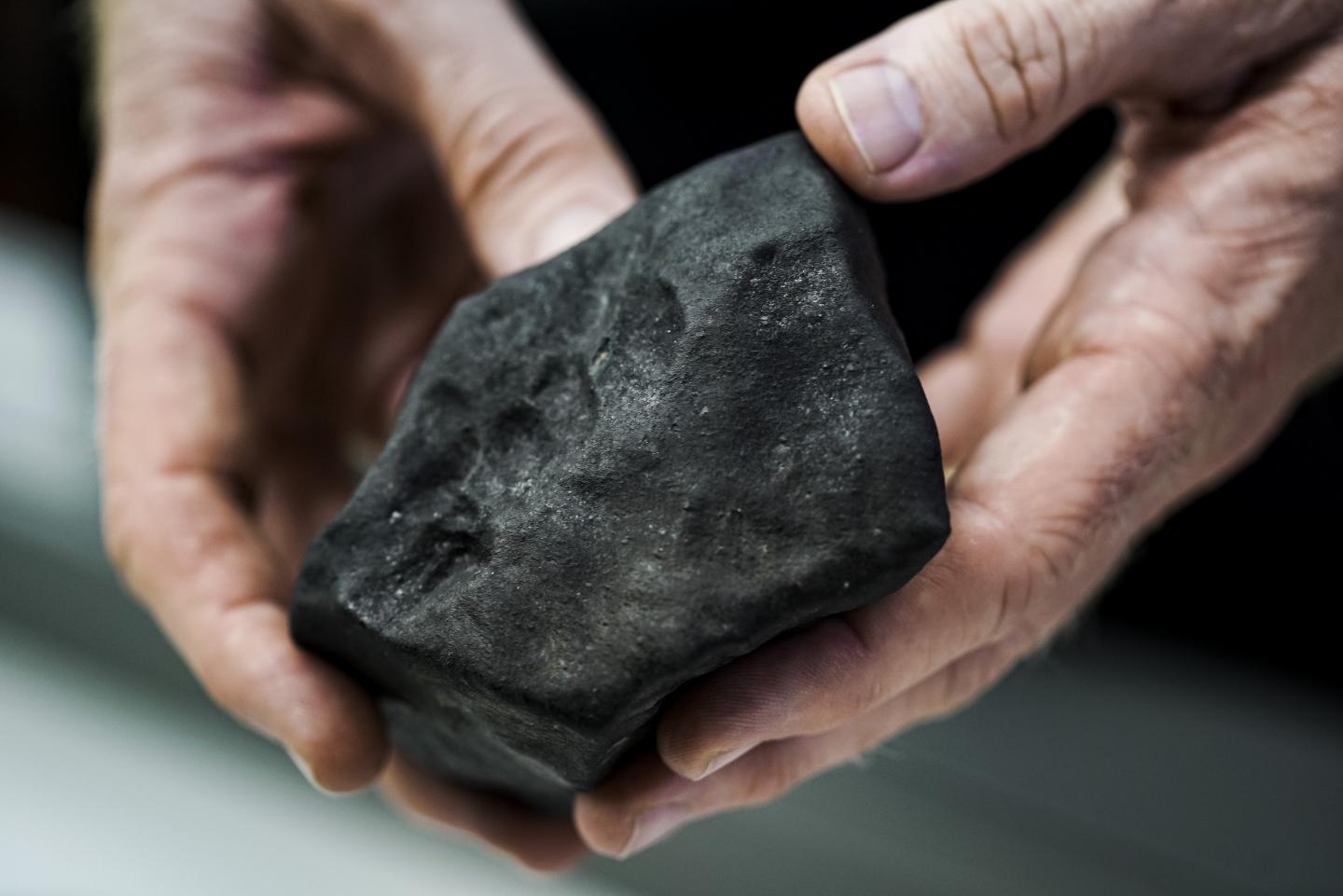
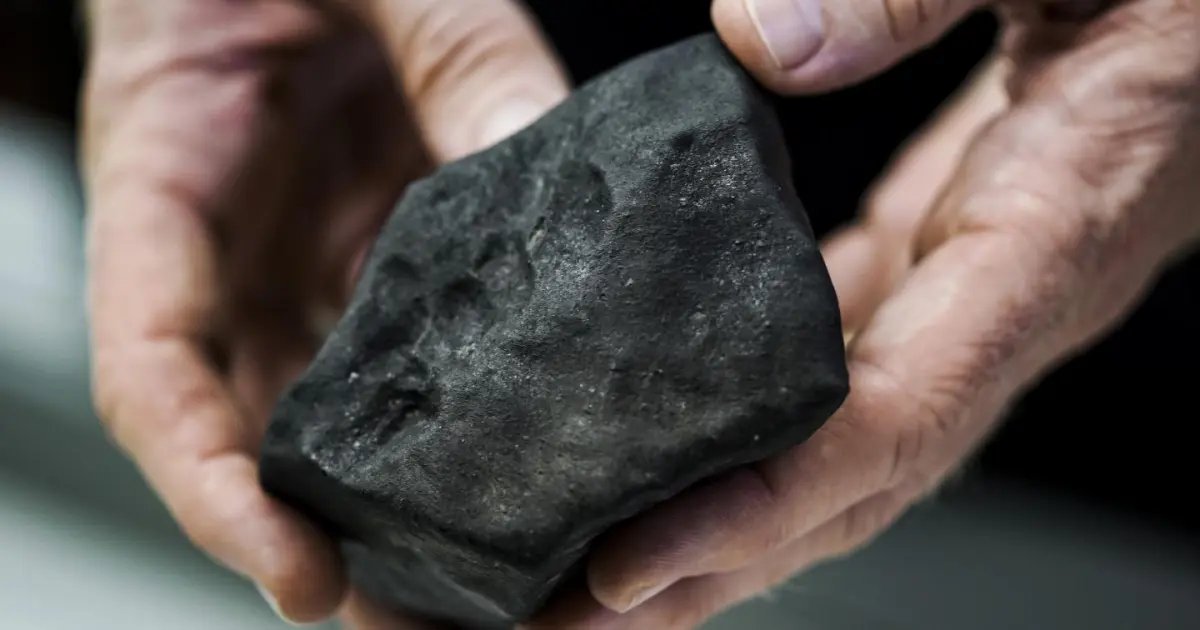
A meteorite that landed in Madagascar in July 2018 shows the depressions (called regmaglypts) and the black fusion crust characteristic of such objects. Credit: Wits University
How and where are rocks tested to see if they’re meteorites? Can a member of the public get one tested?
Kenneth Templeton
North Augusta, South Carolina
Numerous people collect rocks and suspect they’re meteorites, either because they look odd or because they believe they have seen a “fall” and have recovered an object. But it’s virtually impossible to determine whether a meteorite is genuine on your own, or by visual inspection.
That said, some attributes are common among meteorites and rare among terrestrial rocks: Meteorites are usually quite heavy for their size, containing metallic iron and dense minerals. All are magnetic, although stone meteorites are only slightly so. They often have irregular shapes and thumbprint-shaped pits on their surfaces called regmaglypts. And they often show thin black fusion crusts on their surfaces, produced as they heated up while passing through Earth’s atmosphere. Meteorites do not have light-colored crystals or bubbles, and they will not leave a streak when scratched against an unglazed ceramic surface.
Testing a rock to see if it’s a meteorite consists of examining the constituents that make up the sample, which are different than those found in terrestrial rocks. More than 99 percent of the rocks suspected of being meteorites by the public are “meteorwrongs” — i.e., Earth rocks. Academic departments are busy doing science and do not verify meteorites as a service, but some commercial companies do provide testing to authenticate meteorites for a nominal charge. A web search will provide a list.
David J. Eicher
Editor Emeritus