How Many Outlets Can You Put On A 20 Amp Circuit?
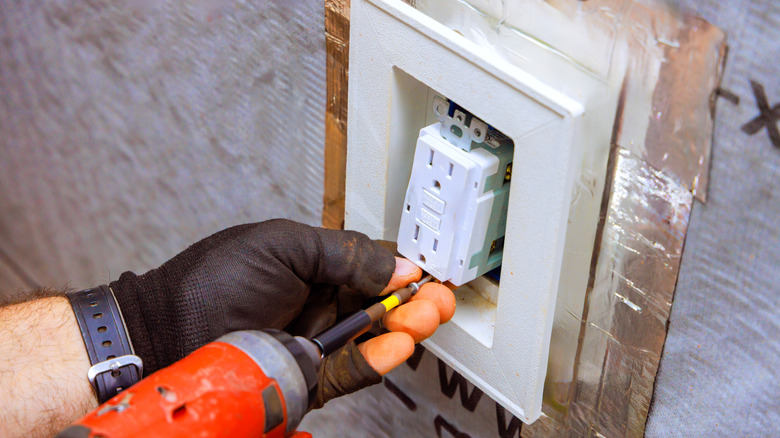
There are some electrical mistakes you don’t want to make in your home and if you’re unfamiliar with how circuits work, it’s helpful to know the basics. For example, a 20-amp circuit can typically handle around 10 standard outlets, though there isn’t a specific number that automatically causes the circuit to become unsafe. The real concern is the devices that will be plugged into those outlets and how much power they will actually use.
Everyday devices like computers, TVs, gaming consoles, smartphone chargers, fans, and other small electronics typically don’t place a heavy demand on a 20-amp circuit. This is especially true when they’re used individually, as they draw a relatively small amount of power overall. But when multiple high-power devices like coffee makers, hair dryers, microwaves, and toasters are used at the same time, problems could potentially occur. That’s because fewer of these items can safely operate on the same circuit, whether they’re plugged into the same outlet or different outlets on that circuit.
Some appliances require their own 20-amp circuit, which means the circuit isn’t shared with other household outlets. That’s because they draw considerably more power or operate for longer periods of time. This can include appliances like dishwashers, garbage disposals, washing machines, large window air conditioners, and portable heaters, among others. This is why the specific amount of electricity required for connected devices is just as important as the number of outlets a circuit can handle.
Inside circuit limits and outlet ratings
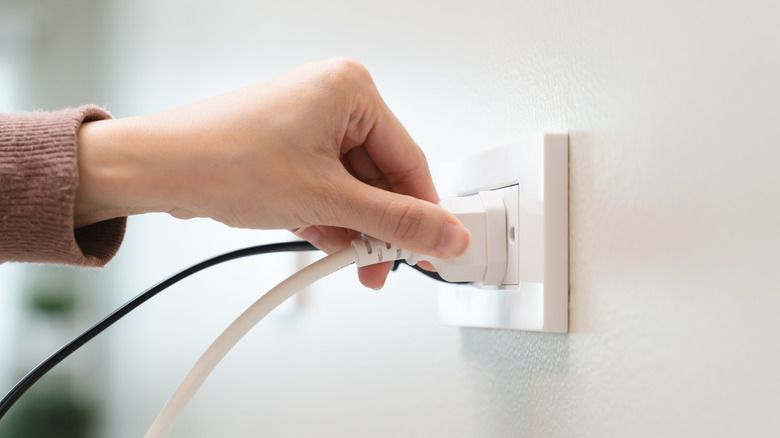
If too many outlets are put on a circuit, it can lead to some serious problems. It could be something as annoying as tripped breakers, which must be reset before electrical outlets can work again. You could also notice that something is off about your affected appliances or devices, which may not perform as they normally do. But things can get much worse, as too many outlets or high-power items can put stress on the electrical wiring and possibly cause a fire.
A circuit’s amp rating helps determine just how much electrical demand it can safely support. For example, a circuit rated at 20 amps is designed to carry that specific number, but using full capacity continuously is not recommended. This is why it’s good to follow the 80% rule for circuit breakers when a device or combination of devices will run over extended periods of time. That means keeping longer-lasting loads around 16 amps on a 20-amp circuit.
It also helps to know that outlets installed on a 20-amp circuit do not necessarily need to match that amp number. For example, 15-amp outlets can be put on a 20-amp circuit as long as the circuit itself is properly wired and meets all electrical requirements. The difference is that the circuit rating refers to the amount of current the circuit can safely carry, while the actual outlet rating represents the type of outlet being used.