How to Rate E-Basketball Players in NBA 2K26
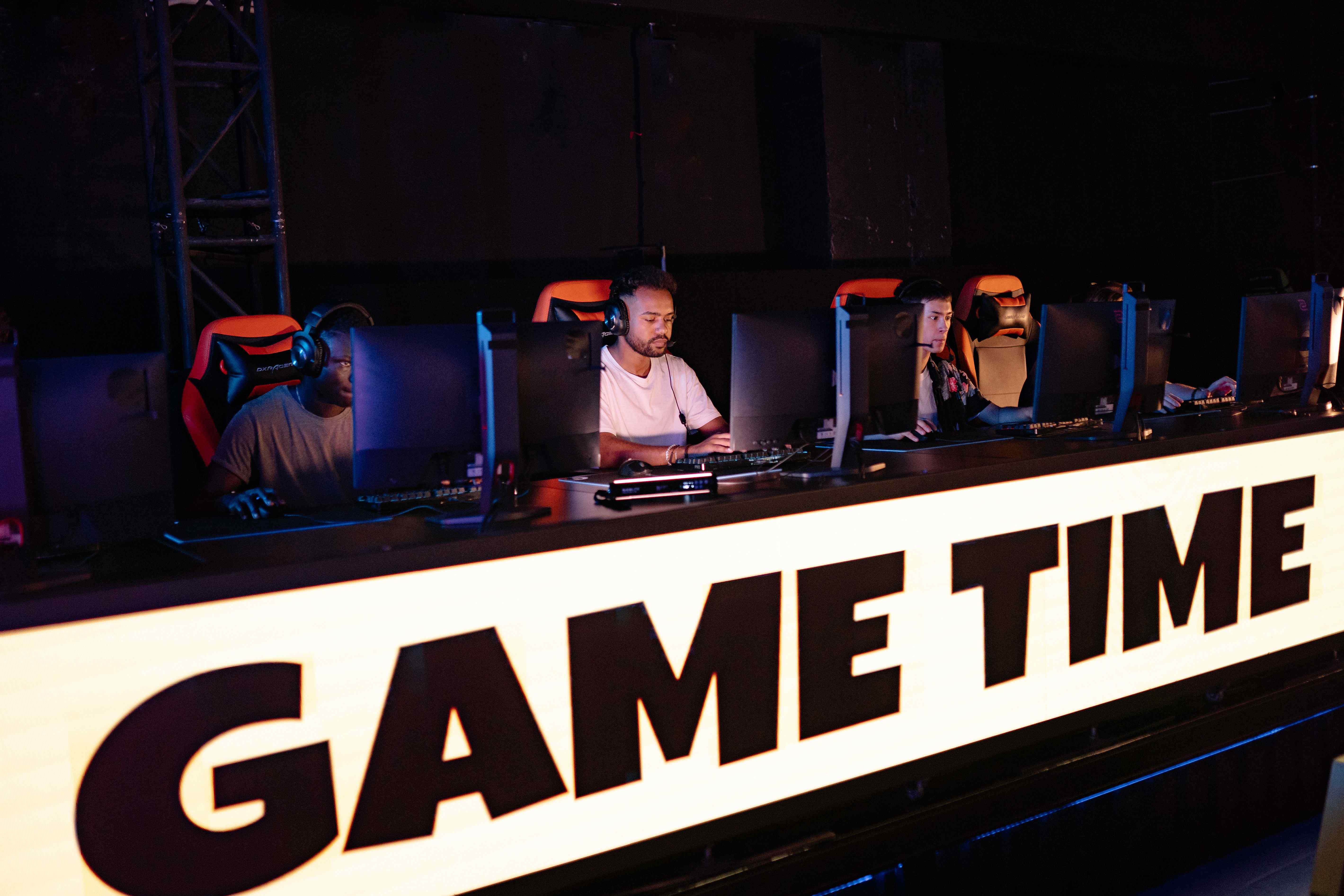
NBA 2K26 was the most downloaded PS5 game in the US/Canada in 2025, so rating e-basketball players is not a niche side conversation for PlayStation fans.
Here, e-basketball means competitive basketball played through games such as NBA 2K, rather than a direct rating of real-world NBA performance. Points matter, but a proper rating also needs role, timing, spacing, defense, format, and repeatable decision-making.
Real Player Ratings Give A Useful Starting Point
NBA 2K26’s official ratings show why there is no single type of elite player. Nikola Jokić and Shai Gilgeous-Alexander both sit at 98 OVR, but they get there in different ways. Jokić represents passing, control, and tempo. Shai is more about shot creation and late-clock calm. Giannis Antetokounmpo at 97 OVR brings physical pressure and two-way impact, while Luka Dončić, Anthony Edwards, Stephen Curry, LeBron James, and Victor Wembanyama all point to different rating profiles.
When Ratings Move Beyond The Game
Player ratings do not only live inside matches. They also shape wider conversations around form, matchups, consistency and how competitive sports simulations are discussed outside the game itself. That is where the context needs to stay clear.
For readers who follow the betting-adjacent side of sports simulations, the gambling sites listed on Covers.com are compared by banking and payout speed, security, bonuses, customer support, user experience and odds. Covers is relevant here as a source on how betting platforms are evaluated, rather than as a source for judging e-basketball skill. That distinction matters. Rating a player is about timing, defence, spacing and decision-making. Rating a platform is about trust, payments and usability.
Rate The Role Before The Stat Line
A primary scorer, point guard, lock, stretch big, and center need different checklists. A scorer needs efficient shot creation. A guard needs tempo control and passing. A lock is judged by defensive pressure. A big may do most of their best work through screens, rebounds, rim protection, and keeping spacing clean.
That is why stat lines can mislead. The rating should start with the job the player is supposed to do. It should also account for whether a player keeps doing that job when the easy options disappear. A guard who controls two quarters but panics under pressure is not the same as one who keeps the offense organized late.
Shot Timing Is The First Skill Check
Shot timing remains the most obvious skill test. NBA 2K26’s Gameplay Courtside Report says ProPLAY expands on Gen 9 platforms with dynamic motion and enhanced Rhythm Shooting.
A strong e-basketball scorer knows when to shoot, when to pass out, and when movement has created enough space. Curry is the obvious example because his value is rhythm, off-ball movement, and fast decision-making. That focus on timing and movement fits with NBA 2K26 coming to PS5 and PS4, where ProPLAY features were tied to dribbles and fast-paced movement.
Spacing Shows Basketball IQ
Spacing is easy to miss when watching casually. It does not always show up in a clip, but it decides whether a possession has room to breathe.
Good e-basketball players know where to stand, when to cut, and how to punish help defense. Luka and LeBron are useful examples because their value often comes from reading the floor before the obvious pass appears. In team play, that spacing can matter as much as the final shot.
Defence Needs Its Own Score
A rating system that only rewards offense will always be incomplete. On-ball pressure matters, but so do switches, rotations, contest timing, and knowing when not to reach. A player who gambles for steals every possession can create highlights, but they can also break the team’s shape.
Wembanyama and Giannis show how defensive value can come from length, recovery, rim pressure, and covering mistakes. In e-basketball, the best defenders also understand patience. They do not bite on every move, drag teammates out of position, or give up open corners because they are chasing one steal.
Clutch Play Is Decision-Making
Clutch play is not only hitting the final shot. In e-basketball, it is often the quiet decision before the highlight: using the clock properly, taking the safer pass, avoiding a rushed three, or attacking the weaker matchup.
Shai is a good example of controlled scoring under pressure. Jokić is the reminder that a clutch possession can end with someone else taking the shot. Rating late-game play should reward calm decisions, not just dramatic finishes. It should also penalize needless risks, because one bad pass with eight seconds left can undo three clean possessions before it.
Format Changes The Rating
A player can look different in 1v1, 3v3, and 5v5. A solo scorer may dominate a smaller format but struggle in a full team structure. A quieter defender or passer may look ordinary in clips but become far more valuable in organized 5v5.
That matters because e-basketball is not one fixed test. The format changes what value looks like. In 1v1, shot creation and isolation defense carry more weight. In 5v5, communication, spacing discipline, and knowing when not to force the ball can be just as important.
The Best Rating Is About Repeatable Impact
The best e-basketball players take clean shots, keep spacing tidy, defend without gambling, and stay calm when the game slows down. A highlight can show talent. A proper rating should show what a player can repeat.