Humanoid Robots and AI: Australia faces a new Technological Era
Artificial intelligence is rapidly transforming industries, economies, and everyday life, forcing governments worldwide to consider how the technology should be regulated.
Australia has recently taken steps toward developing a national AI strategy, while global technology leaders are calling for stronger oversight of advanced AI systems before they are released to the public.
Executives from major AI companies, including Google DeepMind, OpenAI, Microsoft, and Anthropic, have supported the idea of independent testing for powerful AI models before deployment. Their concerns have grown as Chinese AI companies have produced competitive, lower-cost systems that challenge the dominance of US and European technology firms. The rapid progress has increased pressure on governments to establish safety standards and regulatory frameworks.
Australia’s approach focuses on a coordinated, government-wide strategy covering areas such as AI safety, national security, employment, copyright, research, and the infrastructure required for expanding data centres. Policymakers argue that AI could significantly improve productivity and living standards, but they also acknowledge risks such as job disruption and misuse of powerful technologies.
Experts have warned that AI may represent one of the biggest technological shifts in human history. Historian Yuval Noah Harari has argued that AI is beginning to influence systems of communication, decision-making, and even human relationships. The rise of AI companions, particularly in China, has already raised ethical questions about emotional dependence, privacy, and the relationship between humans and machines.
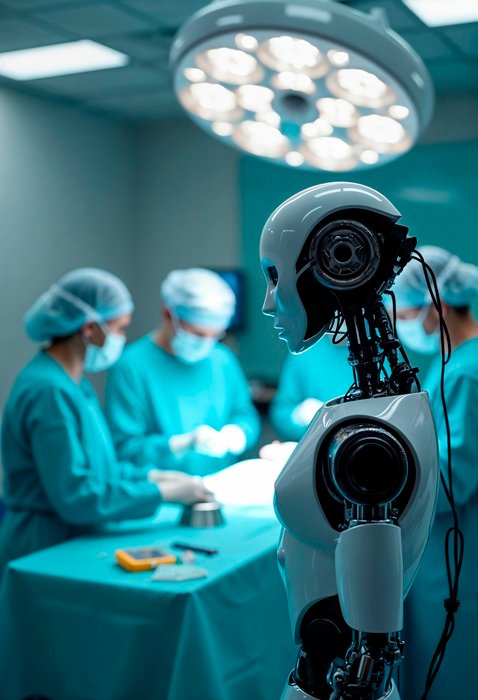
Humanoid robots represent another major development. Australian company Andromeda is introducing AI-powered robots for aged care, designed to provide companionship and reduce social isolation. However, China currently leads the global humanoid robotics industry, producing robots for manufacturing, hospitality, retail, and other sectors.
As these machines become more affordable and widespread, governments will face difficult questions about safety, ethics, and the boundaries between human interaction and artificial intelligence. The AI revolution promises significant benefits, but it also requires careful regulation to ensure that technology develops in a way that supports society rather than creates new risks.