Hyundai wants to be an AI company, not just a carmaker
South Korea’s largest carmaker is leveraging its manufacturing scale, Boston Dynamics and partnerships with Nvidia and Waymo to move beyond cars
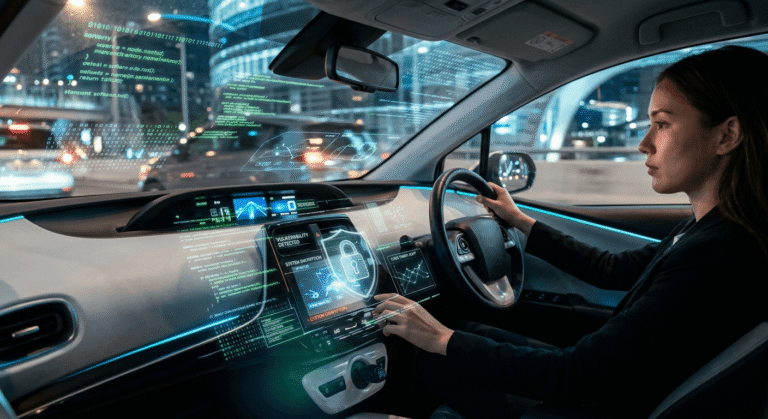
Hyundai Motor Group is setting its sights well beyond car manufacturing. The world’s third largest automaker by volume is seeking to transform itself into a physical artificial intelligence company spanning autonomous cars, robots, intelligent factories and urban infrastructure.
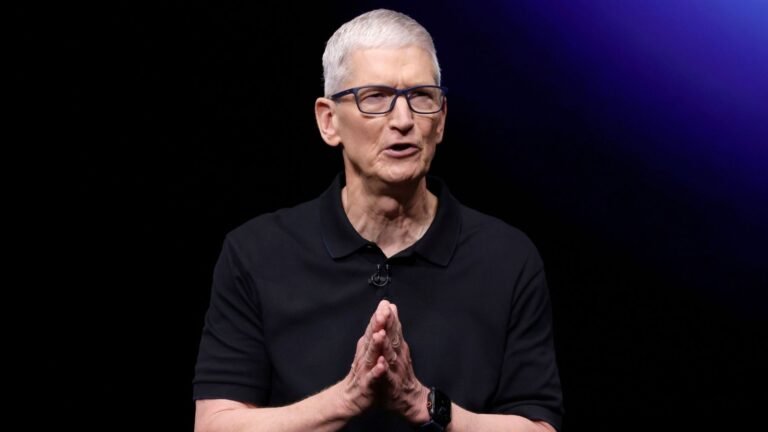
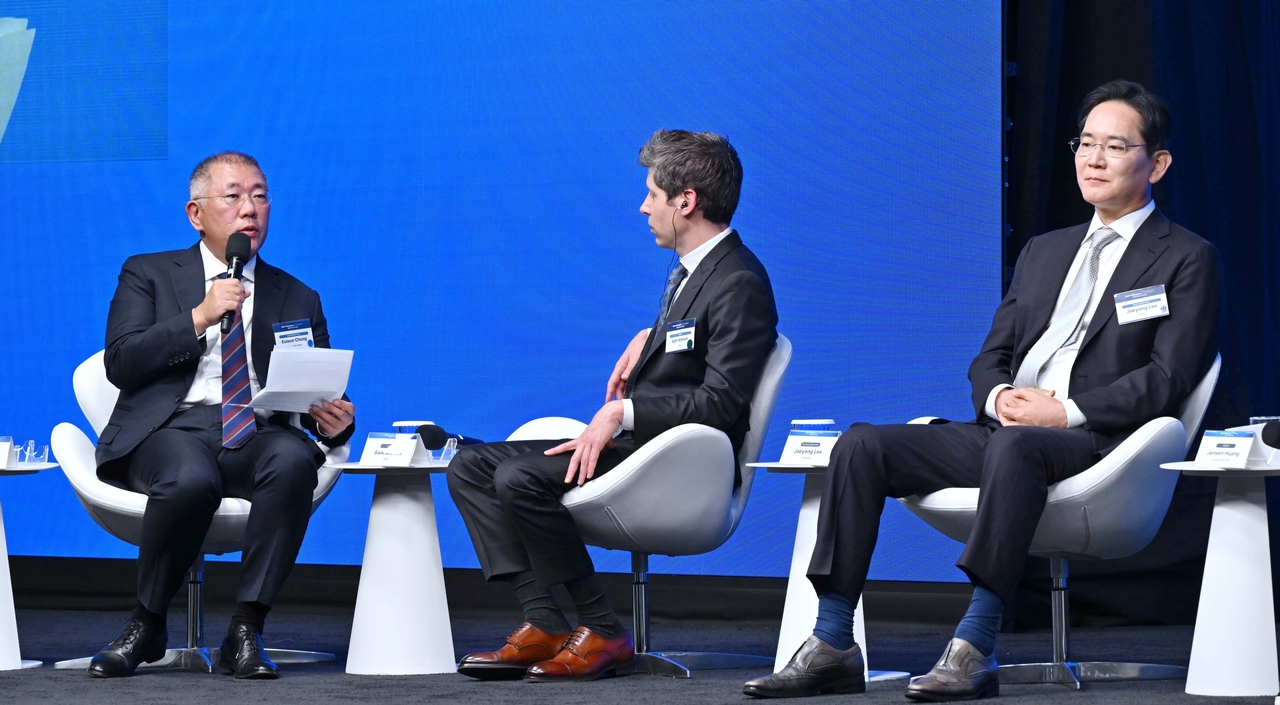
“Hyundai Motor Group is evolving beyond the traditional boundaries of automotive manufacturing by expanding into autonomous driving, robotics and AI-defined factories, accelerating our transformation into a physical AI solutions company,” Hyundai Motor Group Executive Chair Chung Euisun said at the San Francisco AI Summit on July 24, as the automaker unveiled its AI strategy.
This strategy represents Hyundai’s boldest effort yet to reinvent itself as the automotive sector grapples with a broader transition toward software-defined vehicles, autonomous mobility and intelligent machines. It also mirrors a wider push among traditional industrial companies deploying generative AI across factories, supply chains and real-world devices.
Hyundai’s vision: From cars to city-level intelligence
Physical AI refers to AI embedded in machines and physical systems such as cars and robots rather than operating solely within software or digital environments.
Hyundai’s strategy starts with intelligent devices such as autonomous vehicles and robots. It then expands to AI-defined factories connecting production, logistics and quality control, according to Chung.
The final stage would link mobility, energy, robotics and other infrastructure across entire cities, ultimately achieving what Hyundai describes as “city-level intelligence.”
This vision puts Hyundai in competition not just with traditional automakers like Toyota Motor Corp and Volkswagen, but also with technology companies vying to control the computing platforms, AI models and operating systems that power autonomous machines.
Hyundai argues that its global factories, supply-chain expertise and ability to mass-produce complex products give it an advantage over software companies seeking to enter physical industries.
The group, which includes Hyundai, Kia and Genesis, produces millions of vehicles and operates manufacturing facilities around the world. Decades of manufacturing, quality control and supply chain experience give Hyundai a strong foundation to apply AI across its operations, while validating and scaling innovations quickly in the real world.
Hyundai owns Boston Dynamics, the US robotics company behind the Atlas humanoid robot, Spot quadruped and Stretch logistics robot. The group also operates its own robotics laboratory, which has developed platforms including the MobED mobile robot.
Combined, these assets could power what Hyundai calls a “data flywheel.” Data gathered from factories, vehicles and robots can be used to improve AI models, with updated software then redeployed into real-world operations to generate more data.
“Hyundai is well positioned to succeed in physical AI because it is not limiting itself to competition in electric vehicles,” said Kim Pil-soo, a professor of automotive engineering at Daelim University College. “Markets such as robot mobility, humanoid robots and urban air mobility are only beginning to emerge and offer substantial room for growth.”
“Even if Hyundai might be behind the leading players in some technology, it has a chance because it can leverage its manufacturing expertise, broad mobility portfolio and push into software-defined vehicles to differentiate itself from rivals,” he said.
Hyundai can also use its own factories as testing grounds for robots and AI systems before offering them to customers.
The group is backing the strategy with a planned 9 trillion won ($6.24 billion) AI, robotics and energy hub in Saemangeum, a reclaimed coastal area in southwestern Korea, including a data center expected to handle about 50,000 graphics processing units.
“By combining Hyundai Motor Group’s strengths in manufacturing, robotics and data with the capabilities of global technology leaders, we can help create a new innovation ecosystem for the physical AI era,” said Chung.
Big tech partnerships — and risks
Hyundai is not pursuing this strategy alone. Partnerships with major technology players are central to its effort, with US AI giant Nvidia playing a critical role in the plan.
Hyundai has agreed to secure 50,000 of Nvidia’s Blackwell graphics processing units and is working with the US chipmaker to establish a Hyundai Motor Group Robot Application Center, as well as NVIDIA’s AI Technology Center in Korea.
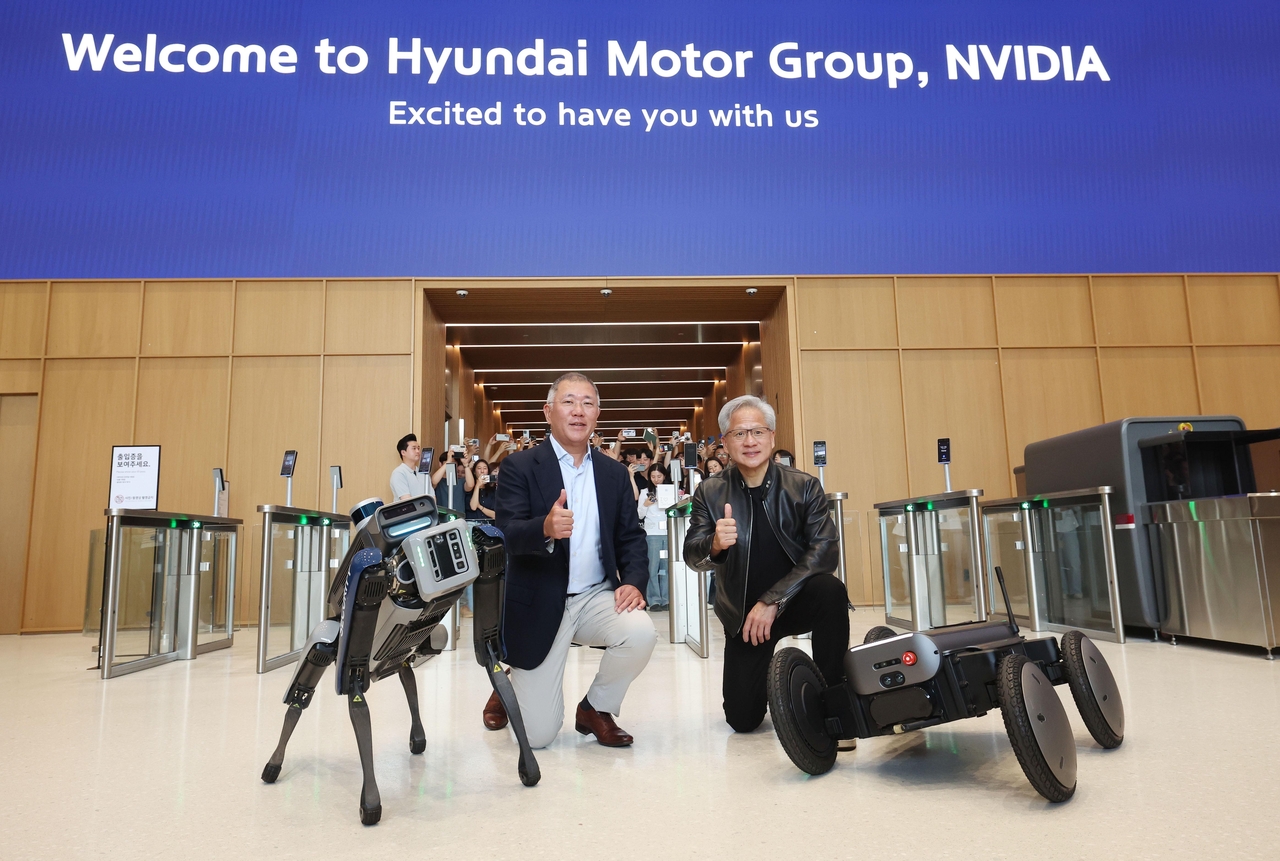
Hyundai plans to use Nvidia’s platform to build more sophisticated digital twins of its production facilities, improving process design, operational optimization and validation efficiency. The companies are also integrating Nvidia’s autonomous-driving solutions, including automotive semiconductors, sensors and computing architecture, with Hyundai’s vehicle platforms.
Another key partner is Waymo, Alphabet Inc.’s autonomous driving unit, with which Hyundai is expanding cooperation.
The group plans to produce Ioniq 5 electric vehicles for Waymo robotaxis at Hyundai Motor Group Metaplant America in Georgia, which will roll out on US streets.
The partnership could provide a model for an autonomous-vehicle foundry business in which Hyundai manufactures car designs around the software and sensor systems of tech companies. Technology companies could provide autonomous-driving software and service platforms, while automakers manufacture vehicles tailored to their specifications.
Waymo also recently opened a Korea unit, in a move that is expected to strengthen its partnerships with Hyundai and other domestic partners.
Partnerships with technology companies are crucial to Hyundai’s autonomous-driving ambitions, but Kim warned such cooperation also carries strategic risks.
“Hyundai has to work with Nvidia, Waymo and other tech companies if it wants to accelerate its software and AI capabilities,” said Kim. “But it must make sure that the partnership does not deepen its dependence on their platforms.”
The risk is that Hyundai could become a supplier of physical hardware while US technology companies control AI chips, operating platforms, autonomous-driving algorithms and customer data.
“If an automaker only supplies the hardware while another company controls the software, algorithms and communications platform, it could ultimately be reduced to the role of a subcontractor,” he said.
To avoid that outcome, Hyundai will need to build its own software and AI capabilities, even while continuing to work with global technology partners.
The people driving Hyundai’s AI push
Hyundai’s recent wave of senior hires from global technology companies reflects its push to build those capabilities in-house.
Former Nvidia Vice President Park Min-woo joined the company in January as the head of the group’s Advanced Vehicle Platform Division, leading the group’s push into software-defined vehicles and autonomous driving. He concurrently serves as CEO of 42dot, Hyundai’s software research arm.
Just last Friday, Hyundai appointed Kwon Jung-hyun, a former Samsung Electronics executive who previously worked at Nvidia, to head its Autonomous Driving Development Center, under the AVP division. Reporting to Park, Kwon will draw on his expertise in autonomous vehicle perception software, deep learning and machine learning to oversee autonomous-driving technology from development through commercialization.
The group has also hired Kim Dong-wuk, formerly of Apple and Tesla, to lead SDV platform development, and Jeremy Ma, whose experience spans Apple, Toyota Research Institute and Nvidia, to head AVP Silicon Valley.
The appointments underscore Hyundai’s push to build its own software, robotics and AI capabilities while cutting its dependence on outside technology platforms. Those in-house capabilities will also prove essential as Hyundai works to commercialize Boston Dynamics robots across its manufacturing network.
Boston Dynamics at the center
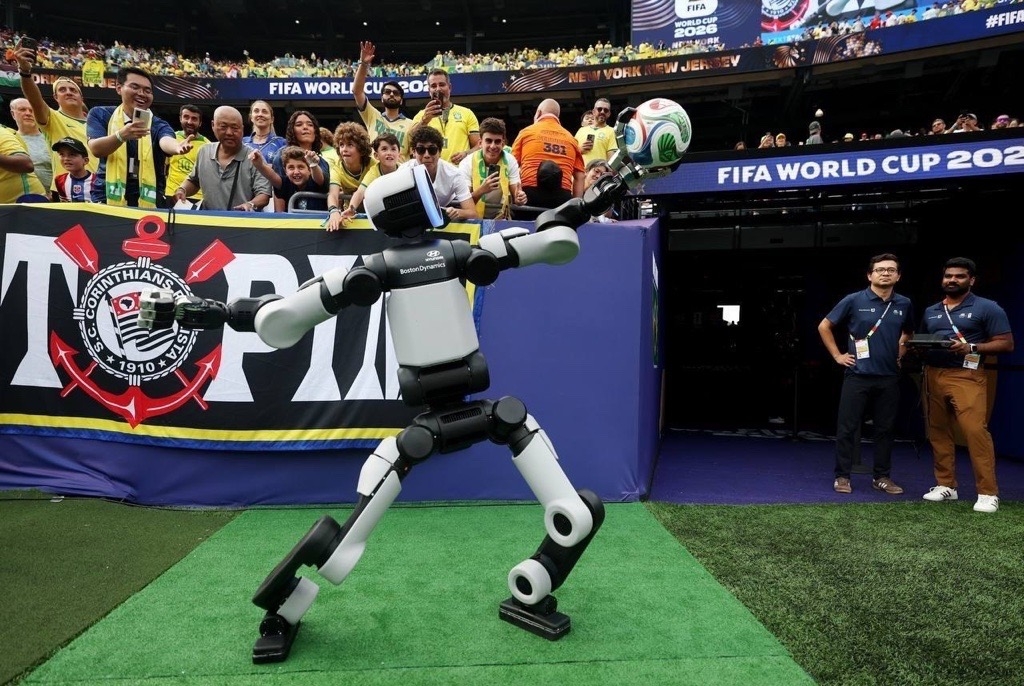
Boston Dynamics is a central part of Hyundai’s physical AI vision, as its humanoid robot will be key to transforming car factories into smart, automated operations.
The company teamed up with Google DeepMind, which aims to merge its robotics hardware and control systems with advanced AI models. This will help robots perform more complex tasks and respond to changing environments.
Hyundai plans to deploy Boston Dynamic’s Atlas humanoid robot at the Hyundai Motor Group Metaplant America in Georgia 2028, and expand into other facilities later on. The group aims to establish an annual US production capacity of 30,000 robots by 2028.
The move reflects a wider trend of manufacturers turning their factories into testing grounds for robots — deploying them in live operations, gathering performance data and refining the technology before scaling up or offering them to outside customers.
Hyundai has a distinct edge here, with the ability to test Boston Dynamics’ robots across its worldwide manufacturing network. Observers say automotive plants could become one of the first commercially viable markets for humanoid robots, since they offer relatively structured settings along with repetitive, physically demanding or potentially hazardous work.
sahn@heraldcorp.com