Hyundai Workers Escalate Strike Seeking Protection From $130,000 Humanoid Robots
Hyundai plant workers are planning to intensify their strike over concerns that cost-effective humanoid robots could eventually threaten their jobs.
The protest is not just about higher wages or Hyundai’s introduction of robots at its Ulsan plant in South Korea, where many U.S.-bound vehicles are built.
Instead, the union, which represents 39,668 workers, is concerned that increased automation will reduce working hours. Because employees are paid by the hour, that could also reduce their income.
While the strike is expected to put pressure on the supply chain, a vehicle shortage is not currently anticipated. However, it remains to be seen whether sustained reductions in workers’ hours could eventually affect vehicle production and supply.
Thousands of Hyundai Workers Walk Out Early
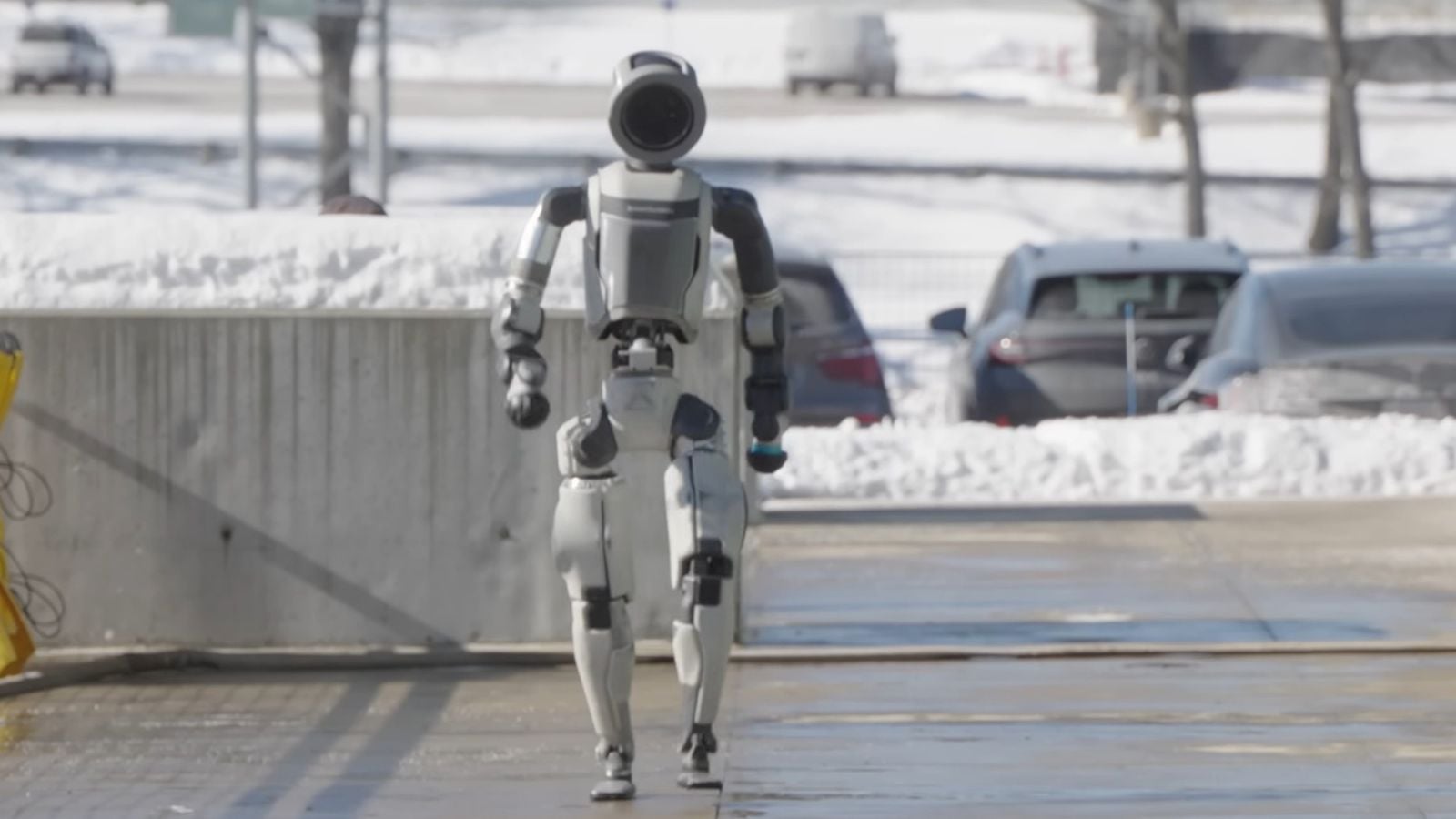
Image Credit: Boston Dynamics / YoutTube
According to a report by TopSpeed, the workers at Hyundai’s Ulsan production complex began ending their shifts early on July 13. From July 20, however, the union escalated the action by launching a four-hour strike.
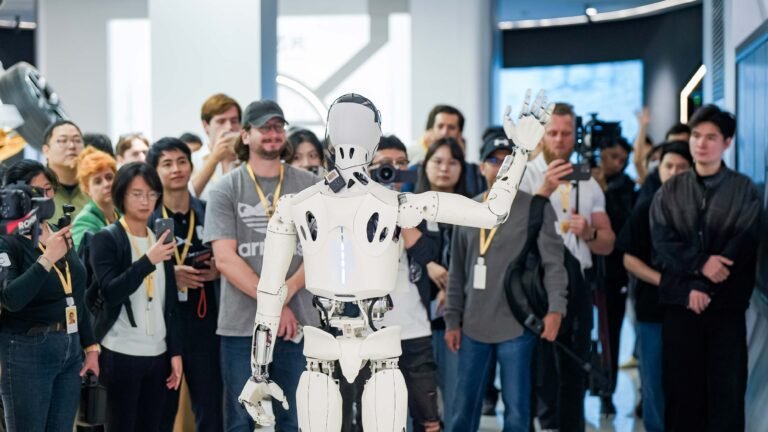
The move came after 15 rounds of negotiations failed to produce an agreement. It also coincides with reports that Hyundai plans to deploy more than 25,000 Atlas humanoid robots across Hyundai and Kia factories. The robots are built by Boston Dynamics, a company Hyundai is in the process of acquiring.
Standing over six feet tall and capable of lifting more than 100 pounds, the Atlas robot is expected to debut at Hyundai’s Metaplant America factory in Georgia in 2028 before being introduced at other facilities.
Hyundai builds many vehicles for the U.S. market at its Ulsan complex, including the Tucson, Santa Fe, Sonata, and Ioniq models. While the company has not said which vehicles could be affected by the strike, production could eventually decline if reduced working hours continue.
What Do the Workers Say?
Much of the union’s concern centers on how affordable the Atlas robot could become in the future, rather than its current capabilities. Each unit costs an estimated $130,000, and a Samsung Securities analyst believes it could recover that cost in about two years.
If robots eventually become cheaper to operate than employing human workers, companies could have a strong financial incentive to automate more jobs. As a result, the union’s demands go beyond higher wages.
Workers want a fixed salary instead of hourly pay so their income is not reduced if automation leads to shorter shifts. They are also seeking larger bonuses and an increase in the retirement age from 60 to 65 to provide greater financial security as robots become more common in the workplace.
Will It Affect the Supply of Hyundai Vehicles?
Previous strikes at Hyundai have generally caused only minor disruptions, but this one is different because it centers on concerns over automation rather than just wages.
A prolonged strike could eventually reduce output at the Ulsan plant, although no immediate impact on vehicle availability is expected.
As more automakers invest in humanoid robots and factory automation, similar labor disputes could become increasingly common across the industry.