“I do hope that in the eyes of our players, Cyberpunk 2077 has earned its place, and I look at it now with pride and gratitude” – Associate Game Director Paweł Sasko on Cyberpunk 2077’s launch, Edgerunners, quest design, music, and more
Earlier this week, the first of two Cyberpunk 2077 interviews I was working on went live. It focused on the last year of new platform launches for the game, working with Nintendo, PS5 Pro support, the macOS release, and more with Senior Release Manager Artur Kepen. Today’s interview is with Associate Game Director Paweł Sasko where we discuss the original 2020 launch and how he felt on the team, memorable quests in The Witcher 3 and Cyberpunk 2077, balancing design and pacing across quests in long RPGs, the soundtracks, collaborations, the possibility of releasing more atmospheric music, Cyberpunk: Edgerunners, Wuthering Waves, whether the team considered an Edgerunners-focused DLC, and more.
Advertisement. Keep scrolling for more
Paweł Sasko:
Currently I work across our two biggest projects, The Witcher 4 and Cyberpunk 2, supporting game directors on forming and communicating game vision, reviewing the narrative, mentoring teams, and collaborating with producers and other directors on achieving our artistic objectives. I’ve been with CD Projekt Red for over 15 years now. I started during The Witcher 2: Assassins of Kings, worked on The Witcher 3 as Senior Quest Designer, and later as a Lead on both of its expansions.I became Quest Director during production of Cyberpunk 2077 and in Phantom Liberty took over the Open World and Cinematic departments too. I specialize in forming the vision for the narrative, scripting tools, and mentoring designers. And my goal has been unchanged since I joined Red: I want to elevate video games to respected and mature entertainment, by consistently delivering one of the strongest emotional narratives ever seen, across any medium.
Paweł Sasko:
It’s impossible for me to answer that in a simple way, because Cyberpunk 2077 has been one of the most impactful creative and personal journeys of my life. Before launch, there was a lot of pride, a lot of pressure, and a lot of effort. We knew the game was incredibly ambitious; we knew Night City was something special. Internally, you could feel that there were characters, quests, places, and ideas in that game that had real power. At the same time, it was a massive project, and when you are that close to something for so many years, you are carrying hope, fear, and responsibility all at once. The launch period was very painful; I do not want to pretend otherwise.When you work on a game for years, you do not see it only as a product. You see the people behind it. You remember the meetings, the arguments, the breakthroughs, the hard work, encountered and untangled technical issues, the small details that someone cared about deeply… So when players were hurt, disappointed, or angry, that was not abstract for us. We had to listen. We had to look at the game through the player’s experience, not only through our intention.
Now, I feel proud because as a team we have refused to give up, and today I carry all my scars with pride; those became a part of who we are. It is the pride of seeing players give us another chance, sometimes after being very understandably angry. It is the pride of seeing Cyberpunk 2077, Phantom Liberty, Update 2.0, and all further patches reach people in a much stronger state. I think that makes my relationship with the game very emotional.
Paweł Sasko:
You can sometimes feel that a quest is compelling and captivating, but you can never fully predict what players will take into their hearts. Bloody Baron stayed with people, because it is messy, uncomfortable, sad, human, and morally complicated. It touches topics most video games in a AAA space never dared to talk about. That is often where the best CD Projekt Red quests live. We are not trying to present players with clean morality, and this resonates with our audience a lot. They can feel when a character is written only to serve a function. A good character has contradictions, weaknesses, secrets. And a good quest has friction.A well designed story does not immediately telegraph to you how to feel. It leaves you wondering, uncertain, asking questions. With Cyberpunk 2077, the same principle applies. Sometimes a quest becomes popular because of a major conflicting choice or a memorable set piece, or because of atmosphere, silence, a line of dialogue, in the way music emphasizes emotional beats, or how a character looks at you at the end of a scene. As developers, we build the conditions. We write, design, stage, iterate, cut, rewrite, and polish, but the final meaning belongs to the player. That is why it is always beautiful and humbling when a quest explodes in popularity. It means it stopped being only ours.
Paweł Sasko:
I don’t think many other developers have achieved the kind of quality and pacing as CDPR has with Witcher 3 and 2077. Pacing for us is an invisible rhythm, a pulse of the story, how given beats are delivered. In a large role-playing game, you cannot make every component hit at maximum intensity all the time. If every quest is tragic, the player becomes numb. If every quest is huge, nothing feels huge anymore. So we think a lot about contrast.A player might go from an intimate conversation to an investigation, then to combat, then to driving through the city, then to a strange small encounter that seems almost funny until it reveals something darker. That rhythm matters, and we do everything we can to surprise and delight our players. It takes a lot of practice, but eventually everyone in the team can feel it: when a given moment is dragging way too much, when an impactful and emotionally heavy section becomes overwhelming, or when everything is diluted.
Smaller quests cannot feel disposable either. We never treat side content as filler. A smaller quest can still reveal something meaningful about the world, a faction, a district, a relationship, or the player character themselves. It does not always need to decide the fate of the world; sometimes it only needs to make you understand the world better, which considerably increases immersion. The Witcher 3 had villages, contracts, swamps, family tragedies, folklore, and monsters that were often less monstrous than humans. Cyberpunk 2077 has streets, apartments, fixers, gigs, radio stations, gangs, corps, and little pieces of human life crushed by Night City. Those things create pacing too. The world gives the player room to breathe.
The hardest lesson is knowing when not to add more. Sometimes the strongest thing you can do is let a moment end and trust the player to carry it with them. Developing that confidence in the delivery of a given narrative beat is important for the narrative designers. It’s okay to let chosen sections breathe with enough screen time, and not chase it immediately with the next objective, explosion, or thrill.
Advertisement. Keep scrolling for more
Paweł Sasko:
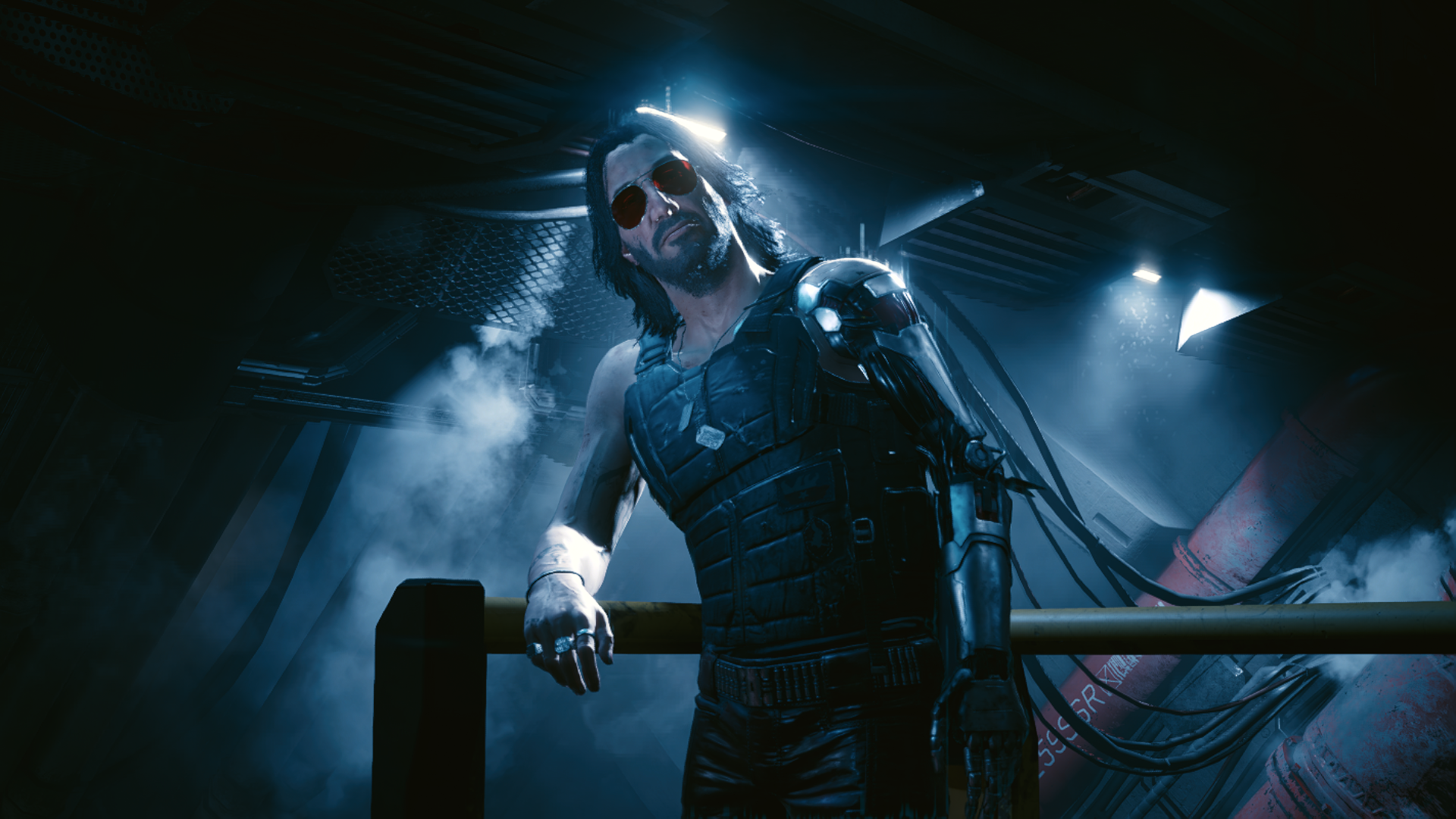
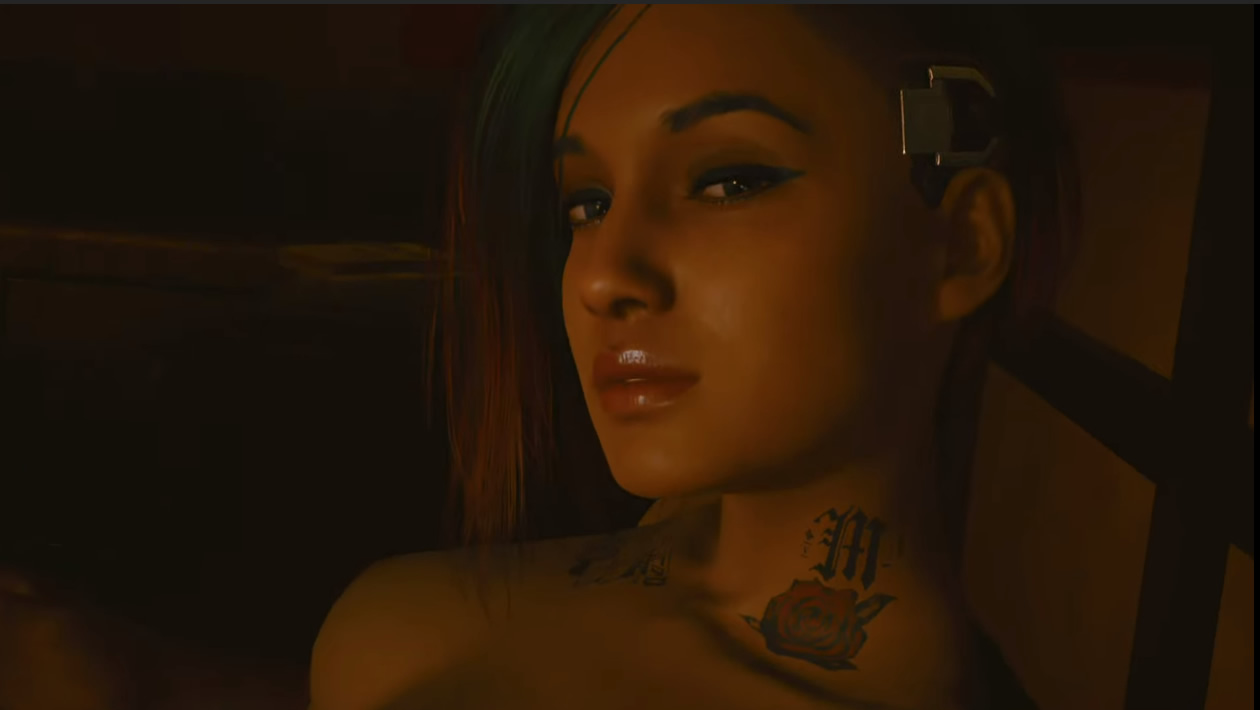
For Cyberpunk 2077, my answer changes depending on the day, but I have a very special place in my heart for Johnny. He is such a difficult character. Charismatic, funny, damaged, selfish, vulnerable, cruel, and sometimes absolutely right and absolutely wrong at the same time. What I love is that the player does not simply meet Johnny. The player has to live with him, and that creates a relationship that is very unusual in games. Keanu Reeves’ performance only adds to the experience.I also have a soft spot for plenty of smaller and episodic characters, from Jackie and Rogue, to Skippy, Brendan, and Ozob. Each of them carries a piece of the world expression, constructed around different principles, to stand out, but also to present the variety of the dystopian world we have built.
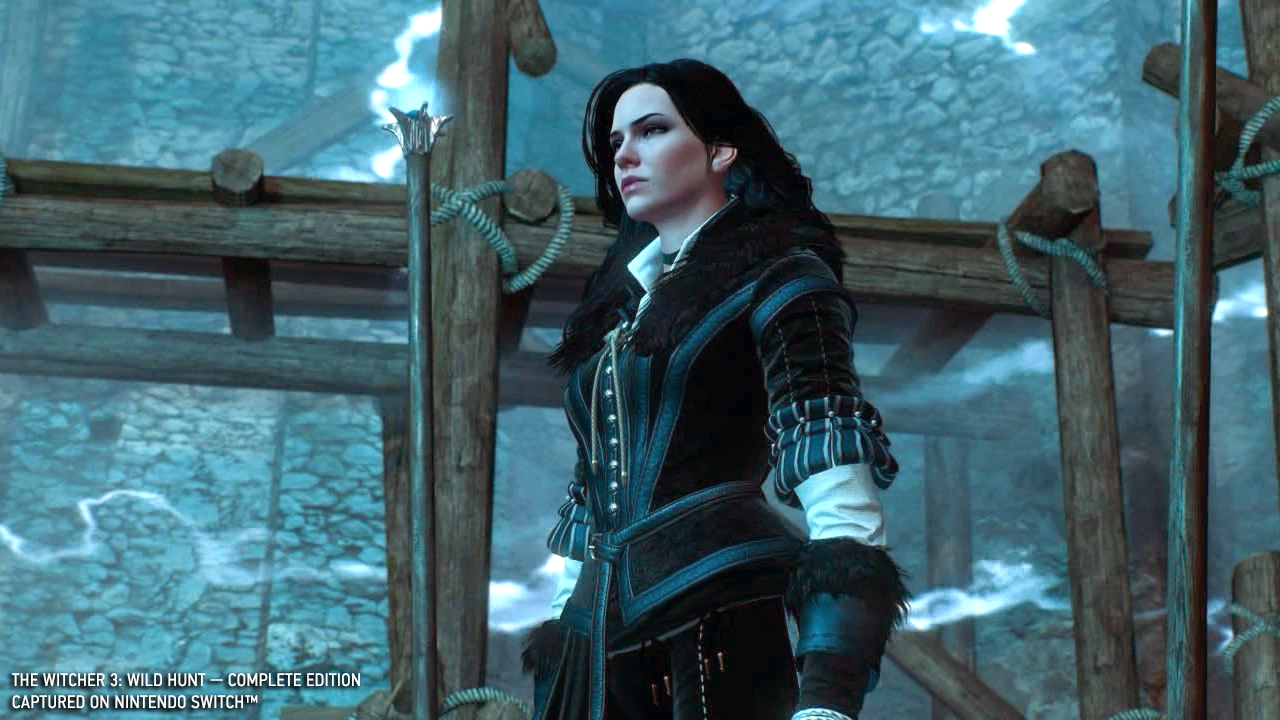
For The Witcher 3, I would probably say Ciri and Yennefer, but for different reasons. Ciri is the emotional center of the story. The whole game is shaped around finding her, but she cannot feel like an object or reward. She has to feel like her own person, with her own anger, humor, fear, and agency. Yennefer is fascinating because she is not written to be easily liked by everyone in every scene. She has sharp edges. She can be difficult. But that is what makes her feel real. She loves fiercely, she is incredibly intelligent, and she does not soften herself just to be more convenient for others.
At CD Projekt Red we believe that characters are our most powerful weapon. At the end of the day, players might not remember crazy complicated plots with twists, but they remember characters. All the fan art, fanfics, and cosplays are created around characters… Characters are the vehicle that delivers the narrative; they appeal the most to human emotionality.
Paweł Sasko:
I don’t lead music work, so I do not want to speak for the whole process or promise anything here. But I completely agree with the emotional point behind the request. Ambient tracks are part of how players remember a world. It’s one of the most important invisible layers in our games. Sometimes the music that stays with you is not the big combat track or the vocal song. Sometimes it is the music you hear while you’re walking through Velen, standing in Kaer Morhen, driving through Night City, or entering an apartment after a very difficult quest.The tricky thing is that music in games is often built differently than music for an album. It can be layered, reactive, looped, triggered by location, mixed for gameplay states, or combined dynamically with other audio. There are also rights, versions, implementation details, and many practical considerations too. But as a player and developer, I love that people want this material preserved. It means the world mattered enough that they want to return to it even outside of the game.
Paweł Sasko:
Personally I do love the music in Cyberpunk 2077 and listen to it constantly, when working, reading, gaming, or chilling. I was not in the team personally selecting every artist — that was Krzysiek Ostrowski, P.T. Adamczyk, Marcin Przybylowicz, and others in our Audio and Music teams. They did an incredible job. The process of defining the music styles and then carefully selecting the artists is complex and long, and involves a lot of creative, legal, production, and business development teams.From the perspective of game direction and world building, the radio stations are absolutely essential to Night City. A city is not only architecture. It is not only streets, lights, crowds, and cars. A city has taste. It has noise. It has fashion. It has propaganda. It has bad songs, great songs, underground scenes, commercial hits, political anger, nostalgia, rebellion, and people trying to sell you something every three seconds. Essentially, music is one of the many tools of storytelling for us; it’s the unique expression of the world and people living in Night City. That was the role of the radio in Cyberpunk 2077. It had to make the city feel culturally alive.
The music could not feel like a playlist from our world simply dropped into the game. It had to feel like these songs belonged to people living there. Artists like Health fit so naturally because their sound has this mixture of beauty, violence, sadness, and pressure. That is very Cyberpunk. Jason Charles Miller brings a different texture, and that is also important, because Night City cannot have only one sound. The radio stations help tell you what kind of world you are in without stopping the game to explain it. That is why I think they matter so much.
Paweł Sasko:
In our line of work, you can hope something will connect, but you can never fully predict it. A song in a game is not experienced in isolation. It is connected to where the player is, what they just did, what they are about to do, whether they are driving, fighting, or just sitting with a feeling after a quest has concluded. That context changes everything. It emotionally charges the song with memories, experiences, and pictures of characters and scenes. Cyberpunk 2077 has many songs that players remember not only because the tracks are strong, but because of the moment around them.A song might hit you while you are driving through the city at night. It might become tied to a character. It might become tied to a combat encounter. It might become tied to grief. I Really Want To Stay At Your House is probably the clearest example. It existed inside Cyberpunk 2077, but Cyberpunk: Edgerunners gave it another emotional life. After that, many players did not hear it only as a song anymore. They heard a memory. That is one of the most beautiful things about music in games. You can place it carefully, but the moment when it becomes personal belongs to the player.
As a creator you can increase the probability of success with the music by carefully choosing the style, defining what fits and what does not, and then step by step deliberately executing the plan. And then, when songs land, it’s up to us to use them in the most powerful and suitable way. Even then they do not always hit the way we would imagine, but if you repeat this process enough, eventually the probability of success is high enough, and some songs will have remarkable impact.
Paweł Sasko:
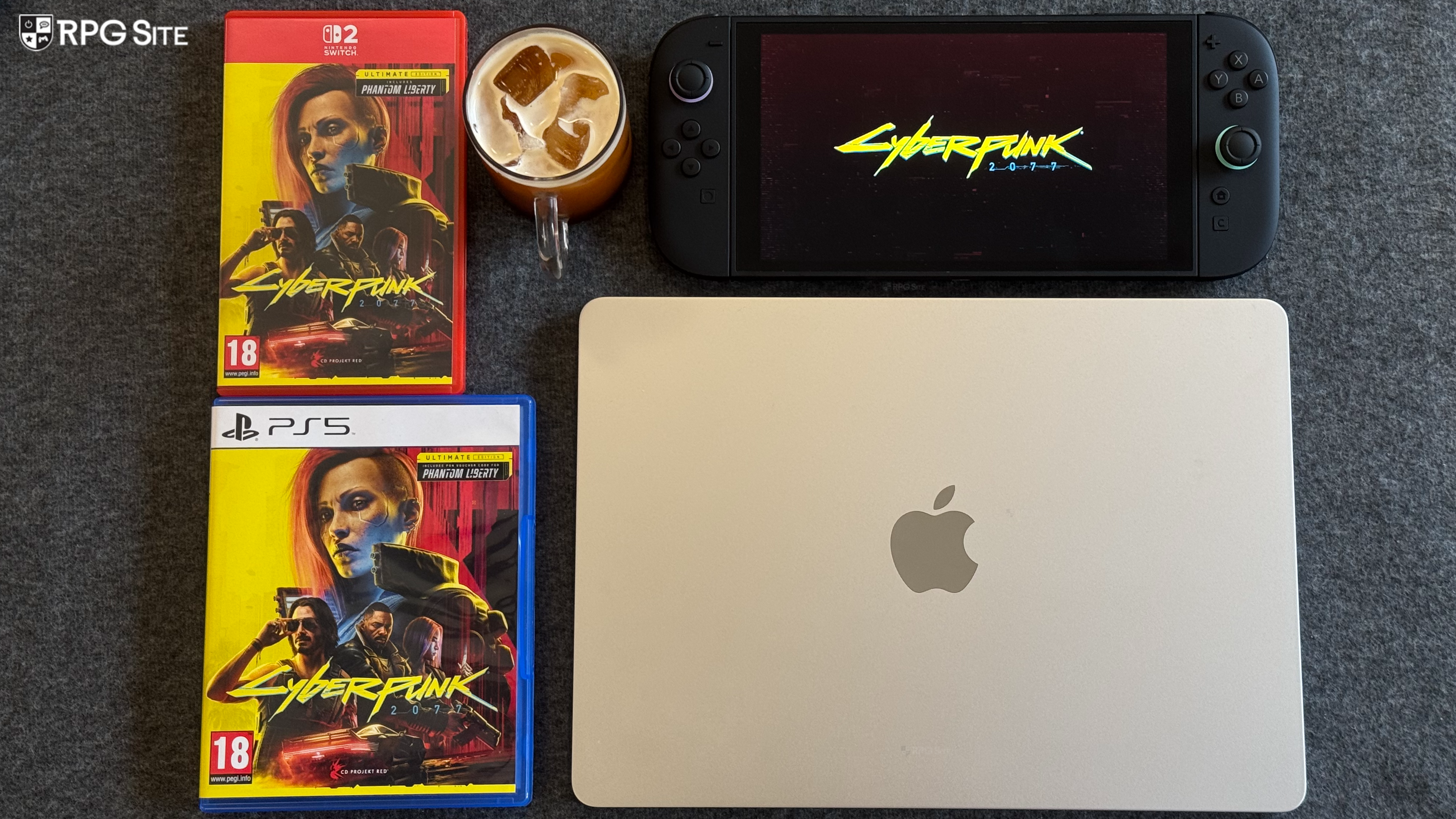
Cyberpunk 2077 and REDengine that powers it were, from the get go, planned to be highly scalable, multithreaded, relatively flexible, and fairly easy to optimize. We didn’t aim to create a benchmark, but rather to create the most compelling and visually appealing version of the game for each platform, to give as much value to our players as possible. That being said, Night City is naturally a brutal test for hardware. It is dense, vertical, full of light, reflections, traffic, crowds, interiors, combat, weather, and tiny visual details. And it all works with no loading screens, utilizing tons of different streaming tricks behind the scenes (like prefetching data) to make it load seamlessly and never take the player out of the experience.Over time Cyberpunk 2077 has become a game people use to test new technology, because in post-release support we have poured a considerable amount of effort to always support bleeding-edge solutions. Plenty of new upscalers, plus ray tracing and path tracing functionalities, helped the game to always stay relevant and beautiful. At launch, the technical conversation around Cyberpunk was very difficult. Years later, seeing it become a showcase for high end PCs, consoles, handhelds, Switch 2, Mac, and PS5 Pro is something I take pride in.
Advertisement. Keep scrolling for more
Paweł Sasko:
I was not the person leading that collaboration directly, so I do not want to overclaim or take credit for work handled by my colleagues — Ted Li, Kacper Ullmann, Milena Zając, Ben Low, Aleksandra Grześkiewicz, Patrick Mills, Dawid Kowal, Matthew Woodland, and Bartosz Sztybor, to name a few — and the amazing people at our partners. But generally, with collaborations like this, the most important thing is respect for the IP and finding the right partner who has the same objectives, goals, and expectations, and is willing to go the extra mile to execute it well. Ideally, you want the partner studio to have enough freedom to make something that works inside their game. At the same time, you need to protect the essence of the characters, the world, and the emotional tone.Cyberpunk: Edgerunners works well for collaborations because it has an incredibly strong emotional identity. Lucy and Rebecca are not just recognizable designs, but they carry memories for players: grief, love, chaos, and attachment. So when another game brings them in, the question is not if they look and behave correctly, but also what these characters mean, what values they carry, and what they are about. This is why Edgerunners has become such a strong bridge. It is connected to Cyberpunk 2077, but it also has its own voice, its own pain, and its own place in the hearts of fans.
The Wuthering Waves collaboration launched with Lucy and Rebecca as 5 Star Resonators, with Rebecca available to claim for free, which shows how seriously Kuro approached the emotional appeal of those characters. And the reaction of the community has been truly remarkable. I have never seen so much love and attention. Players were watching Edgerunners, playing Cyberpunk 2077, speculating, meming, and posting artworks, and social media during the collab period was on fire. Mad respect for Kuro Games and what they achieved.
Paweł Sasko:
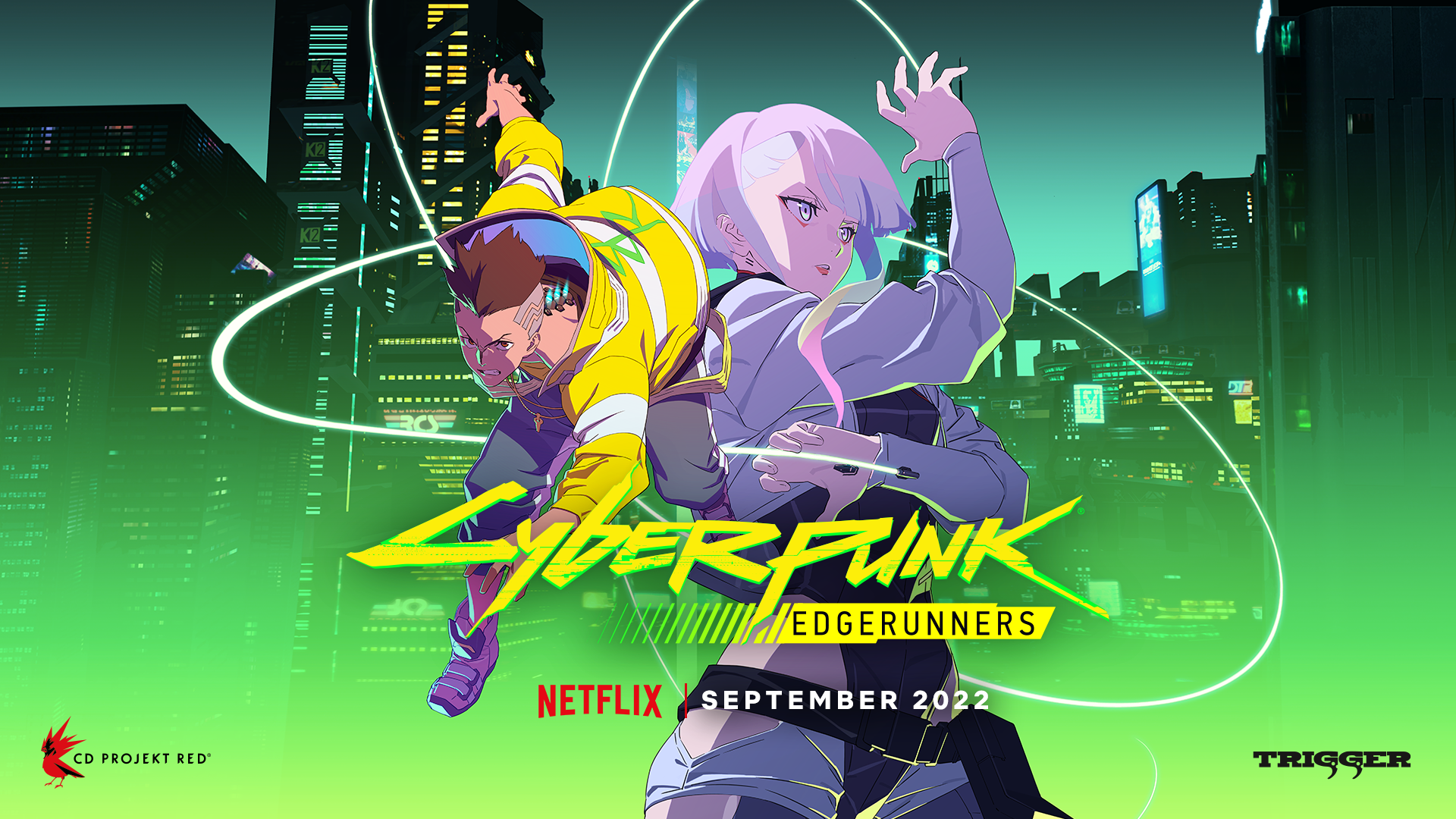
I completely understand why players want that. When Edgerunners released, the emotional reaction was enormous. When players love something that much, the natural instinct is to ask for more. Part of the power of Edgerunners is that it is complete. It burns brightly, it hurts you, and then it stays with you. If you extend that too directly, you risk weakening the thing that made it powerful.For Cyberpunk 2077, V’s story also has its own gravity. Phantom Liberty worked because it added a new story that still belonged to V, while also opening another side of Night City through Dogtown — espionage, loyalty, betrayal, and survival. For Edgerunners, I think the healthier approach was to let the anime and the game echo each other without forcing them to become the same thing. Night City is bigger than one protagonist. It is bigger than V, bigger than David, bigger than any one legend. That is the strength of the Cyberpunk universe. Different stories can exist side by side and make the whole world feel larger.
Paweł Sasko:
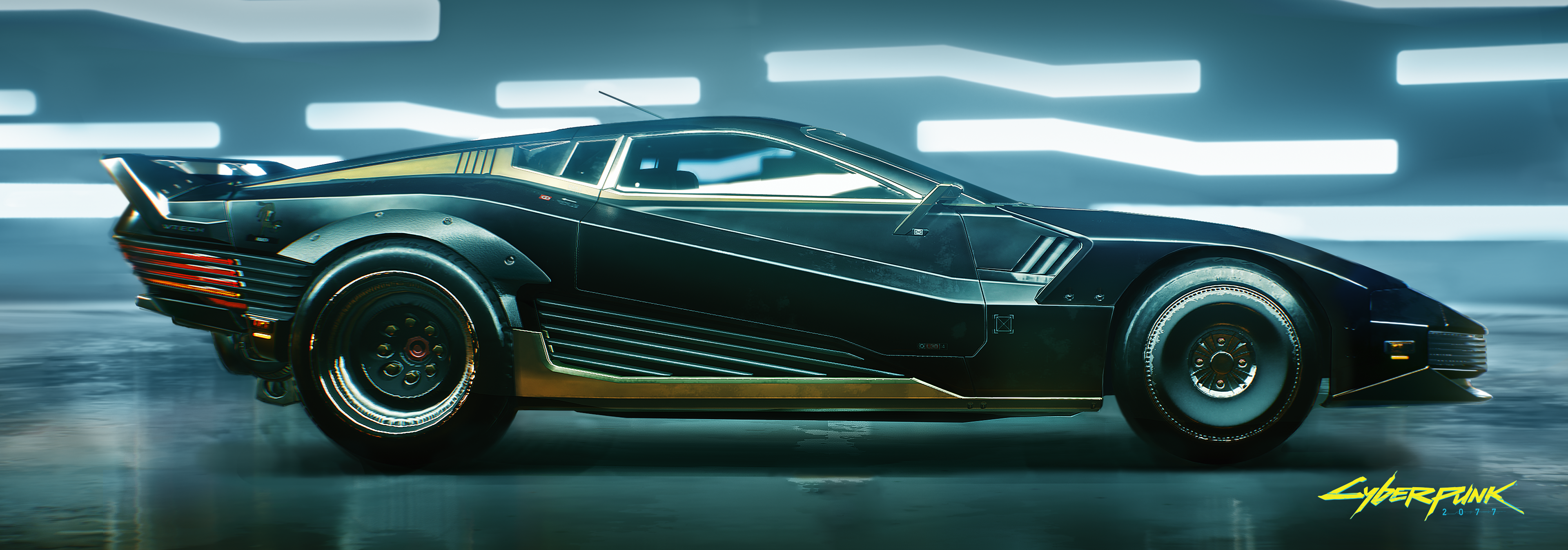
Game development is full of these moments where something sounds like a problem at first. We do not have enough time. This animation is too expensive. This technical detail is complicated. A good example is Meredith Stout. There is a version of her fate where you can later find her body underwater, with concrete shoes and no hair. Because modelling it and animating it was way too expensive! It sounds minor until you actually have to do it properly. So, instead of treating the limitation only as a problem, it became part of the character’s fate and the visual storytelling. Her shaved head and the way her body is presented became more brutal, more specific, and more Cyberpunk.Another anecdote concerns vehicles. In the early stages of development we didn’t have functional cars, but those are quite instrumental in the nomad storyline. So one of our designers added to Panam’s entity components of the car, and she was running around, carrying a huge maquette of the Quadra, looking like a character from The Flintstones. It worked well enough as a draft of the sequence with the nomads, so soon after all characters from the Aldecados had pieces of their cars attached to them. That is very CD Projekt Red to me. We take the work seriously, but there is also a lot of joy in the absurdity. Huge games are made from thousands of tiny decisions, and sometimes the tiny ones are the funniest to remember.
Paweł Sasko:
Realistically, I don’t think I will ever be able to say I’m fully satisfied. Developers are famously terrible at saying something is really finished. You always see one more thing, one more idea that could have been interesting. Cyberpunk 2077 today is not only the game that launched in 2020; it is also the 30+ patches, Phantom Liberty, Update 2.0 through to Update 2.31, all the new platforms, and a hell of a lot of optimizations and improvements. A very meaningful moment for me was The Game Awards 2023, when Cyberpunk 2077 received Best Ongoing Game and I was there with Game Director Gabe Amatangelo to accept it.That moment was not to pretend the launch did not happen, but to thank the hundreds of developers who put their hearts into the game and the players who stayed with us, came back, or joined us later. Would I like to do more in the Cyberpunk universe? Absolutely. I do hope that in the eyes of our players, Cyberpunk 2077 has earned its place, and I look at it now with pride and gratitude.