I love the Galaxy Z Fold 8, but it’s destined to be the next Galaxy Note Edge
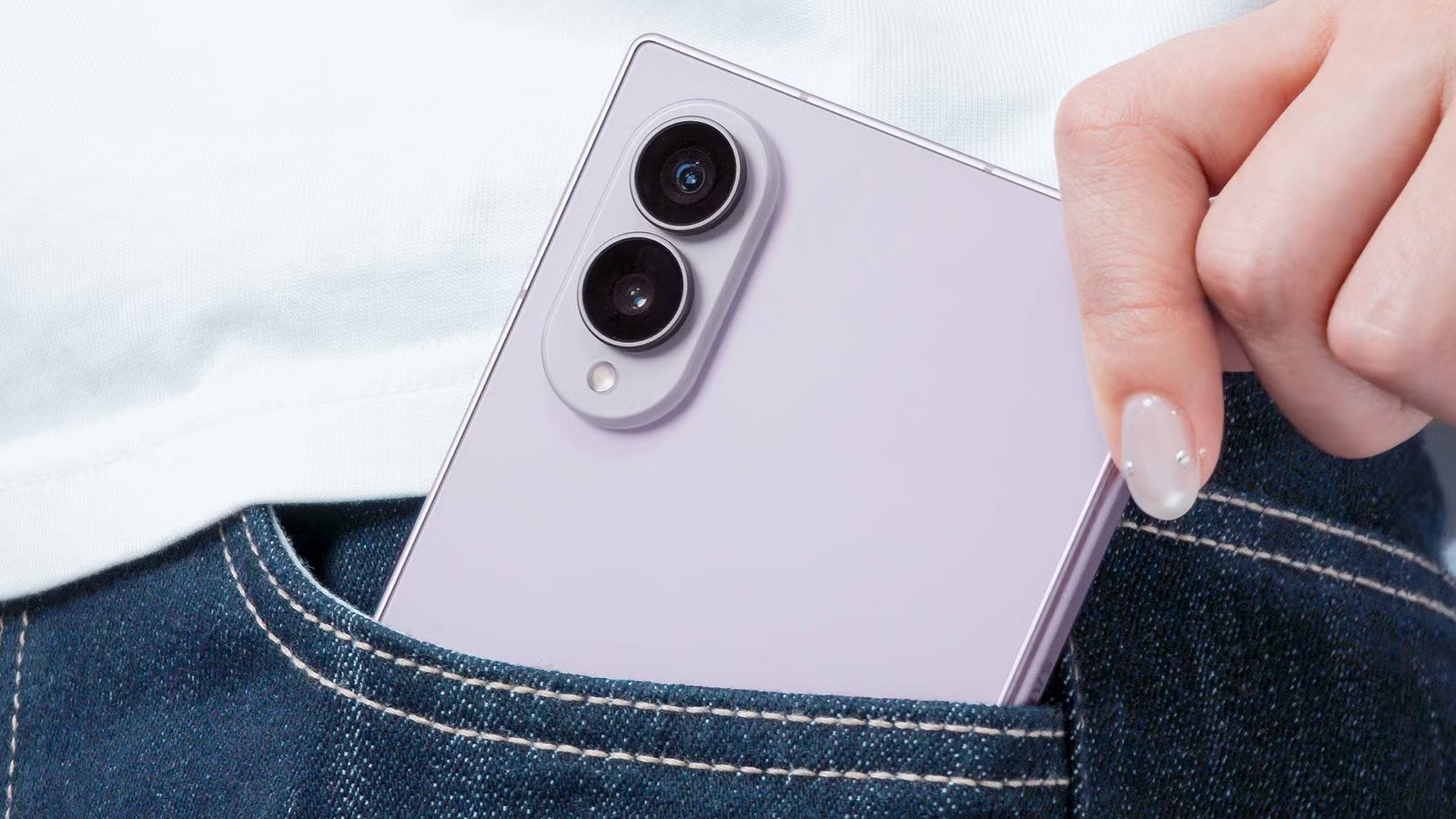
I love the Galaxy Z Fold 8, I really do. The wide form factor makes it a true pocket tablet while reviving the glory days of phablets. It’ll be fast, likely last longer on battery than the Z Fold 7, and take quality (if zoom-free) photos. I’ll be ecstatic if it fares well, in part because the mobile space is in desperate need of excitement.
But it’s not going to be the revolution Samsung wants it to be. Certain decisions around price and design will keep it from becoming an instant hit. And it’s very likely the first foldable iPhone will overshadow everything, no matter how excellent Samsung’s hardware is in practice. The Z Fold 8 could easily become the next Galaxy Note Edge: that is, the pioneering phone that still falls short of mainstream success.

- Display
-
Dynamic AMOLED 2X
- RAM
-
12GB
The Galaxy Z Fold 8 is too expensive right now
A major investment that few can afford
There’s no getting around it: $1,900 is a lot to ask for any phone. Samsung likely couldn’t avoid this due to soaring memory costs, but the Galaxy Z Fold 8 still makes the S26 Ultra look like a relative bargain. When budgets are tighter than ever, a high price isn’t going to lead to blockbuster sales unless the experience is truly spectacular.
It doesn’t quite reach those heights. There’s one less camera, so it won’t beat a top-tier conventional phone in photography despite a much larger outlay. Moreover, the Z Fold 8 Ultra is ‘only’ $200 more at launch. If you already have around $2,000 to spend on a handset, you might skip straight to the higher-end model — or the competition.
Sales will bring the Z Fold 8’s price down, and I can see the form factor swaying some customers, even if they have the budget for the Ultra. Hitting that stride could nonetheless take months, and that delay could dampen initial enthusiasm. I loved the Galaxy Note Edge, but it was expensive for the era (nearly $950) and quickly ignored once the good-enough $699 Galaxy S6 Edge arrived.
Software isn’t ready for wide foldable phones
Android developers will have to climb aboard

Samsung also has to deal with a longstanding Android problem: app optimization for anything that isn’t a traditionally shaped smartphone.
The Galaxy Z Fold 8 will be ideal for some content out of the box, including uncropped photos, eBooks, and text-heavy social media platforms like X and Threads. But we live in a world where movies and TV shows are frequently 16:9 or wider, and social networks favor tall images. You’re going to see many black bars on the Z Fold 8 at first, even when you’re using phone-friendly apps like TikTok.
Yes, that’s already a problem for some tablets. Google is also encouraging developers to make apps that support many phones, including wide foldables. I expect major app creators to quickly support the Z Fold 8’s 10:16 cover screen and 4:3 folding panel, if they don’t already.
It could take months for these refinements to arrive, and that’s time Samsung doesn’t have.
I’ve also seen this story end badly in the past: a major Android brand introduces an unusual form factor (see LG’s V series or Sony’s tall Xperia phones), but it sees little uptake as developers stick to writing apps for the safer devices. Samsung stands a better chance of succeeding, especially as the wide foldable category expands. As with the Galaxy Note Edge, however, the Z Fold 8 could also suffer from a lack of support for its practical lifespan.
Like it or not, the foldable iPhone is a factor
Apple might outshine Samsung through sheer clout

It’s also hard to escape the likely impact of Apple’s entrance into the folding phone segment. Numerous leaks suggest Apple will release a foldable iPhone (possibly called the iPhone Ultra) this fall, complete with a Galaxy Z Fold 8-style wide ratio. It might even use Samsung’s near-creaseless display technology.
And it won’t matter which device is better. Apple has a reputation for shaking up entire sectors through the sheer gravity of its brand, forcing companies to either pivot or accept runner-up status. Samsung released the Galaxy Gear smartwatch over a year before the Apple Watch, but Apple’s entry garnered much more attention and forced Samsung to rethink its strategy. The Galaxy Note Edge appeared just as Apple made its first big iPhones. Even now, the MacBook Neo is scaring Windows PC vendors who previously dominated budget laptops.
I won’t be surprised if the iPhone Ultra has a similar effect, no matter its price. Apple has cachet that even Samsung doesn’t always match, and might take foldable phones deeper into the mainstream simply by making its own. Moreover, a folding model might keep Android-curious iPhone owners from switching to the Z Fold 8 as they won’t have to give up a familiar ecosystem.
Again, I already love the Galaxy Z Fold 8 and cheer Samsung for beating Apple to stores. Like the Note Edge, though, the Z Fold 8 risks becoming a footnote (if an important one) due to timing. Samsung will have to fight hard to keep its latest phone in the conversation, whether through price cuts or clever marketing.