Industrial automation forecast: 6-9% growth through 2030
Industrial automation is poised for significant growth, with a forecasted annual increase of 6-9% driven by a shift from traditional systems to intelligent platforms. Despite the advancements, current capabilities lag behind the excitement surrounding humanoid robotics at Automate 2026.
Industrial automation is entering its strongest growth window in years. According to Roland Berger, 2026 marks the start of a five-year expansion cycle, with the sector projected to grow between 6% and 9% annually through 2030. The drivers are concrete: factory modernization programs, North American reshoring initiatives, semiconductor manufacturing buildouts, and a broad push toward more flexible production systems, as reported by Engineering.com.
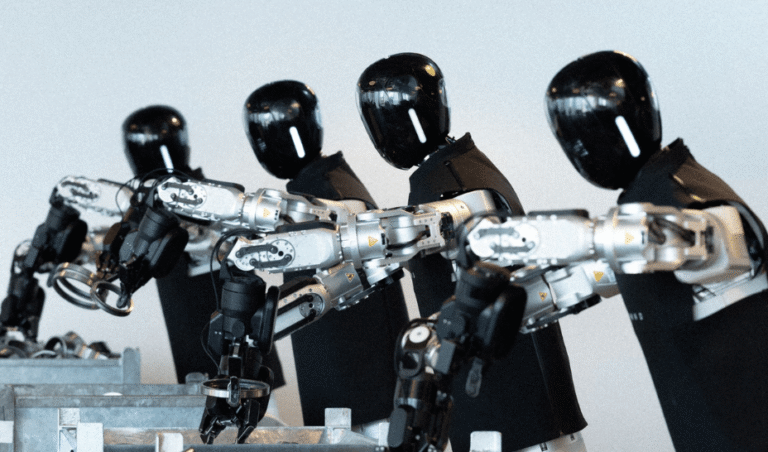
That forecast landed against a vivid backdrop. At Automate 2026 in Chicago, held June 22-25, the trade floor put the full spectrum of the industry on display, from mature industrial arms performing welding and painting to mobile robots sorting and moving goods. The show also featured something newer and considerably flashier.
Humanoid robots draw crowds, but not purchase orders
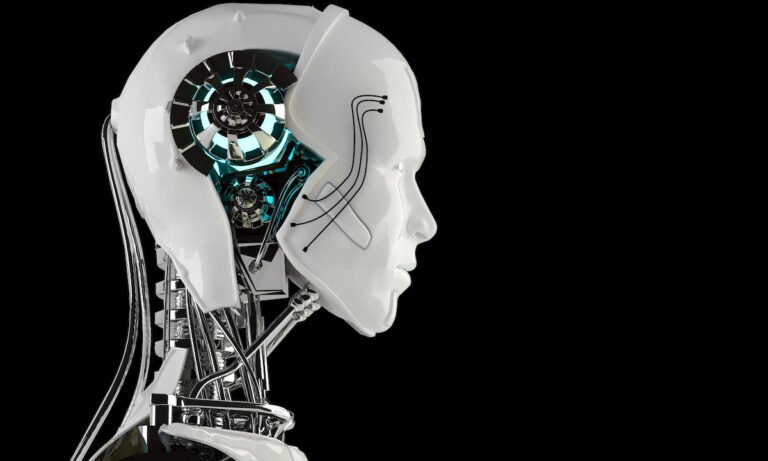
Some of the most heavily trafficked booths at Automate 2026 featured humanoid robots that could interact with attendees, dance, and make coffee. The attention was unmistakable. So was the caution from the people selling automation systems for a living.
Jim Brown, chief commercial officer for Teradyne Robotics, addressed the disconnect directly during an executive panel on the future of automation. According to Manufacturing Dive reporter Nathan Owens, Brown acknowledged the significant buzz around humanoids but questioned whether the excitement was tracking the right problem. The fascination with bipedal form factors, he suggested, was running ahead of a serious analysis of what manufacturing challenges those robots are actually positioned to solve.
The most capital is flowing toward intelligent automation, but the technology capturing the most attention at trade shows is still years away from justifying a line item in a production budget.
The gap matters for procurement and operations leaders evaluating where to commit capital. Humanoids remain constrained by cost, reliability, and scalability, according to the executive panel covered by Manufacturing Dive. Deploying them at production scale requires solving integration challenges that are distinct from the barriers facing conventional industrial arms or autonomous mobile robots, which have well-established vendor ecosystems and proven ROI profiles.
The structural shift beneath the hype
Strip away the humanoid demonstrations and the underlying market dynamics at Automate 2026 pointed to a more durable shift. Manufacturers are moving away from closed, proprietary automation architectures toward standardized, software-driven platforms. Engineering.com reported that this transition is being driven by the need to reduce deployment costs and improve scalability, particularly as companies operate across multiple facilities with varying production requirements.
That shift has direct implications for how automation budgets get allocated. Standardized platforms lower the switching cost between vendors and make it easier to integrate new capabilities, including AI-driven process controls and vision systems, without ripping out existing infrastructure. For operations leaders managing multi-site deployments, this is the more immediately actionable development than anything walking on two legs at a trade show booth.
Reshoring is adding another layer of urgency. As manufacturers bring production back to North America, they are investing in greenfield and brownfield facilities that need to be competitive from day one. That context, combined with the semiconductor manufacturing expansion underway across the U.S., is creating demand for automation equipment that can be deployed quickly and reconfigured as product lines evolve.
Capital spending signals where the market is heading
The Roland Berger projection of 6-9% annual growth through 2030 reflects more than organic demand. Capital is flowing into the sector at a pace that suggests the industry’s own suppliers and integrators expect sustained order volume. Engineering.com noted that investor activity and corporate capital spending are both accelerating, reinforcing the analyst forecast.
For operations and procurement leaders, the five-year growth window creates both opportunity and pressure. Vendors competing for a growing market tend to invest more in product development, which benefits buyers through improved capabilities and, over time, lower prices. But it also means the automation vendor landscape will look different by 2030 than it does today, with consolidation, new entrants, and platform wars likely to reshape supplier relationships.
Humanoid robots will eventually find their production use cases, but the timeline is not 2026 or 2027. The more immediate decision for most manufacturing operations teams is whether their current automation architecture is built to accommodate the software-driven platforms that are already arriving. That question has a procurement answer, and it probably needs one before the next capital planning cycle.
What this means for your team
- Audit your current automation architecture for proprietary lock-in. Standardized, software-driven platforms are becoming the industry baseline; systems that require a single vendor for updates or expansion will carry a higher long-term cost.
- Treat humanoid robot evaluations as a 2027-2028 conversation, not a current procurement decision. Use Automate 2026 coverage to track vendor maturity milestones, but do not build near-term production plans around bipedal platforms.
- Align capital spending timelines with the Roland Berger growth cycle. If your facility modernization or reshoring projects are planned for 2027-2029, vendor competition will be intense and pricing pressure may favor buyers who can commit volume early.
- Evaluate automation vendors on reconfigurability, not just current throughput. The demand for flexible production systems is the primary structural driver in the Roland Berger forecast, and that criterion should appear explicitly in RFPs.