July 23, 1999: Chandra X-Ray Observatory launches
Today in the history of astronomy, NASA’s flagship for X-ray astronomy heads for space.
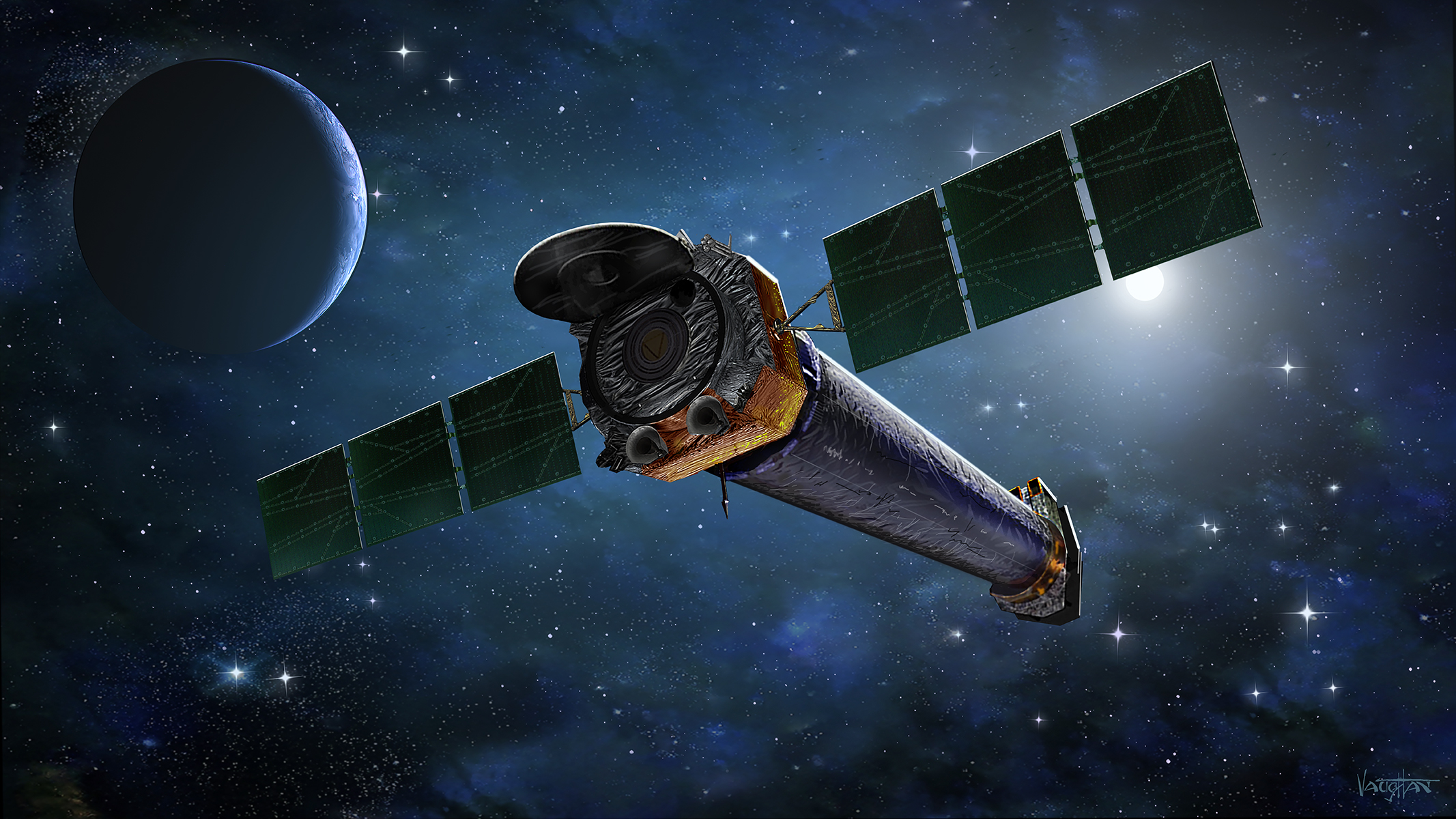
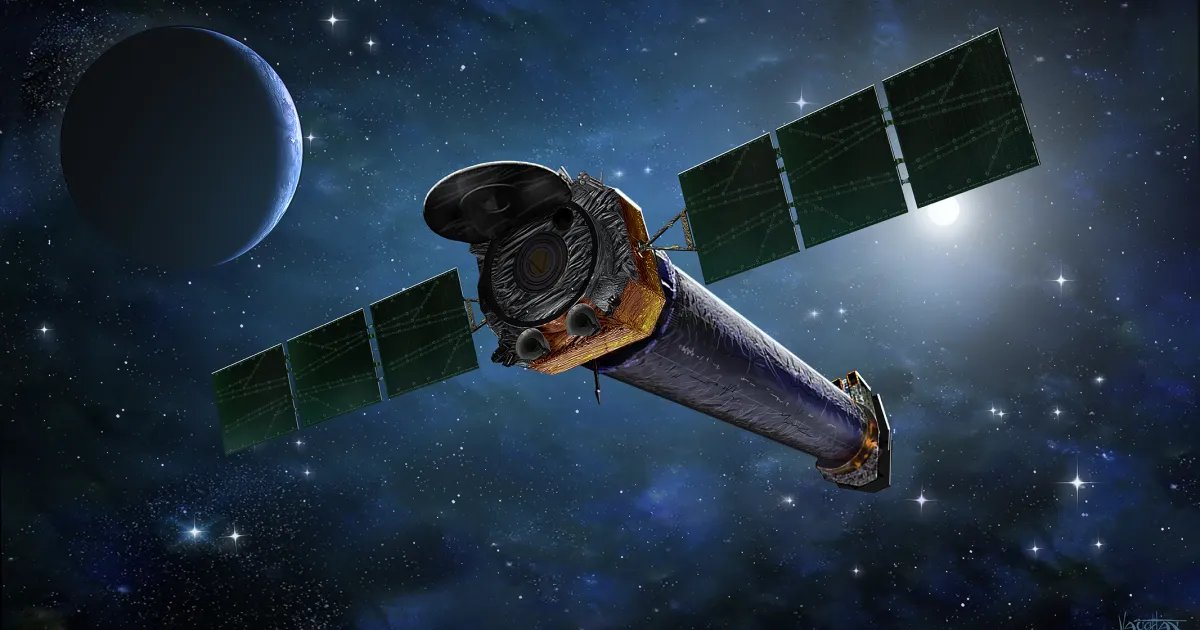
The Chandra X-ray telescope, seen here in an artist’s rendition, has continued to return observations in the 27 years since its launch. Credit: NASA/James Vaughan
On July 23, 1999, the Chandra X-Ray Observatory launched aboard the Space Shuttle Columbia; it would see first light a few weeks later, on Aug. 26. With resolution eight times greater than any previous scope, Chandra is the most powerful X-ray telescope ever built. The observatory is intended to help scientists understand the universe’s evolution through detections of X-ray emissions. Initially expected to last only three to five years, Chandra has made nearly 25,000 X-ray observations in the 26 years since its launch. The observations have contributed to better understanding of neutron stars, black holes, dark matter, and more. In March of 2024, NASA announced plans to decommission the observatory, but later offered a reprieve. In 2025, pending decisions about NASA’s budget had Chandra in limbo again, but it continues to return data.
Elisa Neckar is senior production editor of Astronomy magazine, and the editor of the Today in the History of Astronomy feature on Astronomy.com.