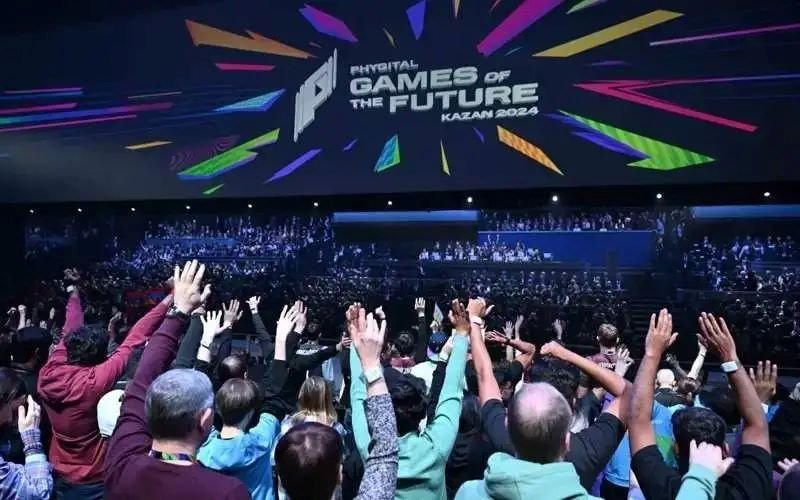
Kazakhstan Eyes Phygital Sports Boom as Games of the Future 2026 Continue
Astana (TDI): Kazakhstan is seeking to use the Games of the Future 2026 to accelerate the development of phygital sports and digital infrastructure in the country, a representative of the Ministry of Tourism and Sports said during a press conference in Astana.
Meiram Sapargali, official representative of Kazakhstan’s Ministry of Tourism and Sports, said the 2026 edition had introduced several changes compared with previous Games, most notably a shift from national teams to clubs representing different countries.
“Clubs from different countries are taking part,” Sapargali said, explaining that, similar to football, clubs can feature athletes from multiple nationalities. He said the change was also suited to esports, where athletes are already accustomed to competing as members of clubs rather than national teams.
According to Sapargali, Kazakhstan’s primary objective in hosting the Games is to develop phygital sports domestically and bring the country’s sports infrastructure closer to international standards. “This year, we selected eight disciplines,” he said, referring to the competition program that includes football, basketball, Counter-Strike formats and sports dancing.
Read More: What Makes Astana’s Games of the Future 2026 Different?
Sapargali said esports were developing rapidly worldwide and in Kazakhstan, adding that the country wanted traditional sports and phygital sports to progress alongside each other. Kazakhstan is also scheduled to host the Esports World Championship next year, he said, while more than 60 sports have been recognised as high-performance sports under a new sports development law, including esports.
Sapargali described the Games as a historic occasion for Kazakhstan, which has become the first country in Central Asia to host the event. He said the tournament coincided with Kazakhstan’s focus on innovation, technology and digitalisation, with the country continuing to invest in modern infrastructure and digital solutions.
The Games of the Future are being held in Astana from July 29 to August 9, bringing together athletes and clubs from around the world in competitions combining digital and physical sporting disciplines.
Sapargali said Kazakhstan had recently acquired additional equipment to support the development of phygital sports and was planning to establish a dedicated Phygital Sports Development Centre.
The centre would provide a platform for using the new equipment and supporting the future growth of phygital sports in the country. He said phygital sports were still relatively new, with the 2026 tournament representing only the third edition of the Games.
Kazakhstan has so far not held national phygital sports championships, with athletes instead participating in qualifying tournaments. This year’s club-based format has also led to special quotas being allocated to clubs based on previous results.
Asked whether the shift from national teams to clubs would continue in future editions, Sapargali said the decision ultimately rested with the rights holders. He noted that the club format appeared increasingly practical because phygital sports were not equally developed across all countries and esports athletes were already accustomed to club competition.
Read More: Astana Opens a New Chapter in Sport at Games of the Future 2026
He also stressed that Kazakhstan’s participation could not simply be measured in terms of national medals because Kazakh athletes may compete for clubs from other countries, while Kazakhstan-based clubs can also include foreign athletes.
The Games of the Future 2026 are positioning Astana as a meeting point for sport, esports, technology and innovation, with Kazakhstan seeking to establish itself as a regional hub for the rapidly developing phygital sports movement.