My favorite thing about the Galaxy Z Fold 8 isn’t even that obvious
Will I be buying Samsung’s brand-new Galaxy Z Fold 8? Probably not. Not because I don’t like it. Quite the opposite. To my eyes, it looks like the most exciting foldable yet, and the thing I love most about it isn’t even that obvious.
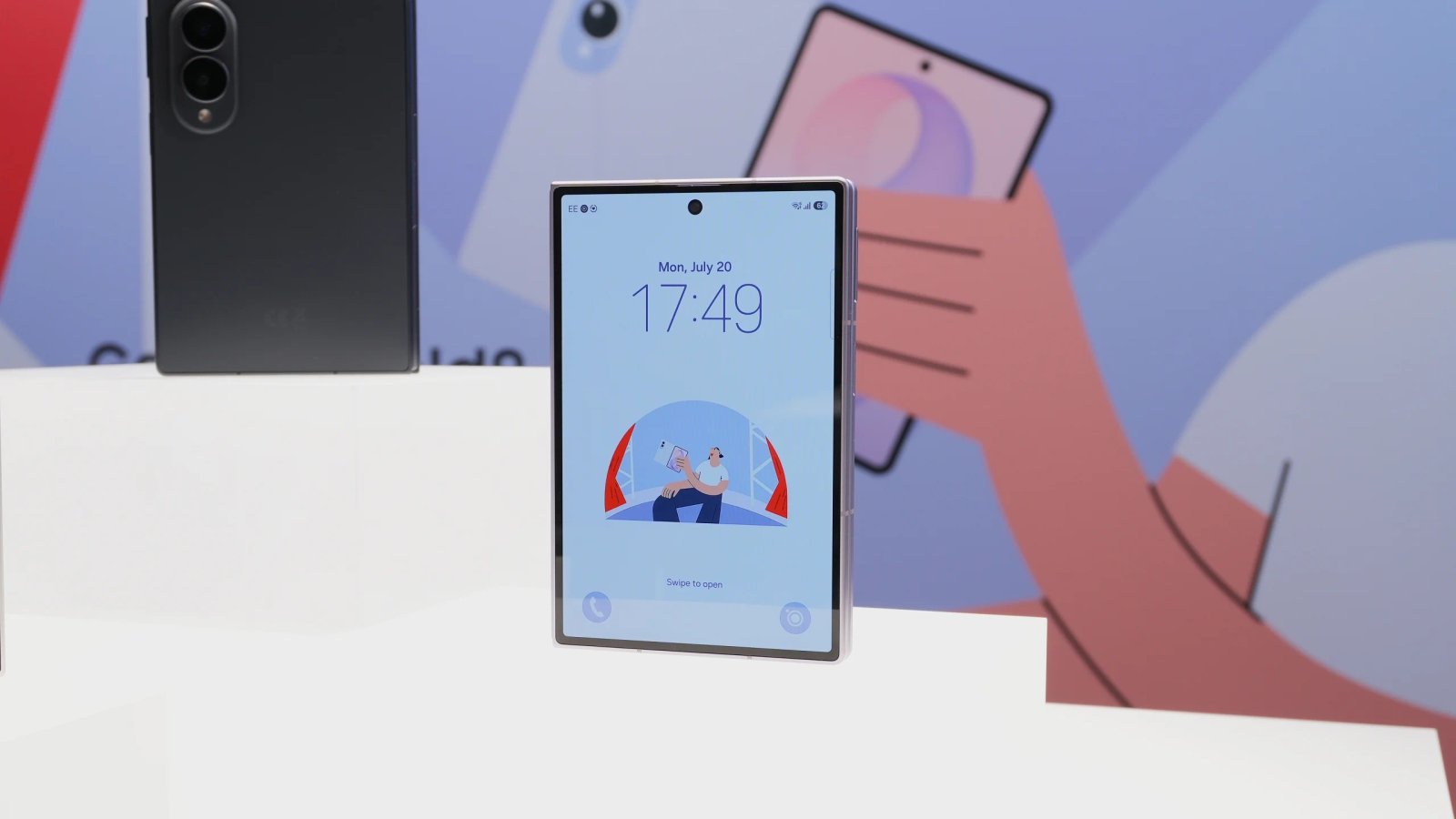
It’s because, for the first time, a Galaxy Fold doesn’t ask me to rotate it every time I want to use it like a tablet. Unfolding it is enough.
That might sound like a tiny thing. After all, rotating a phone takes all of half a second, and we do it often when watching videos or consuming other types of horizontal content. But hear me out.
Since the very beginning, Galaxy Folds have tried to create a phone-tablet hybrid. Every previous model, and even the new Galaxy Z Fold 8 Ultra, unfolds into a display that’s still taller than it is wide. If you want the familiar horizontal tablet layout, you have to rotate the device 90 degrees, and even then, the difference isn’t huge.
Here’s an unfolded Galaxy Z Fold 8 Ultra:

Abhijeet Mishra / SamMobile
One UI 9 on Samsung Galaxy Z Fold 8 Ultra – Source: Abhijeet Mishra / SamMobile
The Galaxy Z Fold 8 changes that. Folded shut, it’s a portrait-oriented phone with an unusual passport-style aspect ratio. Unfold it, however, and you’re immediately greeted by a 4:3 tablet-like display. No rotation required. Like magic, your Fold 8 is now a tablet.

Abhijeet Mishra / SamMobile
Galaxy Z Fold 8 split-screen multitasking – Source: Abhijeet Mishra / SamMobile
Even when you do want to rotate the Fold 8 90 degrees for a 3:4 tablet experience in portrait mode, the distinction is much more obvious than it is with other Fold models that are almost square when unfolded.
Closer than ever to the perfect hybrid foldable
So what’s the big deal? How much effort are you really saving by not rotating your phone to find the perfect aspect ratio for your content? I can already hear some people asking.
Well, not much. But product design isn’t only about solving huge problems. Sometimes it’s about removing tiny bits of friction you encounter every day, even those you may have learned to ignore. Those little optimizations can make a product feel more natural to use.
That’s one of the main reasons the Fold 8’s design appeals to me so much. Galaxy Folds have always promised a phone that becomes a tablet but came up somewhat short. And the unusual aspect ratios and the extra step of rotating the Fold always made the transformation feel just a little less seamless and special than it should have.
The Galaxy Z Fold 8 is the first Fold that seems to deliver on the original vision without that compromise, assuming you don’t think the passport-style cover screen is one. Open it, and you’re already looking at what feels like a proper tablet. It doesn’t just become bigger.
That’s why, based on everything I’ve seen so far, the Galaxy Z Fold 8 has become my favorite Fold yet. Ironically, as I mentioned earlier, I probably won’t be buying one, but that’s not a reflection of the phone itself.
The reason has nothing to do with the device. It’s simply a matter of economics. I don’t feel comfortable spending €2,000 or more on a phone right now with other priorities competing for that money. Otherwise, I’d buy the Galaxy Z Fold 8 in a heartbeat.
That will have to wait. Until then, I’ll happily borrow and/or try one whenever I get the chance. And if you’re planning to buy a Galaxy Z Fold 8 yourself, don’t forget to check what pre-order bonuses Samsung is offering in your region before the August 7 deadline.