NASA’s nuclear-powered Mars mission set to cost over $2 billion
NASA’s planned nuclear-powered mission to Mars is expected to cost more than $2 billion, as the agency pushes ahead with what would become the first demonstration of nuclear electric propulsion in space, Politico writes.
The mission, known as Space Reactor-1 Freedom (SR-1 Freedom), is projected to cost around $2.1 billion, according to NASA, although the figure does not include the separate cost of the scientific mission it would carry to the Red Planet.
“Early cost estimates are approximately $2.1 billion, and NASA will continue refining that figure through the acquisition process,” the agency confirmed in a statement.
The programme comes as NASA faces competing priorities, including plans to return astronauts to the Moon and establish a lunar outpost, while working with what is expected to be a largely unchanged budget.
According to documents sent to Congress and reviewed by POLITICO, NASA plans to allocate $640 million in 2026, $890 million in 2027, $415 million in 2028 and $180 million in 2029 for the nuclear spacecraft project.
However, the estimate excludes funding for SkyFall, the science mission that the spacecraft would deliver to Mars. NASA has not disclosed the expected cost of SkyFall, though researchers have warned it could place additional pressure on the agency’s science budget.
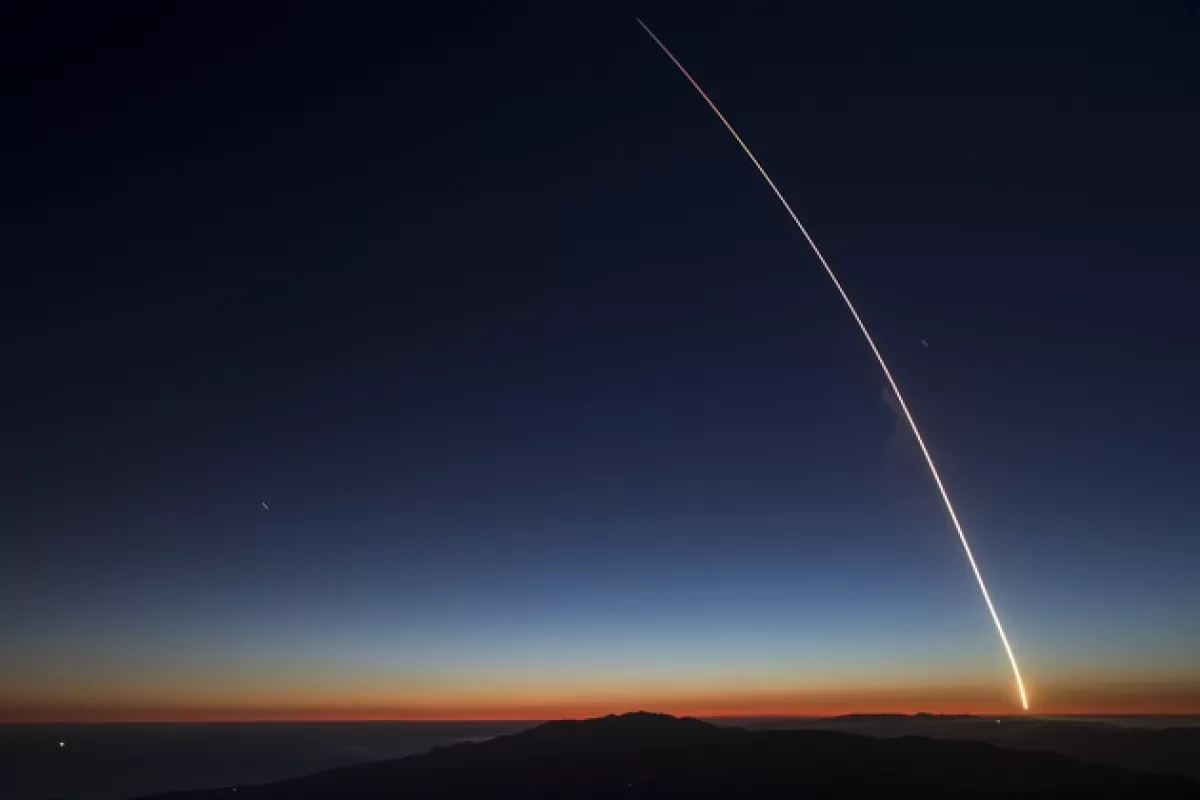
The mission is currently targeted for launch in late 2028 and aims to demonstrate nuclear electric propulsion technology, which could enable faster and more efficient deep-space travel.
The spacecraft is expected to deliver three helicopters to Mars to collect scientific data and search for possible sources of water.
NASA plans to accelerate development by reusing existing technology. The agency intends to repurpose the Power and Propulsion Element originally designed for the Gateway lunar space station, which was cancelled earlier this year, as part of the Mars spacecraft.
NASA is also working with the US Department of Energy to develop and assemble the nuclear reactor needed for the mission.
“We’re trying to leverage as much as we can with as little new development as possible. I know that’s always a challenge. It always sounds good on paper, but that’s really the intent,” Lori Glaze, NASA’s acting associate administrator for exploration systems development, said during a June meeting with the National Academies’ Aeronautics and Space Engineering Board.
Questions remain over how NASA will adjust existing budgets to fund the project, particularly during the 2027 appropriations process. Officials, however, said they believe the programme can be financed within current limits.
“We are realigning all the resources within the topline to make sure we can cover the items that were identified in Ignition, and right now, it all fits,” Glaze said.
NASA said the helicopters for the SkyFall mission would receive partial funding from the science directorate’s Mars Future Missions budget, but the agency has not released an overall cost estimate.
“While the final program-wide budget numbers are being carefully refined as mission architectures undergo formal design maturation, by getting both a launch and a ride to Mars with SR-1, this mission fits well with the administrator’s objective of reducing costs and concentrating efforts on missions with near term science and exploration opportunities,” the agency said.
The project represents one of NASA’s most ambitious attempts to advance deep-space exploration technology, but its rising price tag is likely to fuel debate over whether the agency can balance ambitious Mars goals with its wider scientific and lunar programmes.
By Aghakazim Guliyev