New 500 EV Models Launched in Half a Year: Shortage of Car Buyers
“New energy electric vehicles are updated more frequently than the cars in QQ Speed.”
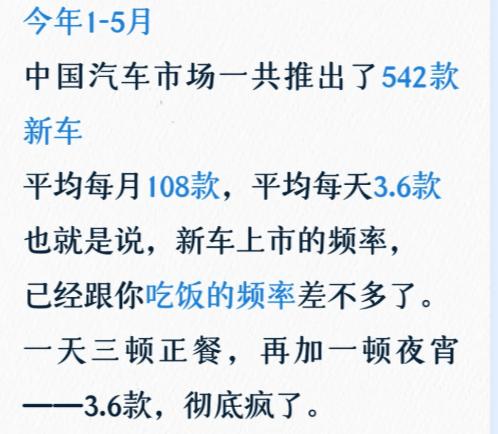
Not long ago, a set of data from the Dongchedi APP shocked the entire industry: From January to May this year, 550 new car models were launched in the domestic market, with an average of more than 3 new models launched every day! Among these 550 models, new energy electric vehicles are the absolute main force.

What does this concept mean?
At the peak of the German automotive industry, about 100 new models were launched in a year; at the peak of Japan’s bubble economy, only more than 40 new models were launched in a year.
In the field of new energy in China, the number of new cars launched in one month can easily outnumber the total number of new cars launched in Germany in a whole year; in just two weeks, it can complete the annual new model launch KPI of Japan.
In the past few years, many people joked that new energy vehicle manufacturers “build cars like making mobile phones”. But now, it seems that even mobile phones have to admit defeat in terms of the update speed of electric vehicles.
According to a report by Netcom News Agency, during the same period, there were only 43 new mobile phone models launched, which is less than a fraction of the number of new cars.
Embarrassingly, although new models are launched as frequently as dumplings being dropped into a pot, the overall sales volume has actually shrunk significantly.
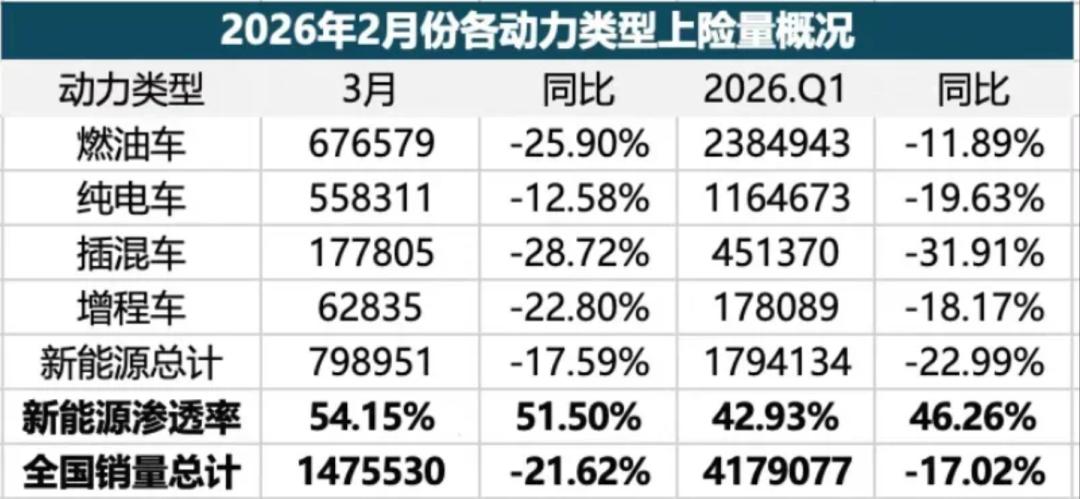
According to data from the China Association of Automobile Manufacturers, in May this year, the total retail sales volume of the national passenger car market was only 1.51 million units, a year-on-year decrease of 22.1%; as of May, the cumulative retail sales volume for the year was only 7.099 million units, a year-on-year decrease of 19.5%.
With more than 500 new models launched in half a year, there aren’t enough car owners for all these electric vehicles.
Will anyone really buy these crazily launched electric vehicles?
01
The seamless update of new energy vehicles has left car owners numb
The automotive industry should be the least likely to become a fast – moving consumer goods industry, but new energy is turning cars into fast – moving consumer goods.
In the era of gasoline cars, a classic model could be popular for many years. For example, the Volkswagen Golf was the best – selling car in Europe for 14 consecutive years, and the Toyota Camry also dominated the US passenger car market for a long time.
At that time, car manufacturers competed for long – term trust. They wouldn’t launch a product until they were fully prepared.
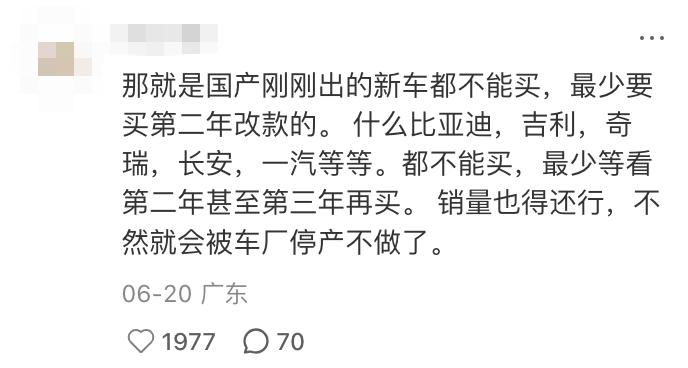
In the era of electric vehicles, almost all models are subject to the “three – month curse” — for an electric vehicle, it only takes a short three months from its hot launch to a decline in sales.
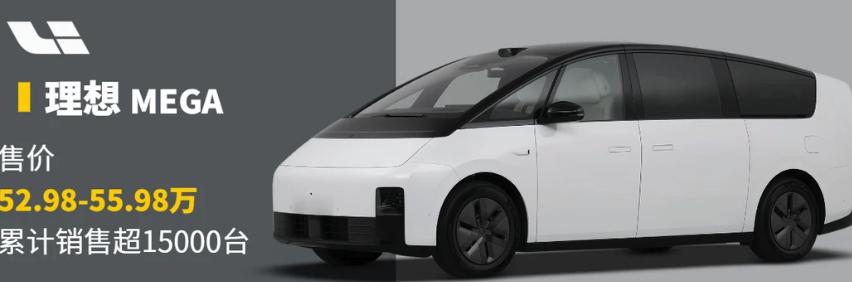
In March 2024, when the Li Auto MEGA was launched, it was extremely popular. But three months later, its monthly sales volume dropped from 3,229 units to 614 units;
Similarly, the monthly sales volume of the LeDao L60 exceeded 10,000 units in December 2024, but dropped to 5,912 units in January of the following year, and only 4,049 units in February.
The press conferences have also experienced a similar “inflation”.
Some media statistics show that in the first five months of 2026, domestic car manufacturers held more than 400 press conferences, with an average of 3.5 press conferences per day. At the most exaggerated time, six or seven brands launched new cars simultaneously in one day.
In the end, even the R & D cycle can be infinitely compressed.
McKinsey China pointed out that it takes an average of nearly 4 years for a traditional car manufacturer to launch a new car from project establishment to market launch, while new energy vehicle manufacturers only need an average of 24 months. Even many brands can develop a “quick – made car” in 180 days.
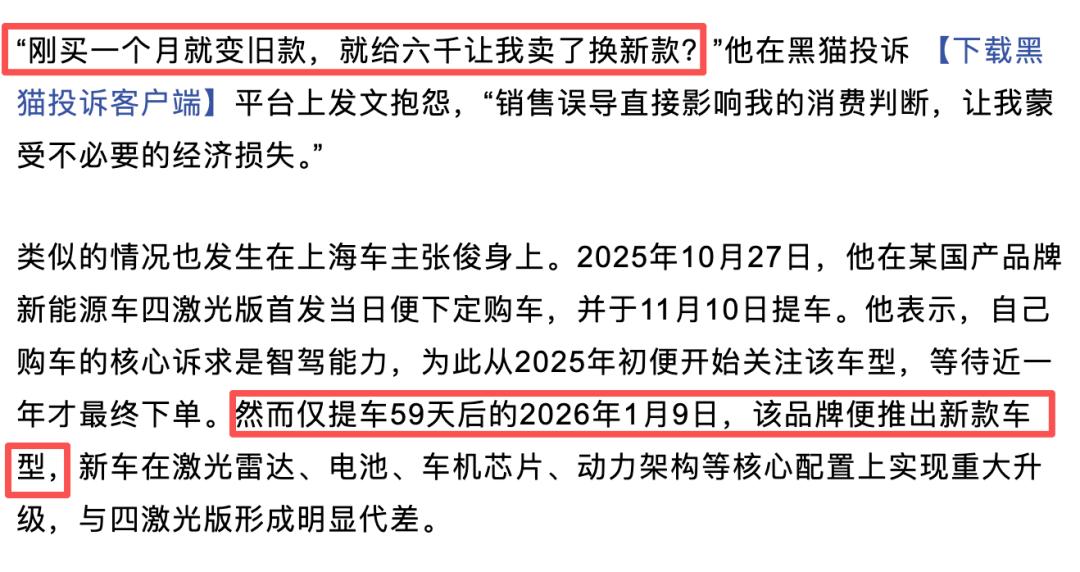
However, cars are not really fast – moving consumer goods. The consequence of a hasty launch is cutting corners, which ultimately makes car manufacturers bear all the risks.
For example, in April this year, at the Hongmeng Zhixing Spring New Product Press Conference, several models such as the Shangjie Z7, Z7T, Wenjie M6, Zhijie V9, and the new – generation Wenjie M9 were launched at once.
As a result, there was a problem during the display session. The topic of “the Shangjie Z7 breaking down” instantly hit the hot search, but the staff responded that it was a “normal display”.
Behind the crazily launched electric vehicles, it’s not a real improvement in production capacity, but rather that car manufacturers are being driven by industry anxiety.
02
Triple pressures are forcing car manufacturers into crazy involution
Some people ask: What on earth do car manufacturers aim for by launching electric vehicles crazily?
The answer is, it’s not that car manufacturers want to launch new models, but they dare not not to.
Triple industry anxieties have made most electric vehicle manufacturers regard launching new models as a life – saving straw.
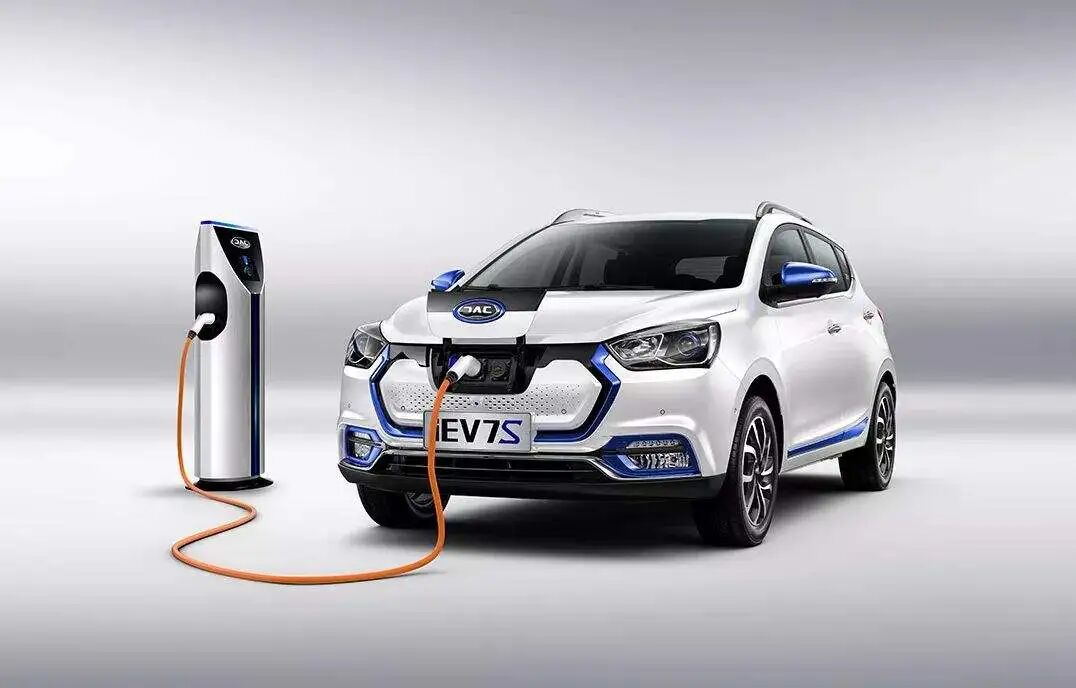
The first pressure is the anxiety about the existing market, which forces car manufacturers to desperately grab orders.
On the surface, the new energy vehicle market still looks prosperous.
Data from the China Association of Automobile Manufacturers shows that in May 2026, the sales volume of new energy vehicles in China reached 1.496 million units, a year – on – year increase of 14.4%; the cumulative sales volume in the first five months was 5.802 million units, a year – on – year increase of 3.5%, and the proportion of new energy vehicle sales in the total new car sales has reached 56.9%.
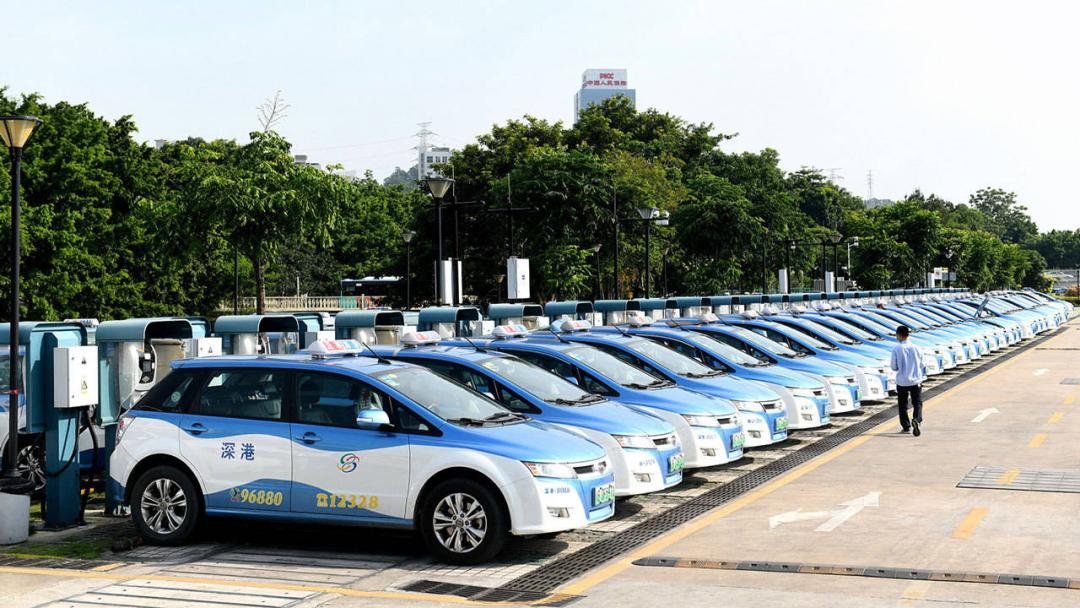
However, this cake is no longer enough for everyone. Electric vehicle brands are crowded at the same table. Leading car manufacturers can still recover through scale, but more players can only struggle on the verge of losses.
The industry profit has become as thin as paper. At the 2026 China Automobile Chongqing Forum, Wang Xia mentioned that the profit margin of the automotive industry in the first quarter was only 3.2%, significantly lower than the average level of industrial enterprises above the designated size in the country.

The second pressure is the anxiety about homogenization, which forces car manufacturers to “put new wine in old bottles”.
Why do car manufacturers have to keep launching new models? Because it’s getting harder and harder to stand out from their peers.
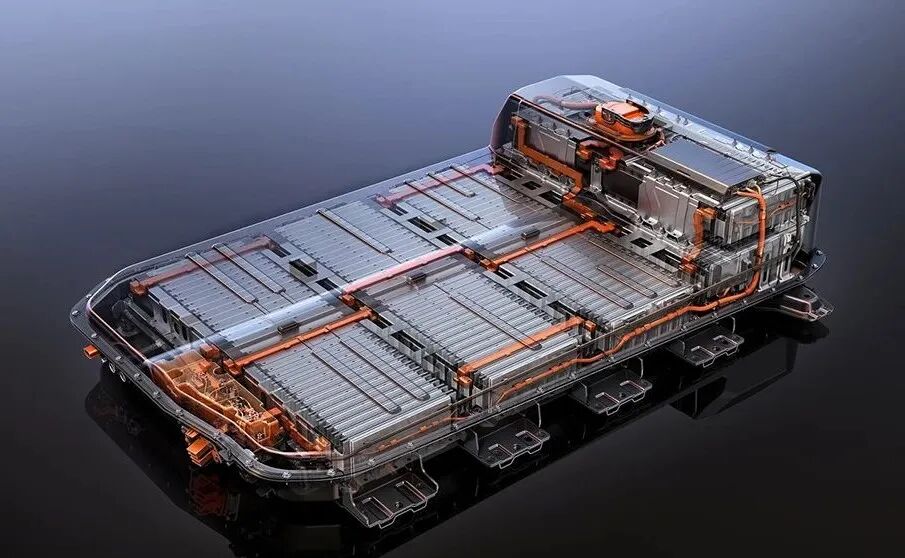
In the era of gasoline cars, well – known car manufacturers had their own unique technologies; in the era of electric vehicles, everyone uses batteries produced by the same manufacturers and algorithms provided by the same few large companies, so it’s difficult to tell a different story.
From the perspective of the supply chain, in May 2026, CATL and BYD together accounted for about 62.7% of the electric vehicle battery market share.
The research on the product charm index of Chinese new energy vehicles shows that the overall score of the new energy market’s product charm has exceeded 800 points for the first time, and the proportion of first – time new energy vehicle buyers has dropped to less than 60%.
This shows that the overall product strength of new energy vehicles has generally improved, and even features like “refrigerators, color TVs, and big sofas” have become standard in the industry.
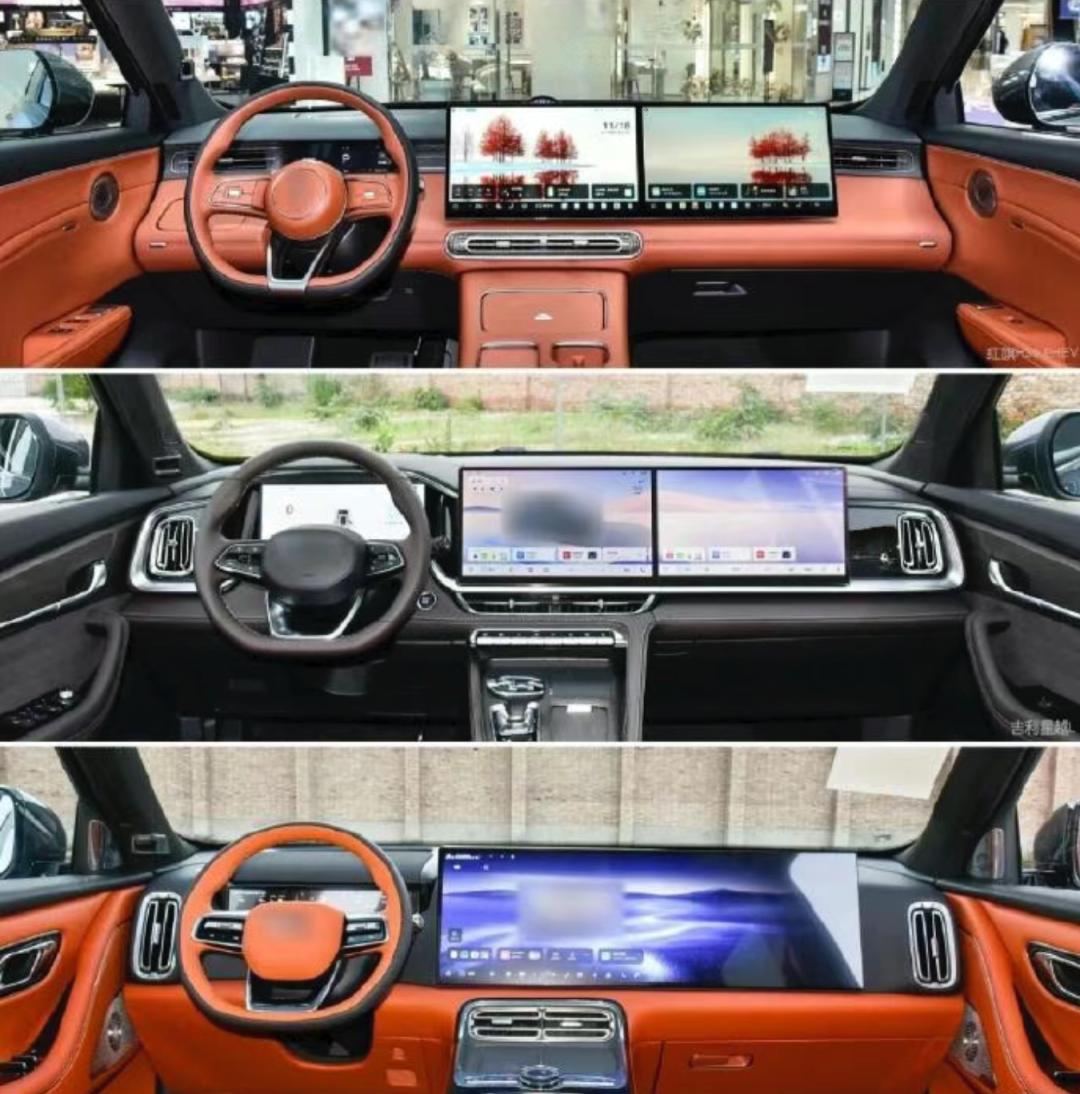
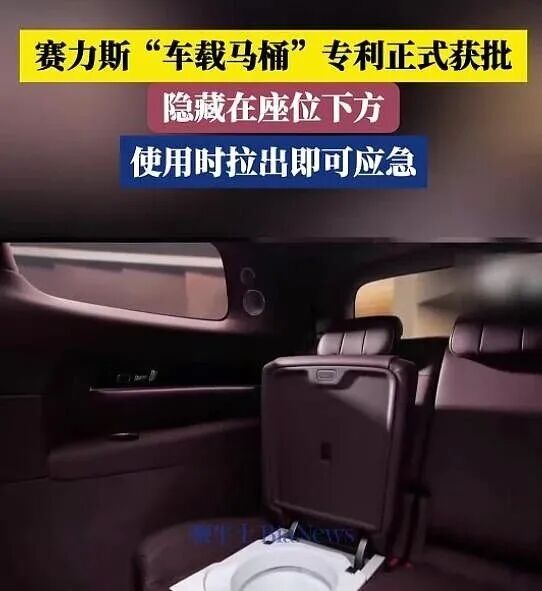
In order to stand out from their peers, car manufacturers have even started to create “pseudo – demands” collectively, such as cooking hot pot in the trunk, making dumplings in the car, and installing a toilet in the back seat…
However, these functions do not conform to daily usage scenarios, and the overall configuration of electric vehicles still remains largely the same.
The third anxiety is the anxiety about traffic, which forces car manufacturers to try every means to attract attention.
Some people say: The most competitive aspect of car manufacturers is not technology, but their founders.
As early as 2024, the Beijing Auto Show became a stage for car company bosses to “stand out”. According to a report by Cailian Press, “the top influencers in the car circle” became Lei Jun of Xiaomi and Zhou Hongyi of 360, which even put pressure on early new – force car manufacturers like NIO, XPeng, and Li Auto in terms of traffic.
Now, the founders’ Weibo accounts have become the biggest publicity platforms for electric vehicle manufacturers, and press conferences have become monthly variety shows starring the bosses.
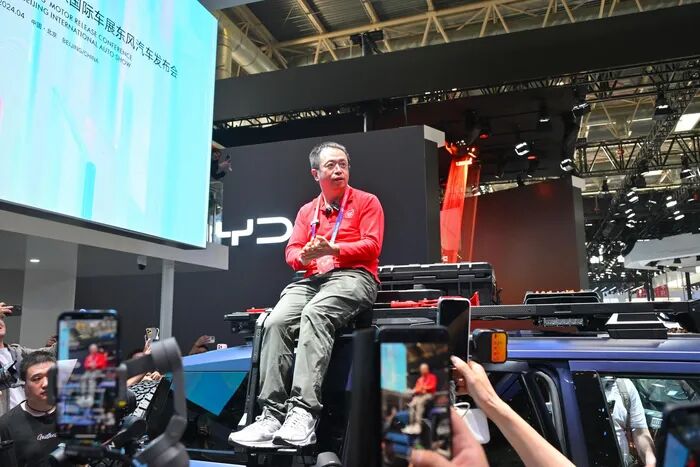
Some industry media statistics show that if we include various auto shows, technology exchange meetings, product press conferences, etc., there are at least 1,000 “press conferences” of car manufacturers across the country in a year. Phrases like “leading the industry” and “surpassing Tesla” are very common.
Many so – called new cars are not really brand – new, but just re – launched with a new look.
According to a report by Xinhua News, among the more than 500 new models launched in the first half of 2026, only 107 are truly new platforms or replacement models, accounting for less than 20%.
What does this mean? As long as you change the configuration or color of the same car, it can be launched as a new car again.
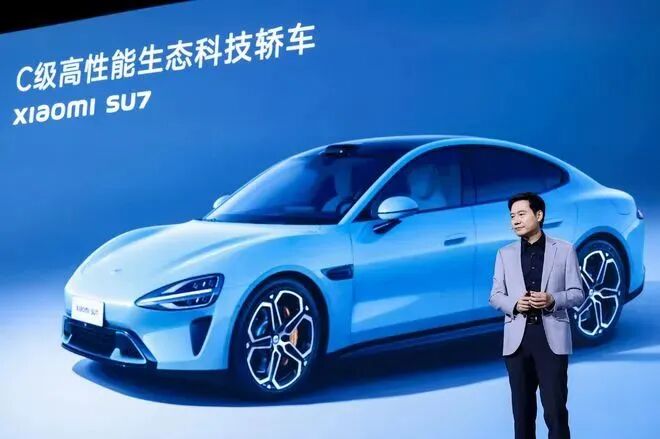
However, customers have seen too many of these tricks, and their thresholds have become higher.
The result of this vicious involution