OpenAI Set to Launch AI Speaker and Smartphone in Major Hardware Push
OpenAI is preparing to enter the consumer hardware market with a range of artificial intelligence-powered devices. Recent reports suggest OpenAI is working on a smart speaker, an AI smartphone, and several other products as it looks to expand beyond software and compete in the growing AI device market.
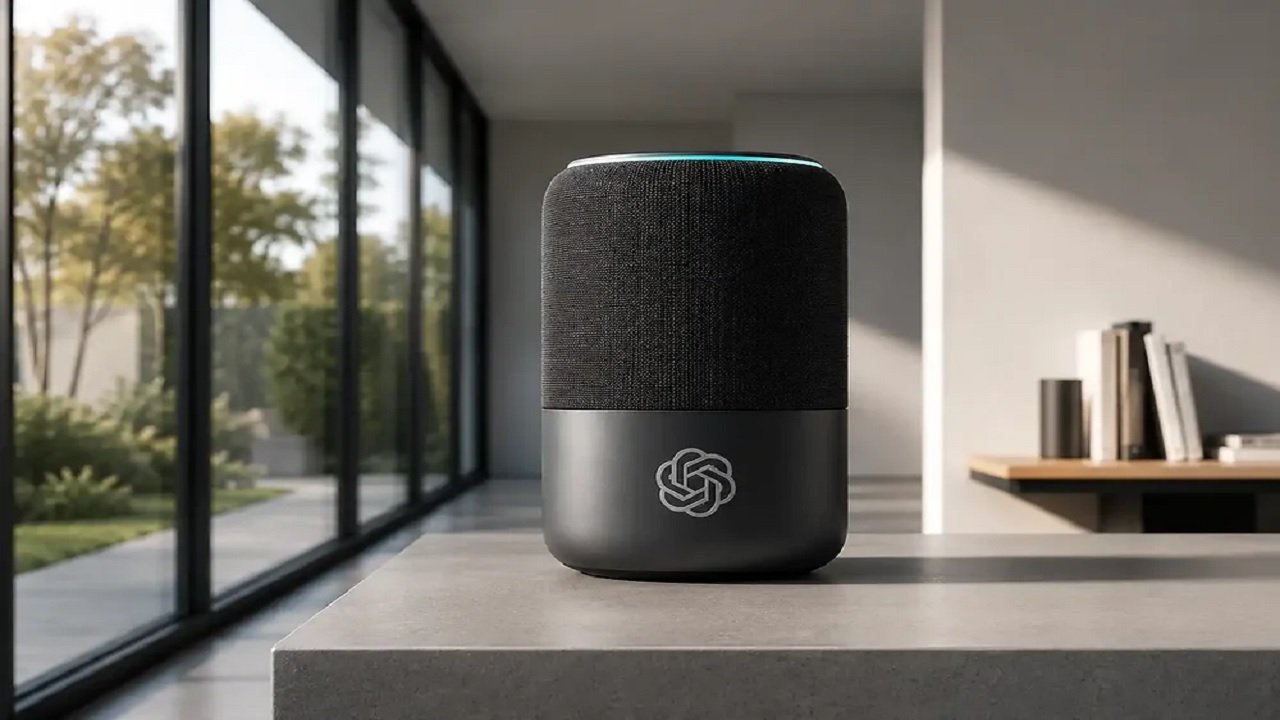
According to reports, OpenAI’s first hardware product will be a portable AI smart speaker developed in partnership with former Apple design chief Jony Ive. Unlike traditional smart speakers, the device is expected to work as a personal AI companion rather than just a voice assistant.
OpenAI Set to Launch AI Speaker and Smartphone in Major Hardware Push
The speaker is rumored to feature a rechargeable battery, allowing users to move it between rooms. It may also include a camera that helps it understand its surroundings. Reports claim the device will have moving mechanical parts that make it appear more interactive and lifelike.
The speaker will run on ChatGPT and use GPT-Live for natural conversations. It may control smart home devices, answer questions, play music, send and receive messages, and gradually learn user preferences to provide more personalized assistance. Reports also suggest that OpenAI does not consider products like Apple’s HomePod to be its direct competitors.
The AI speaker is now expected to launch in early 2027 with a price ranging between $200 and $300.
AI Smartphone Could Follow
OpenAI is also reportedly developing an AI-focused smartphone that could launch as early as 2027. Industry analyst Ming-Chi Kuo believes the device will focus on an always-on AI assistant that understands a user’s location, activity, conversations, and daily context instead of relying mainly on traditional mobile apps.
The smartphone will feature a customized version of MediaTek’s Dimensity 9600 processor, built using TSMC’s advanced N2P manufacturing process. Reports indicate that MediaTek may become the exclusive chip supplier for the device.
The phone will also include an advanced image signal processor with improved HDR capabilities for better camera performance. It may feature two dedicated AI processors, allowing it to handle image recognition and language processing at the same time for faster and smarter responses.
Mass production is now reportedly planned for the first half of 2027, earlier than previous estimates. If development stays on schedule, analysts believe OpenAI could ship around 30 million devices during 2027 and 2028 combined.
More AI Devices in Development
Beyond the speaker and smartphone, OpenAI is reportedly exploring additional AI hardware. These include smart glasses, a smart lamp, and possibly wireless earbuds. However, these projects remain in development, and some may never reach the market.
The company’s hardware ambitions gained momentum after its $6.5 billion acquisition of Jony Ive’s startup, io Products. OpenAI has also hired more than 400 former Apple employees, including several experienced designers and engineers, to strengthen its hardware division.
Apple Lawsuit Adds New Challenge
OpenAI’s hiring efforts have also led to legal action. Apple filed a lawsuit against the company on July 10, alleging the theft of trade secrets. OpenAI has denied the claims, stating that it has “no interest in other companies’ trade secrets.”
Some industry observers believe the lawsuit could slow OpenAI’s hardware plans by making it more difficult to recruit engineers and work with suppliers. However, neither company has provided further details on how the legal case may affect future products.
Competition in the AI Hardware Market
OpenAI’s growing hardware strategy could place it in direct competition with Apple. Reports suggest Apple is also developing several AI-powered products, including smart glasses, AirPods with cameras, an AI pendant, and a smart home hub with enhanced Siri capabilities.
As both companies continue investing in artificial intelligence, the coming years could see increased competition in AI-powered consumer devices, giving users more options for smart assistants and connected technology.
Mobile Phone Taxes Portal
Find the PTA Taxes on All Phones on a Single Page using our Taxes Portal.
Note: Mobile phone tax rates and calculations fall under the jurisdiction of the Federal Board of Revenue (FBR), not the Pakistan Telecommunication Authority (PTA).