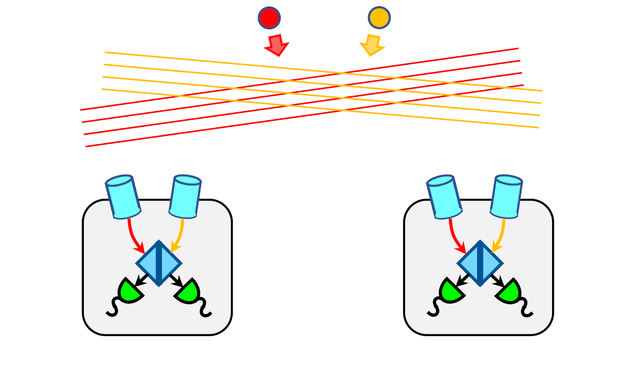
Precision Astrometry Using Optically Independent Spacecraft for Graviational Wave Detection
 |
submitted by /u/Galileos_grandson [comments] |
| |
submitted by /u/Galileos_grandson [comments] |
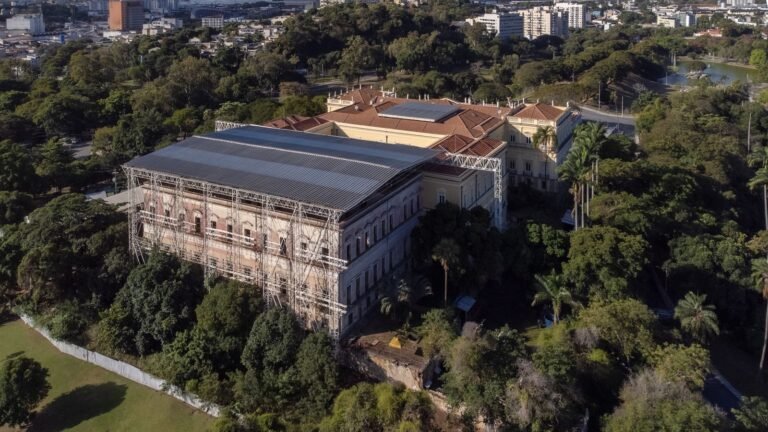
Ever since a 2018 blaze destroyed priceless artifacts and scientifically important specimens, museum staff have devoted themselves to reopening its doors to the public An aerial view shows the construction at the National Museum in Rio de Janeiro. Felipe Cohen / Project Museu Nacional Vive The news arrived with both excitement and a pang of…
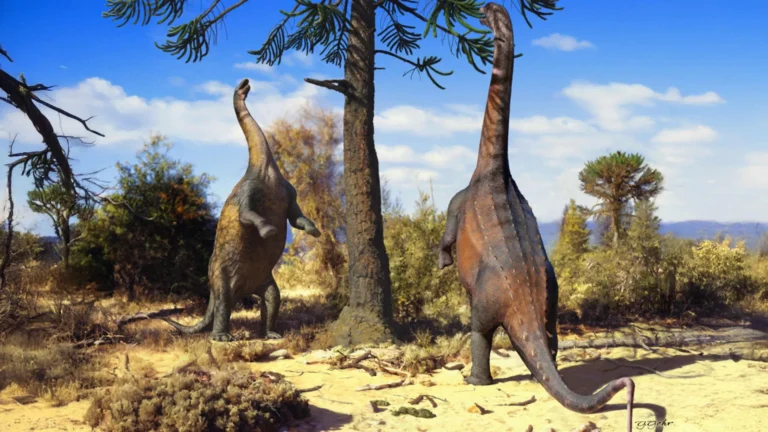
Some long-necked dinosaurs may have been far more capable of standing upright than their enormous bodies suggest. About 66 million years ago, two South American sauropods could rise onto their hind legs and remain there for relatively long periods, especially when they were young. This ability may have helped them reach leaves high in trees,…
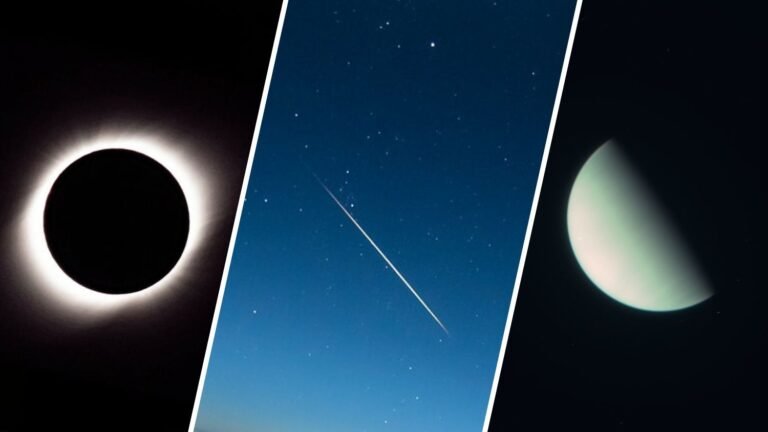
Sometimes weeks go by without anything notable happening in the sky. Then along comes something spectacular, like a total solar eclipse, the peak of a major meteor shower or a bright planet reaching a landmark moment in the evening sky. On Wednesday, Aug. 12, 2026, all three occur almost simultaneously. As a bonus, if you…
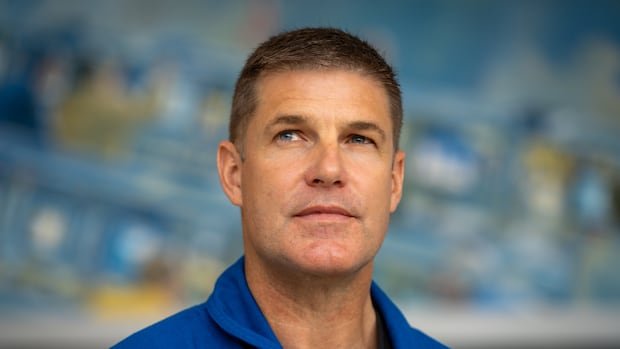
Listen to this article Estimated 3 minutes The audio version of this article is generated by AI-based technology. Mispronunciations can occur. We are working with our partners to continually review and improve the results. Astronaut Jeremy Hansen, who voyaged around the moon in April, is retiring from the astronaut corps at the Canadian Space Agency….
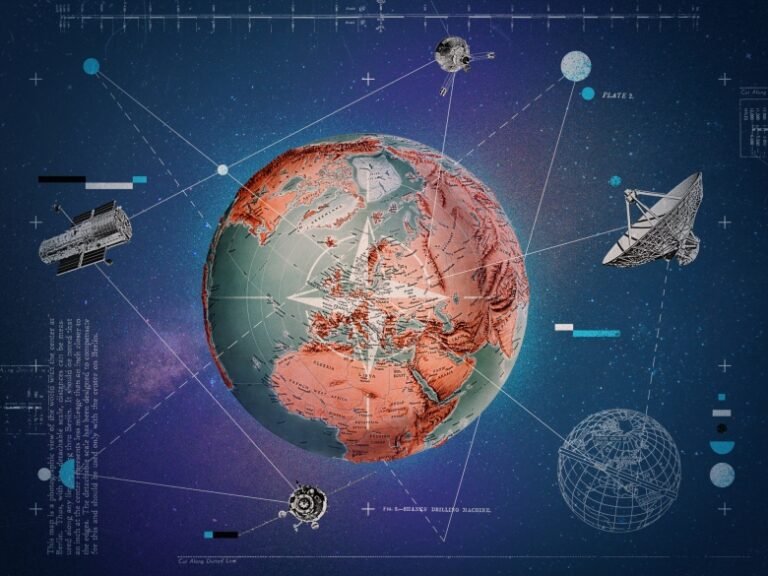
Several NATO member states have entered a new phase in their joint space operations, launching a series of multinational initiatives designed to connect national capabilities within a more integrated and resilient network. The programme, which does not include the United States, aims to strengthen their capacity for military communications, reconnaissance, early warning, and missile tracking….

According to many true-believers, the biggest promise of AI is its potential to accelerate scientific discovery; once-in-a-generation breakthroughs could one day become routine, thanks to algorithms. By extracting patterns from troves of data far too vast for any human mind to fathom, so the thinking goes, AI scientists could eventually help solve some of humanity’s…