PTA Fines Mobile Operators Around Rs 740 Million Over Illegal SIM Issuance
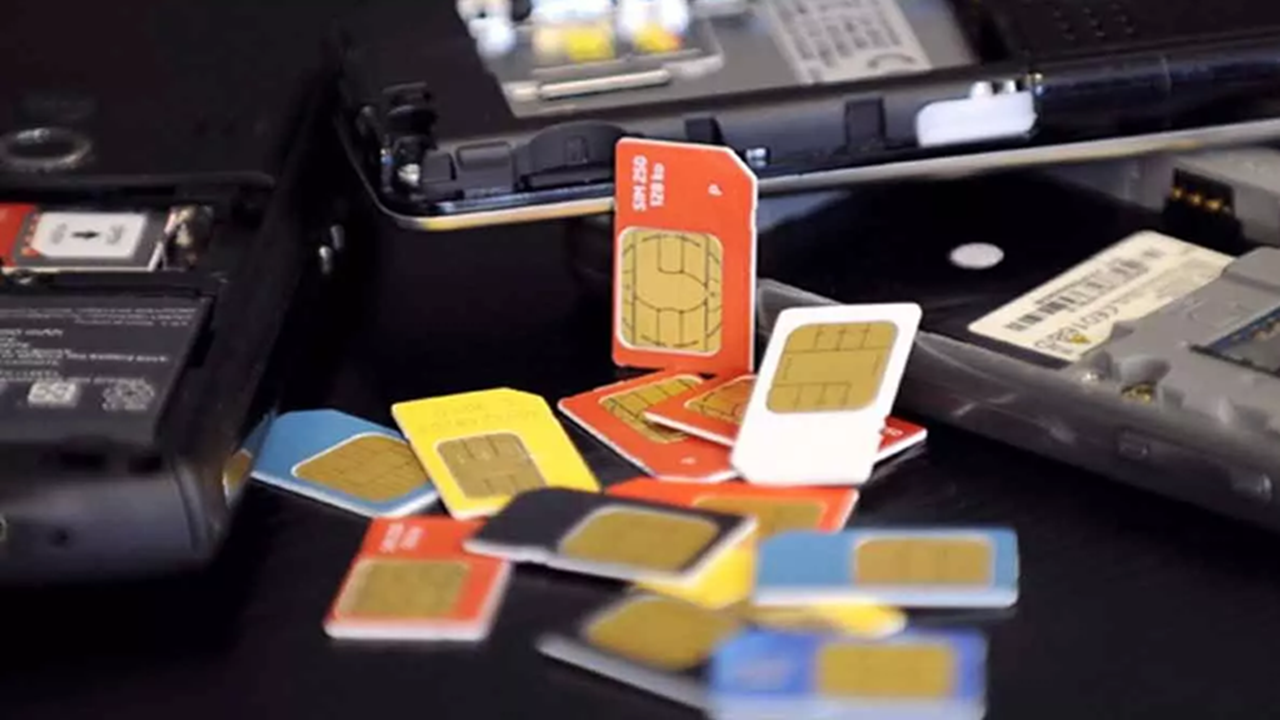
The Pakistan Telecommunication Authority has imposed heavy penalties on the country’s four cellular mobile operators after investigations found repeated violations of SIM issuance rules, including unauthorized activations, weak biometric verification controls, and inadequate supervision of franchise networks.
The enforcement action was taken under Section 23 of the Pakistan Telecommunication (Re-organization) Act, 1996, following a series of investigations into SIMs allegedly issued against citizens’ computerized national identity cards without their knowledge, consent, or physical presence.
According to the enforcement orders, China Mobile Pakistan, which operates Zong, was fined Rs 155.6 million, while Jazz, Telenor Pakistan, and Ufone each faced penalties of Rs 116.7 million in separate proceedings.
Ufone was also fined an additional Rs 77.8 million and Rs 38.9 million in two other cases linked to illegal SIM issuance through its sales channels.
The material provided places the cumulative penalties at around Rs 740 million. However, the individual amounts specifically listed add up to approximately Rs 622.4 million, suggesting that some additional penalties may not have been included in the breakdown.
The regulator concluded that the operators had failed to comply with mandatory subscriber-verification requirements despite repeated directions aimed at preventing identity theft, illegal SIM sales, and misuse of telecom services.
In several cases, the PTA found that SIMs had been activated against subscribers’ CNICs without their knowledge or physical presence at authorized sales outlets. The authority said such activations violated the subscribers’ antecedents verification regulations and the standard operating procedures governing biometric verification.
In one case involving Zong, a SIM was allegedly activated against a subscriber’s CNIC through an authorized franchise in Lahore without the subscriber’s consent. A subsequent raid led to the recovery of laptops, biometric verification devices, and around 150 SIMs.
PTA rejected the company’s argument that the SIM had passed NADRA biometric verification, ruling that successful biometric authentication alone did not absolve the operator of its legal responsibility to ensure lawful issuance and genuine subscriber consent.
Telenor Pakistan was penalized in a separate case after the regulator found that a SIM had been activated through an unauthorized franchise without the subscriber’s consent. Investigators reportedly recovered biometric verification devices, laptops, and SIM inventory from the franchise premises.
PTA also rejected the argument that franchisees operated as independent contractors, saying licensed operators remained legally responsible for every SIM issued through their authorized distribution and sales networks.
Ufone faced multiple enforcement actions after investigations uncovered what the PTA described as large-scale illegal SIM issuance through its sales channels.
In one case, raids led to the recovery of more than 12,600 active SIMs, along with biometric verification devices and other equipment allegedly used for unlawful activations. Separate cases also involved SIMs activated without subscribers’ consent through Ufone franchise outlets in different cities.
Jazz was fined Rs 116.7 million after PTA found violations of regulatory requirements governing SIM issuance and biometric verification. The regulator cited inadequate proof of subscriber consent, weak monitoring of authorized outlets, and insufficient control over the use of biometric verification system devices.
The PTA said the operators had also failed to effectively implement live finger detection technology and geofencing controls on biometric verification devices. These safeguards are intended to reduce the risk of biometric spoofing, identity theft, and the use of verification equipment outside authorized locations.
The regulator warned that illegal SIM issuance could expose consumers to identity theft, cyber fraud, financial crimes, and misuse of telecommunications infrastructure.
PTA stressed that licensed operators remained solely responsible for every SIM issued through their authorized sales channels.
All operators have been directed to deposit the penalties within the stipulated period, failing which further legal action may be initiated under the law.
Also read:
No Mobile Operator Fully Meets PTA Quality Standards in Q1 2026
Mobile Phone Taxes Portal
Find the PTA Taxes on All Phones on a Single Page using our Taxes Portal.
Note: Mobile phone tax rates and calculations fall under the jurisdiction of the Federal Board of Revenue (FBR), not the Pakistan Telecommunication Authority (PTA).