Sam Altman’s quote on the singularity
 |
submitted by /u/Key_Category_8531 [comments] |

| |
submitted by /u/Key_Category_8531 [comments] |
![[EU] [VIDEO] Cinematic drone flight over the Italian Dolomites 4K🇮🇹 (DJI Mini 5 Pro)](https://jobssz.com/wp-content/uploads/2026/07/N3c0ZDVvazJoNmZoMb1VV7hQI8q9ffOJRbVNGIXm1HZDbkzZzvN3AK6PlVM3.png)
Hey everyone! I just started a new channel and wanted to share my first project. I spent a week in the Dolomites and put together this short cinematic edit of my favorite flights over Val Gardena, Passo Sella and Passo Giau. I am still learning so any feedback is more than welcome! Full video in…
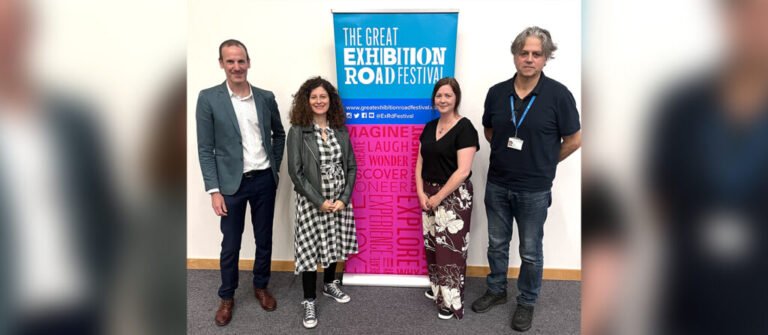
Since the first robot-assisted surgery was performed, over 40 years ago, major advances in robotics, computer vision and artificial intelligence have fundamentally changed medicine and healthcare. Innovative new technologies are already aiding skilled medical professionals in diagnosis, surgery, rehabilitation and beyond. But many questions remain: What ethical issues arise as medical tools become increasingly autonomous?…
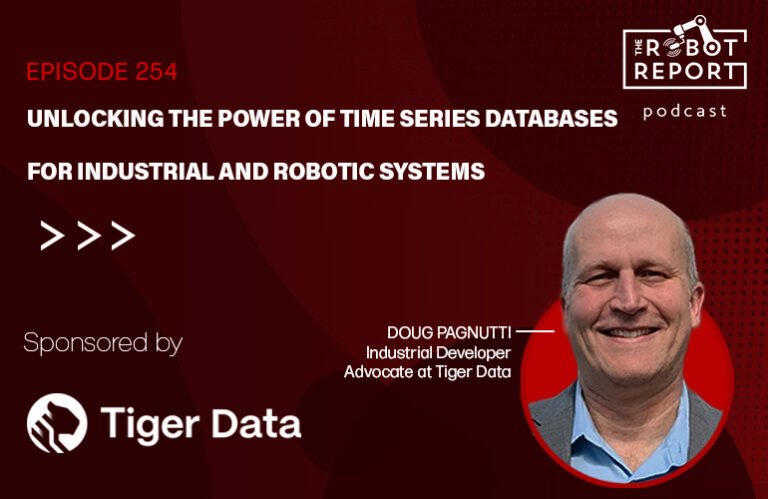
In Episode 254 of The Robot Report Podcast, we talk to Doug Pagnutti, developer advocate at Tiger Data. He discusses how time series databases like TimescaleDB are improving industrial automation, robotics, and AI applications. He shares insights about integrating these databases with various sensors, managing data at scale, and optimizing performance both on the cloud…

Insider Brief Locus Robotics has acquired Nexera Robotics as the company expands its warehouse automation platform with AI-driven robotic grasping and manipulation capabilities. Nexera’s NeuraGrasp technology is designed to help robots handle a wider range of inventory types, including irregular products, textiles, soft packaging and delicate goods. The acquisition strengthens the capabilities of Locus Array,…
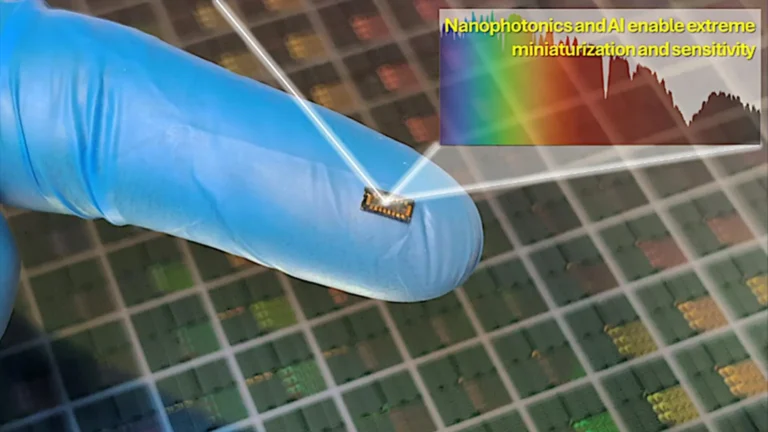
For years, analyzing the chemical makeup of materials has required large and costly laboratory instruments known as spectrometers. These systems are used in everything from disease diagnosis and food inspection to pollution monitoring. Traditional spectrometers work by splitting light into its component colors using prisms or gratings, then measuring the intensity of each wavelength. Because…
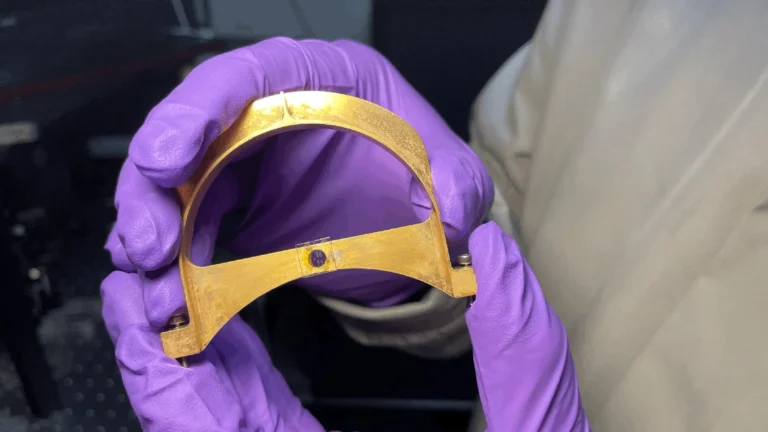
Quantum computers today are notoriously difficult and expensive to operate. Most require temperatures near absolute zero, about -459 degrees Fahrenheit, to maintain the fragile quantum states needed for computation and communication. Now, researchers at Stanford University have developed a nanoscale optical device that functions at room temperature while linking the quantum properties of light and…