Smartphones Go the Car Route: Apple ‘Lease’ vs. Samsung ‘Subscription’ Battle Heats Up — BigGo Finance
As smartphone retail prices hover around the 2 million won mark (approximately $1,386), the growing financial burden on buyers is pushing manufacturers to make a bold move with services that let consumers use phones much like they lease cars. Apple has launched a formal leasing program in the U.S., while Samsung Electronics has fired back with a subscription model that guarantees a residual value when the used device is returned. Although the two companies’ approaches differ, their strategy is identical: lower the perceived price of increasingly expensive flagship smartphones and allow manufacturers to directly manage the replacement cycle.
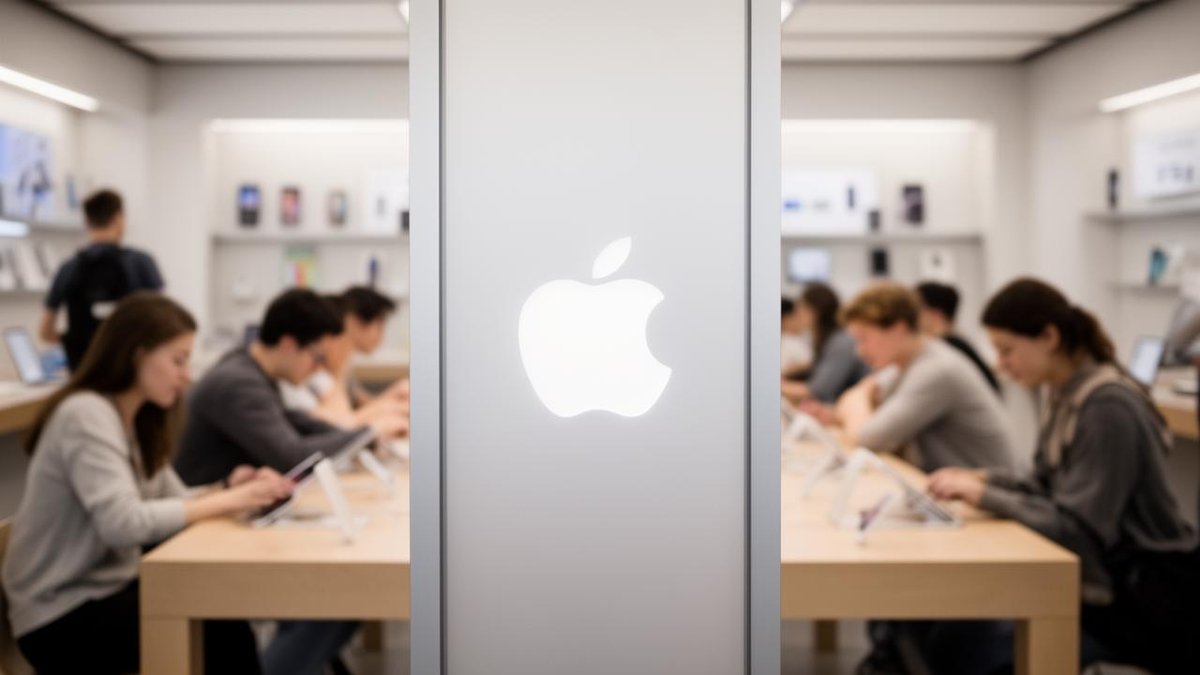
According to the information technology industry on the 31st, Apple has recently gone all-in on a leasing program in the U.S. market that lets customers pay a fixed monthly fee to use an iPhone, similar to leasing a car. The structure means users do not own the device and only pay for the period of use; at the end of the contract, they can swap it for a new model or simply return it.
Samsung Electronics, by contrast, is pushing a subscription service where consumers first purchase the device, and if they return it after a set period of use, they receive a pre-agreed residual value back. The model is effectively designed to lower the monthly payment burden, making it easier for consumers to access premium products.
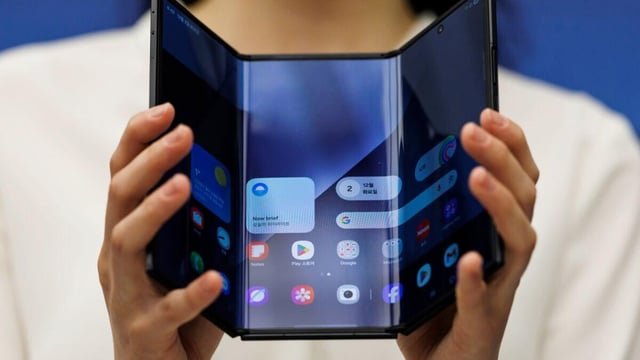
The backdrop to the growing attention on these services is the relentless rise in smartphone prices. As the cost of semiconductors and other core components climbs, the retail prices of major manufacturers’ flagship models are increasing year after year. Samsung Electronics’ new foldable Galaxy Z Fold8 series is also priced well above the 2 million won mark for the top-tier model.
Manufacturers also expect leasing and subscription services to boost consumer loyalty. By encouraging device replacement on a regular cycle, they can naturally retain customers with each new product launch. “As the paradigm shifts from ownership to access, the automotive industry’s leasing model is set to spread rapidly in the smartphone market as well,” an industry insider predicted.
Separately, Samsung Electronics achieved an unusual result with pre-sales of its new foldable Galaxy Z8 series, with buyers in their teens and 20s accounting for more than 50% of purchases. Until now, the 10-to-20-something demographic in South Korea has been classified as a group with high loyalty to the iPhone, but the most popular model in this pre-sale period was the Galaxy Z Fold8. The cream color ranked first in sales, followed by pistachio and lavender.
So Min-jung, a 24-year-old university student who visited the Samsung Store Hongdae branch in Donggyo-dong, Seoul, said, “I’ve never used a foldable smartphone before, but seeing the Fold8 made me want one for the first time.” She added, “It looks cute and unique, so I think my friends will be interested too.”
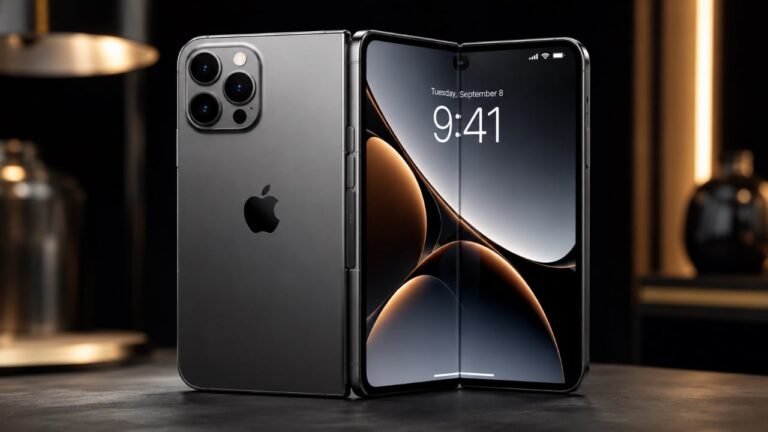
The design changes Samsung Electronics applied to this new product are also cited as a factor that captured the hearts of young consumers. The existing vertically folding model was moved to the ‘Fold8 Ultra,’ while the standard Fold8 introduced a new passport-sized design that is short and wide—about the size of a passport when folded and a tablet when unfolded. It is designed with a 10:16 screen when folded, suitable for consuming short-form content, and a 4:3 screen when unfolded for enjoying videos, webtoons, and e-books.
The industry is assessing that the long-held formula of “the iPhone is the design to have” is breaking down. Analysts say Samsung Electronics has succeeded in building an innovative image by putting its foldable products at the forefront. In a February survey of 500 university students conducted by Binu Labs, which operates the campus life platform Everytime, Samsung scored 62% in the innovative image category, surpassing Apple’s 51%. This marks the first time Apple has trailed Samsung in this category since the survey began in 2023.
Indeed, while Apple has steadily improved the iPhone’s camera, chip, and battery performance, there has been considerable criticism that most of these were internal changes only noticeable when the phone is turned on and compared side-by-side. In contrast, the Galaxy Fold and Flip reveal their external differences the moment they are placed on a café table. Additionally, Samsung Electronics beat Apple to the punch in introducing artificial intelligence features such as real-time Korean interpretation and recording summaries, which also resonated with younger users. Apple’s Intelligence Korean language support arrived about a year later than Galaxy’s.
Currently, Gen Z university students’ smartphone ownership still favors Apple, with the iPhone at 61.6% and Galaxy at 38.4%. However, when asked about future purchase intentions, the gap narrowed significantly to 57.4% for iPhone and 42.6% for Galaxy. Notably, the percentage of users looking to switch from Galaxy to iPhone plummeted from 20% last year to 7.8% this year, demonstrating that Samsung’s customer stickiness is strengthening.
Major mobile phone retailers across Seoul are already voicing concerns about supply shortages for the Galaxy Z Fold8. “We have confirmed that the 10-to-30-something generation is enthusiastic about the new form factor,” a Samsung Electronics representative said. “We will continue to provide differentiated experiences through our foldable lineup.”
As the smartphone market enters a mature phase, manufacturers are judging that competing on hardware specifications alone is no longer enough to hold onto consumers. Consequently, strategies that combine financial services like leasing and subscriptions with innovative form factors such as foldables are emerging as key variables that will determine the future market landscape.