The Light Flip Phone Is a Minimalist Throwback Built With Modern Hardware Sensibilities
Light is the latest mobile phone manufacturer to look to the past to find inspiration. The company, known for creating intentionally minimalist mobile designs, unveiled its first flip phone Tuesday.
At $299, the Light Flip is the first of the company’s models to start a completely new product line rather than drawing from a previous design. The new flip phone is far more affordable than Light’s previous phone, the $799 Light Phone 3.
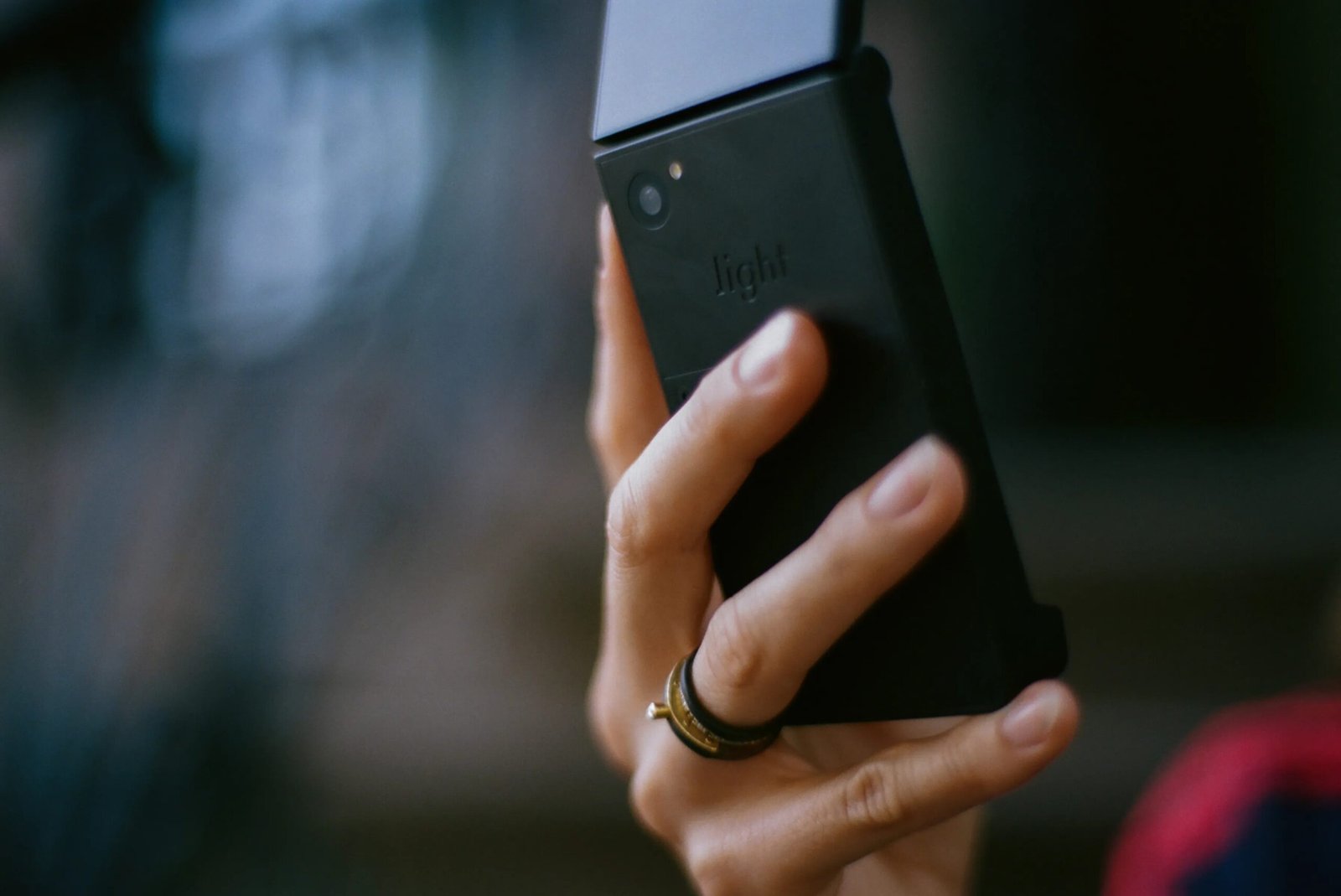
It has all the hallmarks of a classic flip phone, including a 2.8-inch internal screen, a tactile T9 button layout, a circular cursor and home and volume buttons on the side of its plastic chassis. A 3.5-mm headphone jack feels delightfully analog, but the phone also supports USB-C charging and has Bluetooth, Wi-Fi and 5G connectivity.
When the Light Flip is folded up, it’s just 4.3 inches long — smaller than your iPhone 17. It’s a petite device, and even has a built-in keychain loop.
The Light Flip phone occupies a niche for people looking for a low-key device that cuts down on the constant stressors and distractions of modern life. There’s no internet browser, no social media and no color at all on the phone’s monochrome OLED display. The Light Flip doesn’t even include the color camera preview mode of previous Light Phone models, largely because it doesn’t have a touchscreen.
Essentially, the Light Flip appears to be aiming to deliver the bare essentials of a mobile phone with the power of modern hardware, which is precisely what makes a device like this appealing.
What to expect with the Light Flip
The Light Flip runs on the company’s custom-built operating system, LightOS, which supports the same apps as the Light Phone 3. It includes call and text functionality, navigation, a music player, an alarm clock, a calculator and a notes app. There’s also a 50-megapixel main camera and a front-facing 12-megapixel selfie camera.
Despite its back-to-basics philosophy, the Light Flip has 128GB of storage and 6GB of RAM.
There’s no Google Play Store to download apps from, but the recently released open-source LightOS developer program is native to this model, which means folks can create and share more tools for the device. (That onboard storage might come in handy for more than photos and videos when new software gets added to the developer library.)
The Light Flip is currently expected to begin shipping out internationally in April 2027. US customers will be able to choose Light’s own service plan for $39 a month or stick with another carrier.
Light is planning to partner with carriers for offerings for buyers based in Canada and the United Kingdom. Elsewhere, the phone will be sold unlocked.

The future of flip phones (and foldables)
Major mobile phone manufacturers have returned to the tactile folding form of classic phones in recent years. Smaller companies are using the resurgence of this technology to ride the digital detox wave led by younger generations, creating more standard phones with pared-back features and limited access to external apps to push back against the “attention economy.” Plus, the satisfaction of opening and snapping shut a phone provides a kind of emotional, retro appeal.
The Light Flip phone is just one of these trendy devices, with its custom LightOS supporting just a handful of essential features without including access to social media feeds filled with video and photo. The reborn Commodore brand recently announced its $400 Callback 8020 flip phone, a device committed to the “screen break” trend, with no access to email or work apps at all.
Other phones such as HMD’s $129 Barbie Phone are a tad gimmicky but accomplish the same basic goal at a much lower price. It’s another flip phone with limited app access, focused instead on delivering a bare-bones calling and texting experience.
Meanwhile, many of the big mobile phone companies are adopting the flip phone design but combining it with massive displays and expansive app stores. The market share of foldable phones is growing year by year as companies including Samsung, Google and Motorola continue to invest in the technology.
Many of the most impressive foldables, such as the Samsung Galaxy Z Fold 7 and Google Pixel Fold, have lofty four-figure price tags that keep them out of reach for many. But other foldable devices including the Motorola Razr are available at lower prices.
With Apple rumored to enter the foldable market as early as this year, it’s very likely that foldable phones will become more popular soon.
There’s an entire segment of the mobile phone industry dedicated to producing the best, most powerful budget phones with the most features for under $300. In the age of social media apps and AI chatbots, it looks like more companies may look to the past when it comes to future devices. Regardless, the flip phone is here to stay.