The music industry wants AI slop kicked off the charts, and it finally has a plan
I’ve caught myself bopping along to a new viral quite a few times, only to realize that it was created using artificial intelligence. Turns out the labels are just as fed up with this as I am.
So what exactly are labels asking for?
A coalition of nearly a dozen record companies, including the “big three” of the industry, Universal Music Group, Sony Music, and Warner Music Group, is pushing global music charts to adopt rules that would disqualify AI slop tracks from consideration (via The Hollywood Reporter).
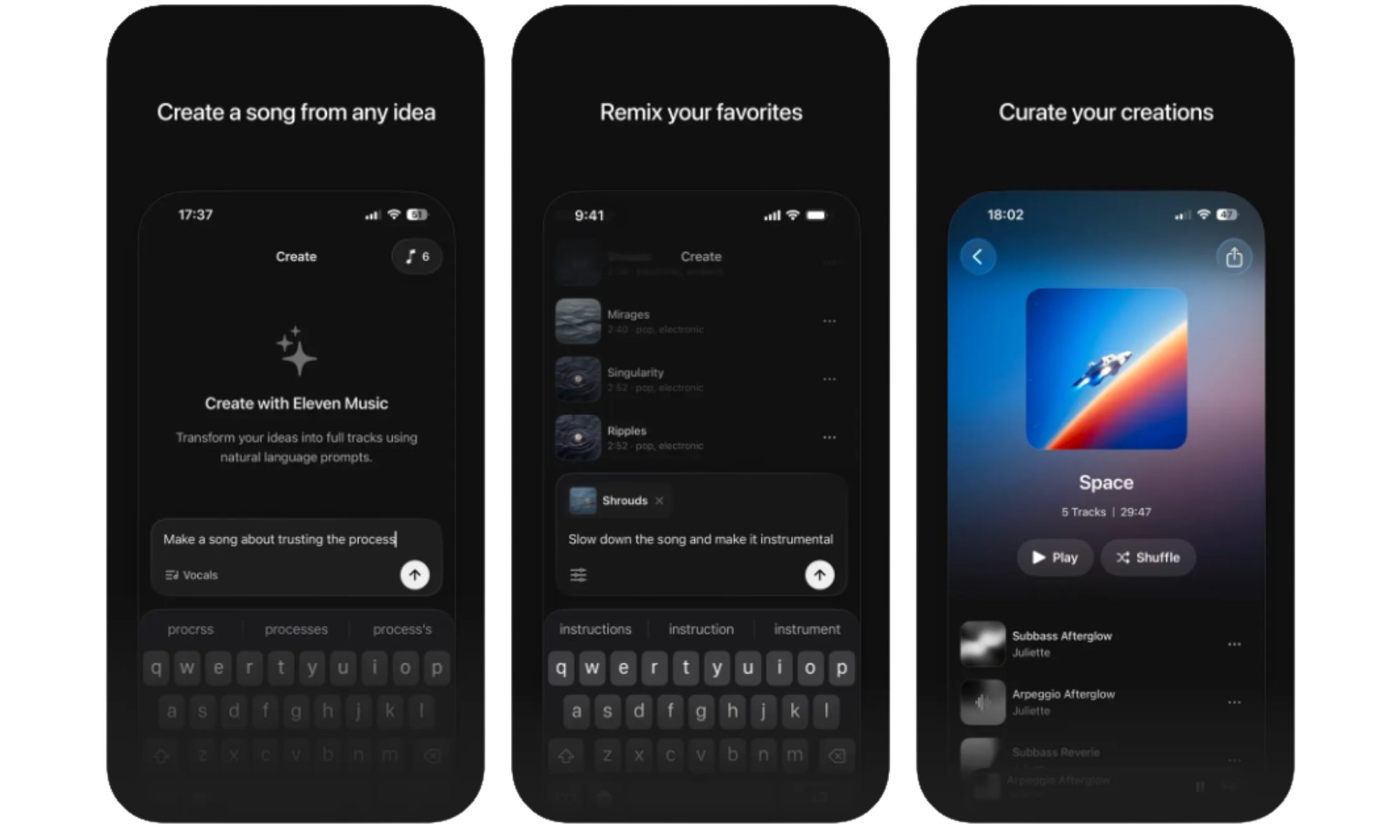
What’s interesting is that the proposed policy wouldn’t ban AI music outright. A track would still qualify if it is substantially human-created and only uses AI as a supplemental tool. However, to be eligible for global charts, it must meet three key conditions.
The AI model used must be properly licensed and authorized (not trained on copyrighted music without permission), the song must be primarily made by a human, and it must be free from any streaming fraud or artificial chart manipulation.
In a joint release, the labels didn’t mince words. They pointed out that many AI tracks flooding streaming services were built on tools trained on artists’ work without consent. These same tracks are frequently tied to fraudulent streaming activity.
Why now, and has this already happened?
The AI country act Breaking Rust garnered major headlines last year after landing on the country digital sales chart. However, placements on digital sales charts don’t necessarily reflect mass popularity, as it only takes about a thousand sales to chart, especially since digital downloads have become uncommon in the streaming era.
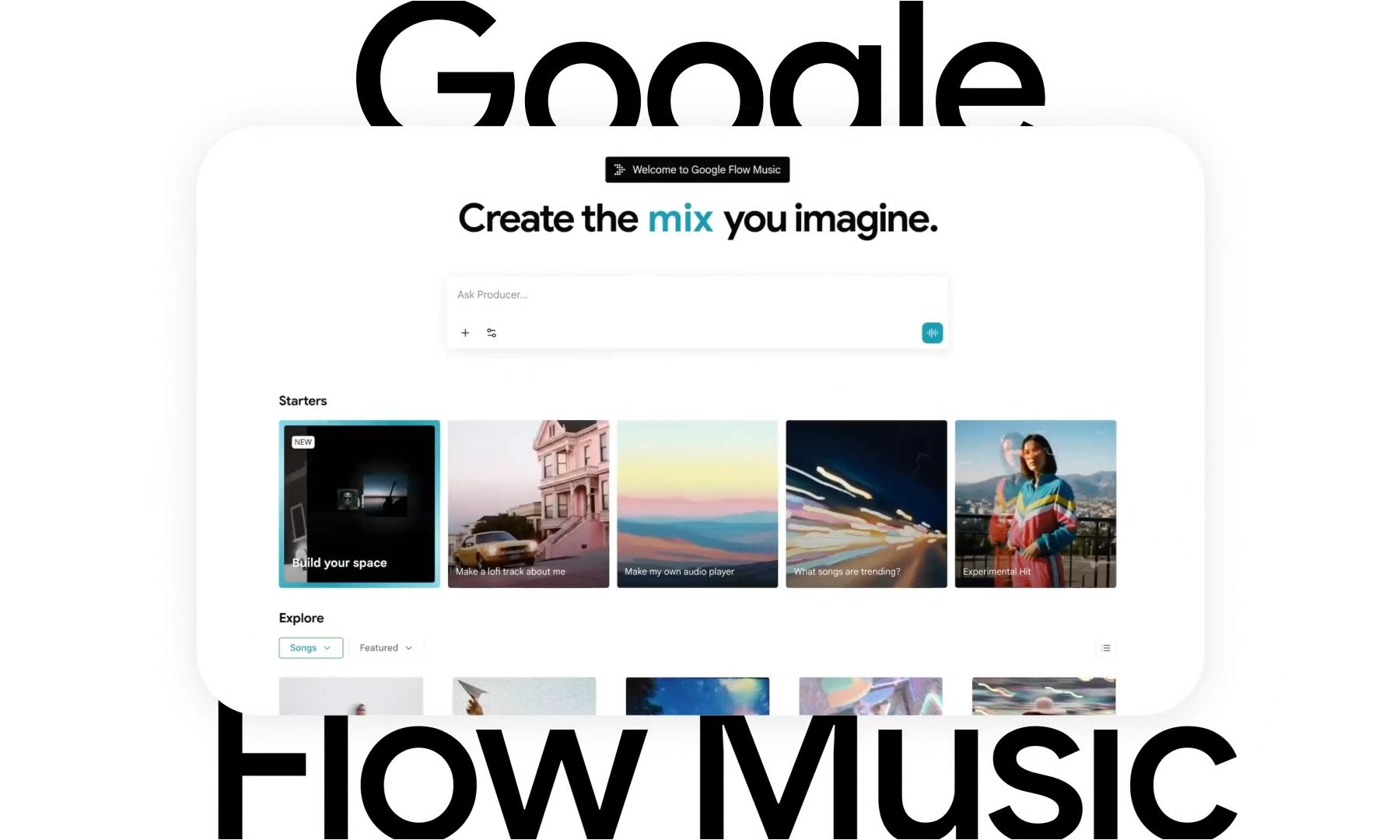
On one hand, the record labels are actively partnering with companies like Nvidia, Spotify, and Stability AI to develop authorized AI tools. On the other hand, they have aggressively taken legal action against unlicensed platforms.
While Universal, Sony, and Warner Music Group all sued AI music generators Suno and Udio in 2024 over copyright infringement, Warner has since settled with both platforms, and Universal settled with Udio last year.
To me, this dual strategy, wherein labels are suing AI companies while quietly signing licensing deals with them, suggests they see AI music as inevitable rather than avoidable, and want to control its terms rather than block it outright.