This UK Satellite’s Thermal Camera Raises Major Privacy Concerns
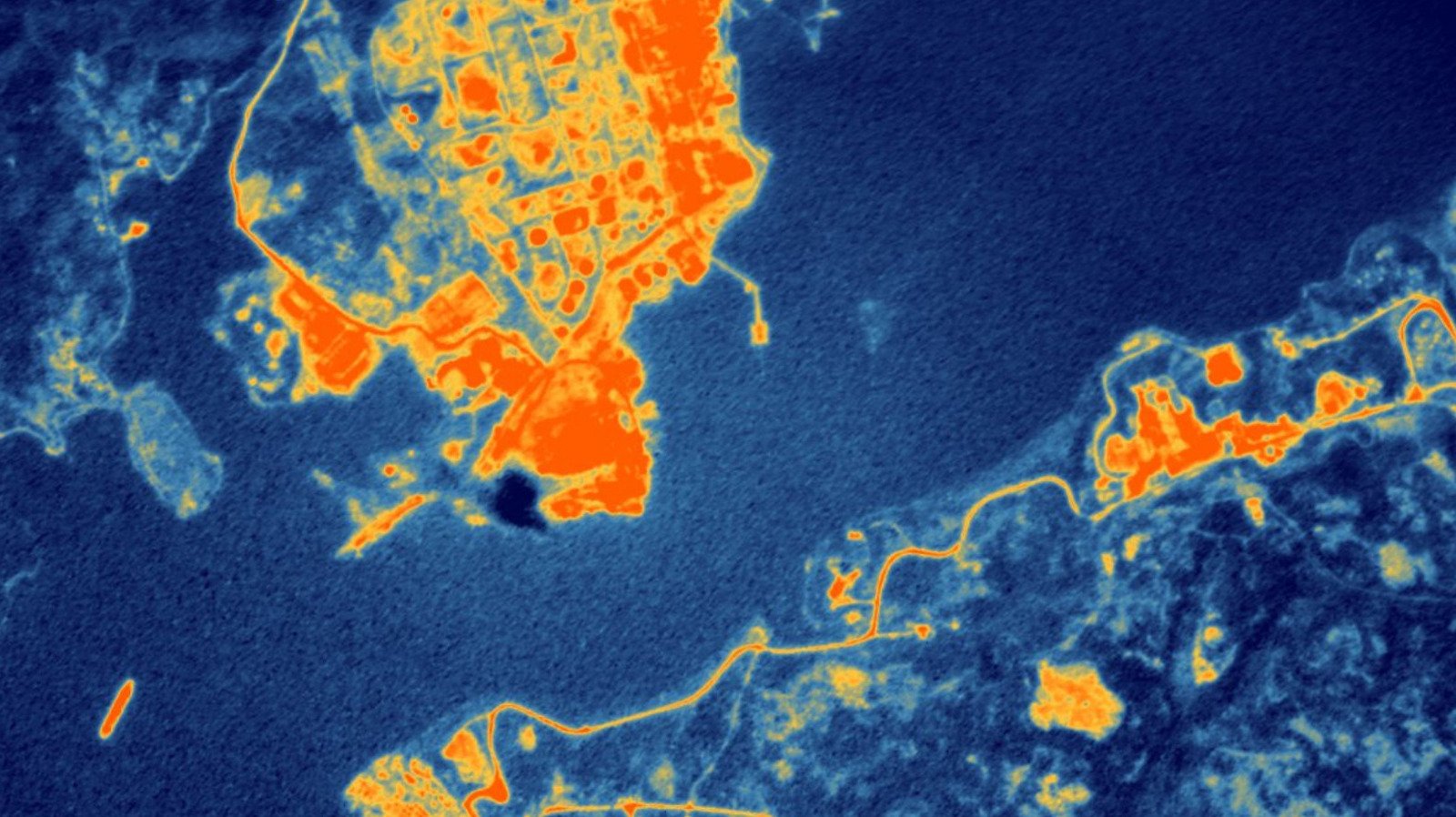
Modern technology often comes with safety concerns, including everything from mobile apps that track your location to traffic cameras that store your personal information. Those concerns also extend to SatVu’s HotSat-2, a thermal imaging satellite currently orbiting the Earth. HotSat-2 can monitor everything from industrial operations to heat patterns in large cities, and it can even detect movement inside buildings. This raises some serious questions about privacy.
HotSat-2 doesn’t work like an X-ray camera that can see through walls, or even everyday tech that can track your activity. But the technology it utilizes has reportedly been used for intelligence missions, including monitoring a nuclear facility in North Korea. SatVu’s capabilities are so precise that the company says its thermal imagery can determine whether specific equipment, such as pumps at a nuclear reactor, is operating or inactive based on its heat signature. The company has also demonstrated the tech’s capability through previous imagery at other locations, including Japan’s Yokosuka Naval Base, the Ruwais Refinery in the United Arab Emirates, and the Albuquerque International Airport in the U.S.
As of this writing, there has been no documented evidence that SatVu has violated anyone’s privacy or personal liberties with its thermal imaging technology. However, the fact that this technology exists and could potentially be used for those purposes is alarming. The company’s stated applications for its satellite technology does include national security, where SatVu says its thermal data can be used to monitor activity, patterns, and anomalies in areas of “strategic importance.”
The evolution of thermal surveillance
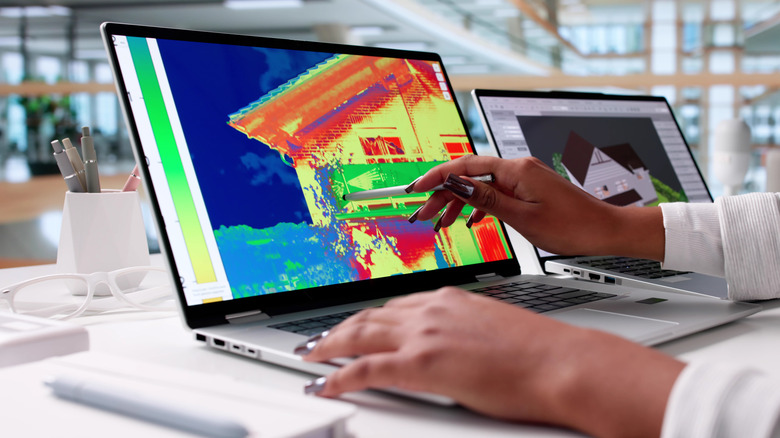
Thermal cameras are used for more than just imaging around your home or garage, and privacy concerns over thermal technology have hit much closer to home than the HotSat-2 satellite. In 2001, the U.S. Supreme Court addressed the privacy implications of thermal imaging in Kyllo v. United States. The case involved federal agents using a thermal imaging device to scan a suspect’s home during a marijuana investigation. The Court ruled that the search violated the suspect’s Fourth Amendment rights because it revealed information about the inside of a private home using a device that wasn’t commonly available to the public. Such an operation would first require a warrant.
Of course, while that case focused on a single home, HotSat-2 represents a much larger application of the same thermal imaging technology. At the time of the satellite’s launch on March 30, 2026, SatVu stated that the satellite’s purpose was to provide insight into the operational status of certain facilities, including power plants, refineries, and transportation hubs. HotSat-2 would serve as the first step of a larger company effort to deploy a constellation of thermal imaging satellites.
On June 29, 2026, HotSat-2 officially transitioned from a tech demonstration satellite to an operational system. The satellite captured thermal imagery at an oil refinery in Cuba, two days before Cuban authorities announced the activity. HotSat-2 also captured thermal signatures at the Sasol Secunda complex in South Africa, allowing analysts to determine the fuel and chemical facility’s operational status.