Trump warns U.S. strikes on Iran could get ‘really bad’ next week
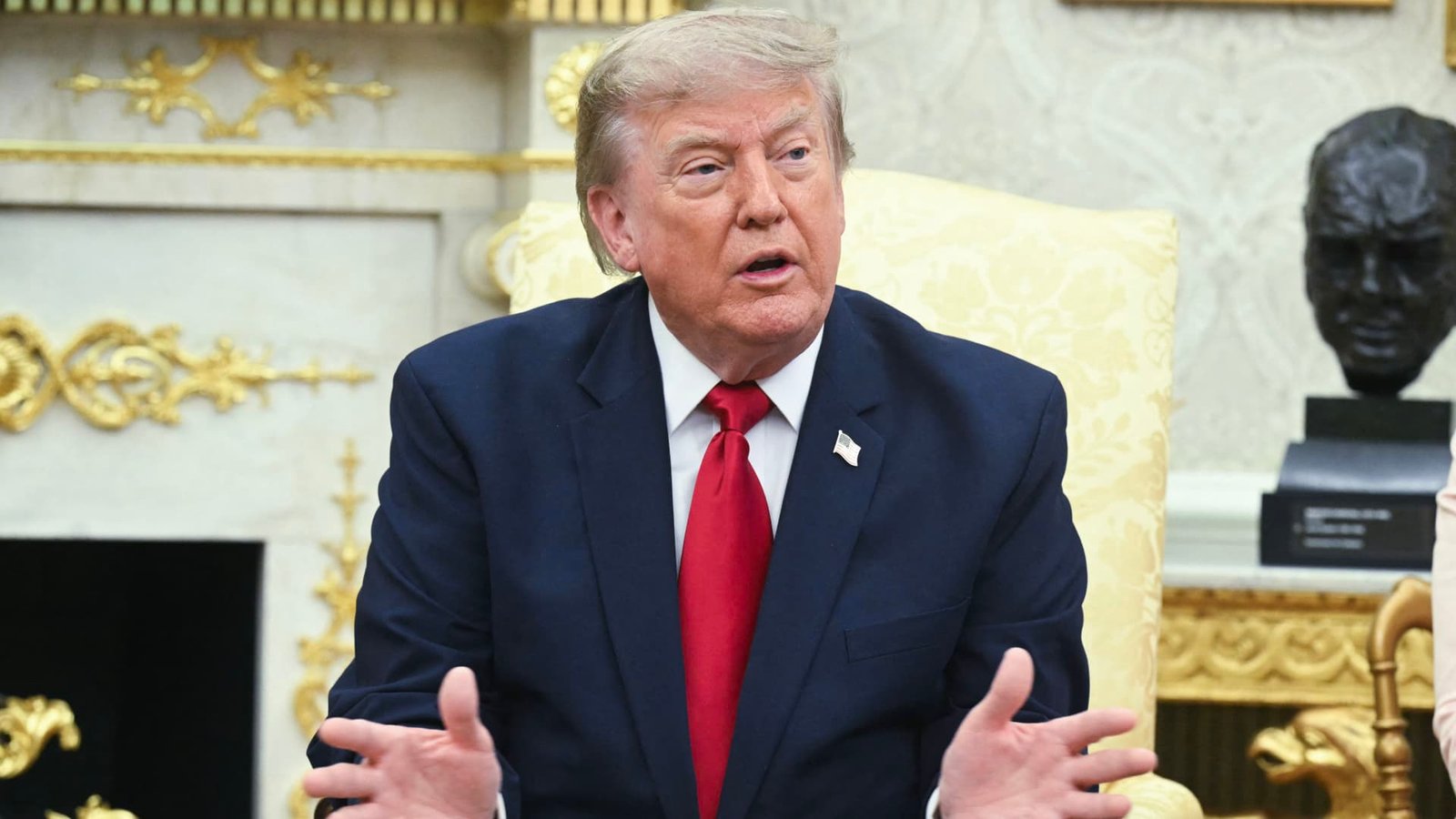
US President Donald Trump speaks during a meeting with Prime Minister of Iraq Ali al-Zaidi in the Oval Office of the White House in Washington, DC, on July 14, 2026.
Saul Loeb | Afp | Getty Images
U.S. military strikes on Iran will intensify next week if Tehran does not cooperate in peace talks in the coming days, U.S. President Donald Trump warned on Tuesday.
In an interview with Fox News on Tuesday evening, Trump hinted that the conflict was more likely to intensify than de-escalate as a fragile ceasefire agreed last month continues to fracture.
“We’re going to hit them very hard tonight,” he said. “We’re going to hit them hard tomorrow night. We’re going to hit them really hard the night after.”
He added that U.S. forces would go on to target key Iranian infrastructure next week without a diplomatic breakthrough.
“Next week it gets really bad for them because next week comes the power plants,” he said. “Next week comes the bridges. We’re going to knock out all their power plants. We’re going to knock out all their bridges unless they get to the table and negotiate.”
Trump’s interview came after the U.S. Central Command carried out more strikes against Iran on Tuesday. Tehran, meanwhile, has launched attacks on multiple Gulf countries.
Trump threatened to impose a 20% levy on cargo shipped through the Strait of Hormuz earlier this week, before abandoning that demand on Tuesday. The president said the Gulf states would invest in the U.S. as repayment instead.

The escalation in fighting comes after the U.S. launched strikes on dozens of Iranian targets last week, in retaliation for commercial ships transiting the Strait of Hormuz coming under attack.
Trump subsequently said the ceasefire between Washington and Tehran was “over.”
Oil prices edged higher on Wednesday morning, as concerns about safe transit through the Strait of Hormuz – a critical oil shipping route in the Middle East – lingered. Front-month global benchmark Brent crude futures held above the $85 per barrel mark.

Speaking to CNBC’s “Squawk Box Europe” on Wednesday, Jakob Larsen, chief safety and security officer at international shipping body BIMCO, said the current situation is “not easy” for the industry to navigate.
“All these messages going back and forth and changing direction completely just adds to the confusion and the complexity of the whole situation,” he said. “If you take a step away and look at it from above, then the overall environment we’re looking at is increased uncertainty, increased risks, and with that comes higher prices.”
Mike Rosenberg, a management professor at IESE Business School, told CNBC over email on Wednesday morning that “it seems we are no closer to a settlement” to end the conflict.
“The current return to war makes it clear that the terms of the Islamabad Memorandum, signed by Trump on 14 June, were unrealistic at the time,” he said. “As long as both sides seek an agreement that allows them to claim victory, I cannot see a positive outcome any time soon.”
Rosenberg said that the best the U.S. can hope for now is “a new version of the joint plan of action that Obama and his team developed years ago,” which he added will be difficult for Trump to accept.
“The Trump administration underestimated Iranian resolve and has no easy way out,” he said. “The most likely outcome is some kind of permanent ceasefire negotiated by Pakistan without any nuclear guarantees, and it is likely that the administration will avoid making that agreement before the mid-term elections.”



![[Korean Startup Weekly News #126] Physical AI Takes Center Stage](https://jobssz.com/wp-content/uploads/2026/07/Korean-Startup-Weekly-News-126-cover-image-1-1-768x432.jpg)