TSMC plans up to 10% price increases on advanced and mature nodes starting in 2027
In brief: As AI-driven component shortages raise product prices at Intel, AMD, Nvidia, Microsoft, Apple, and other companies, TSMC — the source of many of their chips — has kept its prices relatively steady until now.
Sources have informed Nikkei Asia that TSMC plans to raise prices for advanced and mature semiconductor process nodes by up to 10% at the start of 2027. For later orders, prices could increase further, and the hikes could extend to some of the most mature nodes. Since Nvidia, Apple, Google, Amazon, Qualcomm, Arm, MediaTek, and other hardware companies rely heavily on TSMC’s chips, the price hikes could flow downstream toward various products.
Depending on the product, initial increases could range between 5% and 10%. Internal discussions on the matter, which took place between June to July, focused on 7nm and smaller nodes. Making advanced semiconductors more expensive could raise the prices of the latest PCs, smartphones, and other devices.
However, TSMC might also introduce additional hikes ranging from 10% to 15% on top of the initial price increases for orders beyond clients’ original projections. Hikes of up to 10% could also affect 12nm, 16nm, and 28nm nodes, which are often used for sensors and other low-power electronics.
TSMC previously confirmed that it is already struggling to meet demand from companies such as Nvidia, which is racing to build AI chips. The problem impacts not only TSMC’s semiconductor manufacturing efforts, but also equipment suppliers, upstream vendors, and advanced packaging.
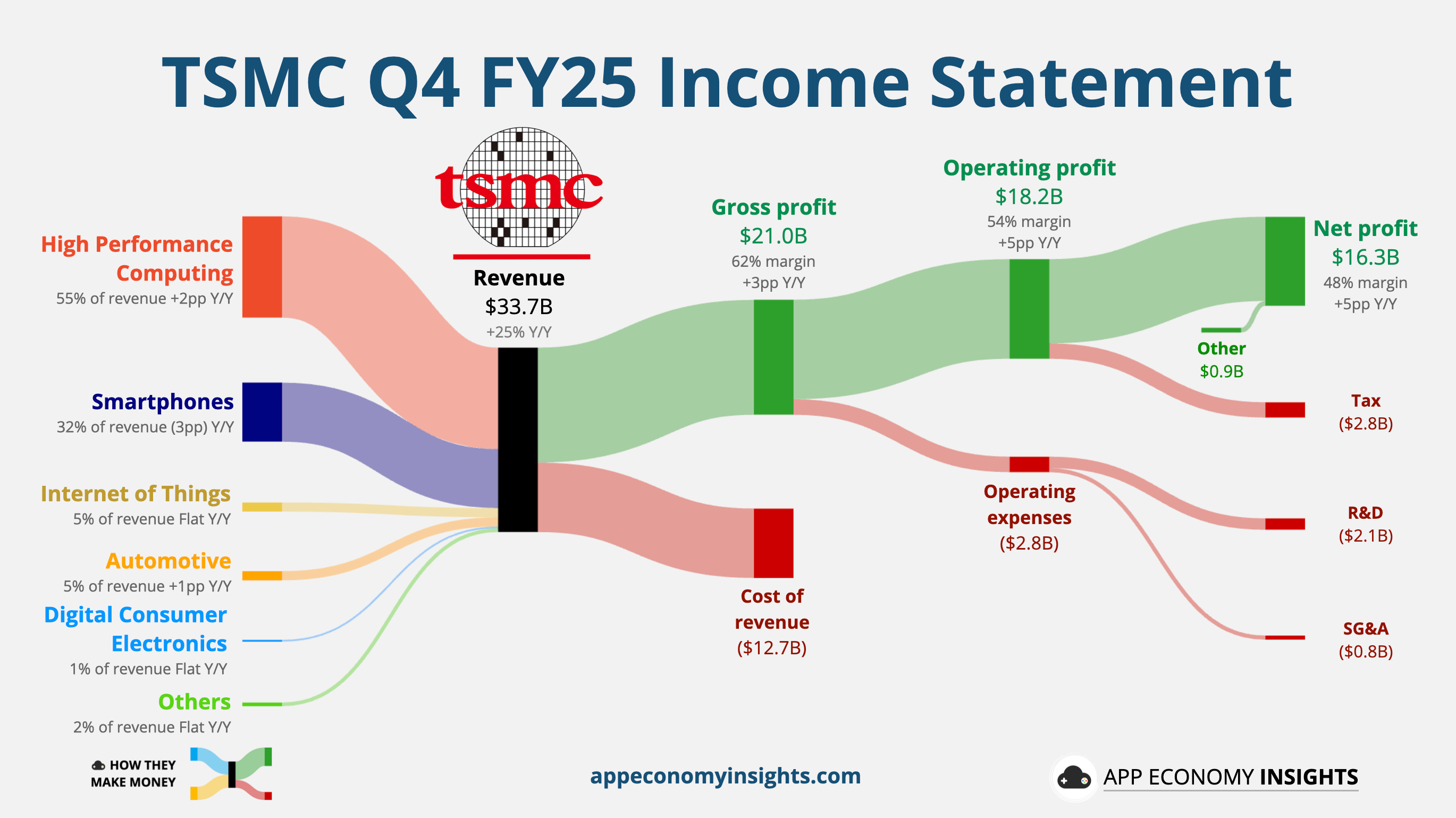
DRAM and NAND suppliers such as Samsung, Micron, and SK Hynix have long struggled to satisfy AI demand. Since last year, these companies have quintupled memory prices, causing their clients to raise prices sharply for RAM, storage, PCs, game consoles, and other products. While TSMC’s chairman expressed envy of other component manufacturers’ growing profit margins, the company is taking a less aggressive approach.
Experts believe these conditions will continue until at least 2028. While increased NAND production capacity might ease the pricing situation next year, companies like Adata and SK Hynix expect DRAM shortages to continue into the next decade.
Much will depend on the continuing demand for AI applications, which some say have yet to become an essential resource. For example, a recent analysis estimates that by 2030, OpenAI will miss its advertising revenue targets by 90%.