What the FCC ban on foreign-made robot vacuums means for your Roomba

Follow ZDNET: Add us as a preferred source on Google.
ZDNET’s key takeaways
- The FCC has banned the sale and import of foreign-made robotic devices and power inverters.
- The ban includes vacuums and lawn mowers from the world’s largest robot manufacturers.
- Robots previously imported into the US are unaffected.
Did the FCC just tell US consumers, No more Roombas for you?
The Federal Communications Commission has banned the sale and import of foreign-produced robotic devices and power inverters as part of the Trump administration’s AI Action Plan. The FCC claims that advanced robotic devices, such as robot vacuums and robot lawn mowers, pose a cybersecurity risk to US consumers.
As with the FCC’s sweeping ban on foreign-made routers this May, the agency argues that humanoid and consumer robots, including robot vacuums, robot mowers, and delivery robots, could be used for surveillance and other harmful activities.
Also: OpenAI’s rogue agent didn’t stop at Hugging Face – here’s what we know
More specifically, the ban applies to advanced robotic devices that move on the ground and navigate their surroundings, weigh more than 4.4 pounds (with a charger, if applicable), have sensors, or use software, AI, firmware, or a wired or wireless connection.
The FCC is also claiming that American reliance on these foreign-made robots poses a supply chain vulnerability, which could become a national security threat. Analyzing the FCC’s documentation, it seems the primary focus isn’t on evaluating which cybersecurity threats these robots pose to the US as a whole. Rather, the ban focuses on where these products are designed, manufactured, assembled, and tested, and on whether companies commit to expanding manufacturing in the US.
Also: Google Earth added Nano Banana, and I immediately reimagined Philly with zombies and evil clowns
Robot vacuum manufacturers will need an FCC waiver to import and sell future models in the US. In the worst-case scenario, some brands may stop introducing as many new products in the US, especially if meeting the requirements isn’t economically viable for them. Most likely, however, new models may arrive later and cost more.
Does this apply to my current robot vacuum?
Consumers don’t need to worry about losing or having issues with their current robot vacuum or mower. This FCC ban will impact manufacturers and some retailers, who could face delays and higher costs due to the requirement to obtain a waiver.
Current robot vacuums and mowers can continue to be used, as they were previously imported and approved by the FCC. Companies can also continue supporting existing models, including those with LiDAR sensors, cameras, and AI software.
Also: Narwal Flow 2 review: The robot vacuum that finally perfected obstacle avoidance
This FCC ruling, however, means that future robot vacuums and mowers could become more expensive or face scarcity.
Should I buy a robot vacuum now?
You don’t need to panic-buy a robot vacuum, but you should keep a few things in mind if you are in the market for one.
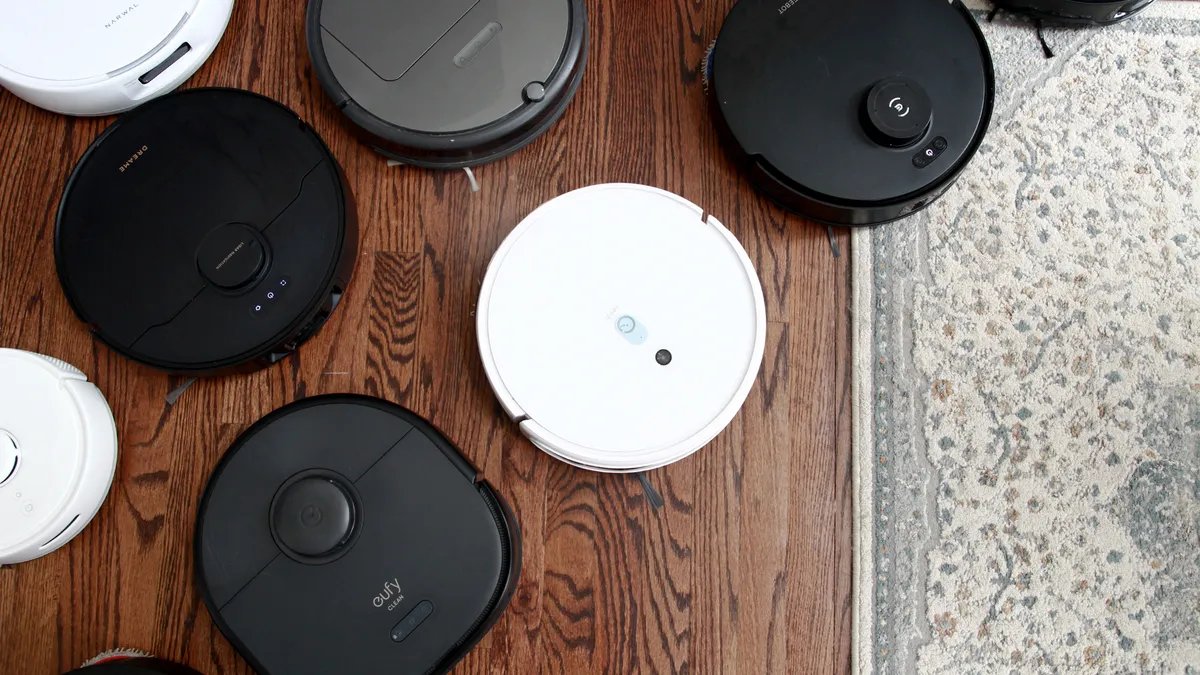
Most of the world’s robot vacuums are made in China or heavily rely on Chinese supply chains in one way or another. This includes brands like iRobot, Roborock, Ecovacs, Dreame, and Narwal. Even Matic, which assembles its robots in California, relies on imported Chinese parts.
Companies that manufacture these robots must apply for a waiver for new devices being sold or imported in the US, but that doesn’t include what is already on store shelves — online or otherwise.
Also: I tested the Roborock Saros 20, and I’d trust it for the next decade
The new ban does not apply to current inventory at most major US retailers, which is already FCC-approved. As a result, you can still purchase robot vacuums and robot mowers currently listed for sale on Amazon and other retailers.
ZDNET has reached out to the FCC and industry experts for input.