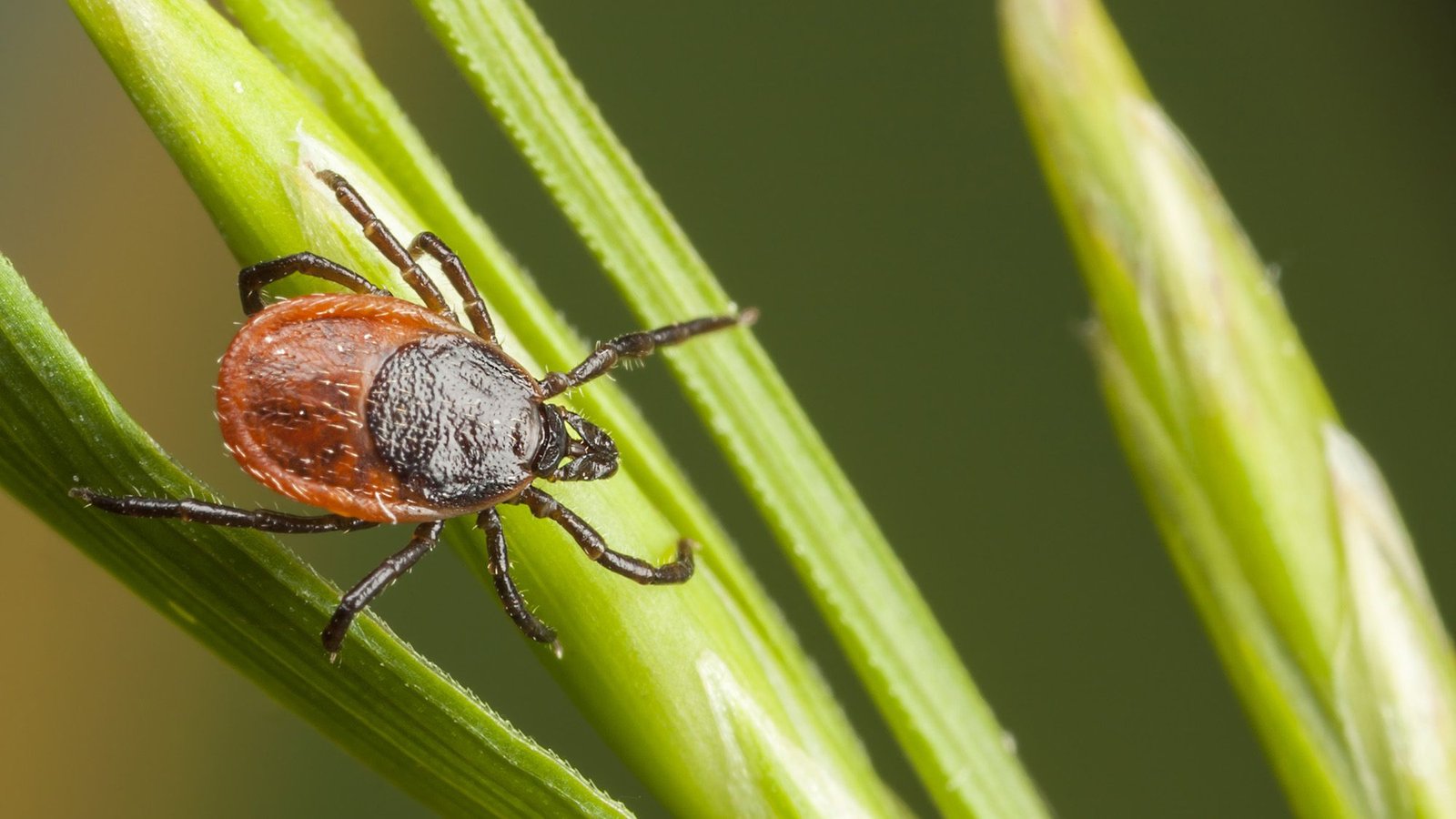
Why a simple lint roller is my secret weapon against ticks
I spend as much time outdoors as I can during the summer, but over the last few years, a shift happened on my local trails and even in my own backyard. Milder winters and booming wildlife numbers have sent tick populations surging to record highs.
Like most people, I used to rely entirely on standard bug spray and a quick visual check after getting home. But after finding a tiny nymph tick crawling up my leg after a walk around the neighborhood, I realized skin checks alone aren’t enough.
Now, my single best line of defense isn’t an expensive chemical spray or staying locked indoors, it’s a cheap, sticky lint roller I leave right by the front door.
Latest Videos FromTom’s Guide
How ticks find you (and why you won’t feel them)
Ticks don’t jump or fly; they sit on the tips of tall grass and low brush, waiting for a person or pet to brush past so they can cling on.
Once they hitch a ride on your clothes, they rarely bite right away. Instead, they can spend anywhere from 30 minutes to two hours crawling upward, seeking warm, dark spots like the back of your knees.

During the summer, the vast majority of tick-borne infections are caused by nymphs, immature ticks that are roughly the size of a poppy seed. Because they are so small, crawling nymphs are nearly impossible to feel on fabric and easy to miss with the naked eye.
The 10-second front-door hack
Before I even take off my shoes or step further than the front mat, I keep a high-tack lint roller sitting right by the door. I take ten seconds to thoroughly roll it over my socks, trousers, sleeves, and jacket before heading inside.

The sticky adhesive grabs those tiny, unattached nymphs right off the fabric long before they can crawl onto my skin.
If you’ve had your dog out with you, give them the exact same treatment at the threshold. Running the roller along their legs, belly, and back lifts away any hitchhikers hiding in their topcoat before they can track them onto your furniture or rugs.
Ticks love moisture and shade. Keeping lawn grass short, clearing leaf litter, and creating a 3-foot woodchip or gravel barrier between your lawn and wooded areas drastically reduces tick numbers near your home.


![[Monitor] Samsung 27” Odyssey OLED G5 (G50SF) 1440p 180Hz – $299.99](https://jobssz.com/wp-content/uploads/2026/07/1784588903_wyRlnnC4nIHWRfWMUIBnHvHMsP98N9mROJtKXbnwKWI.png)