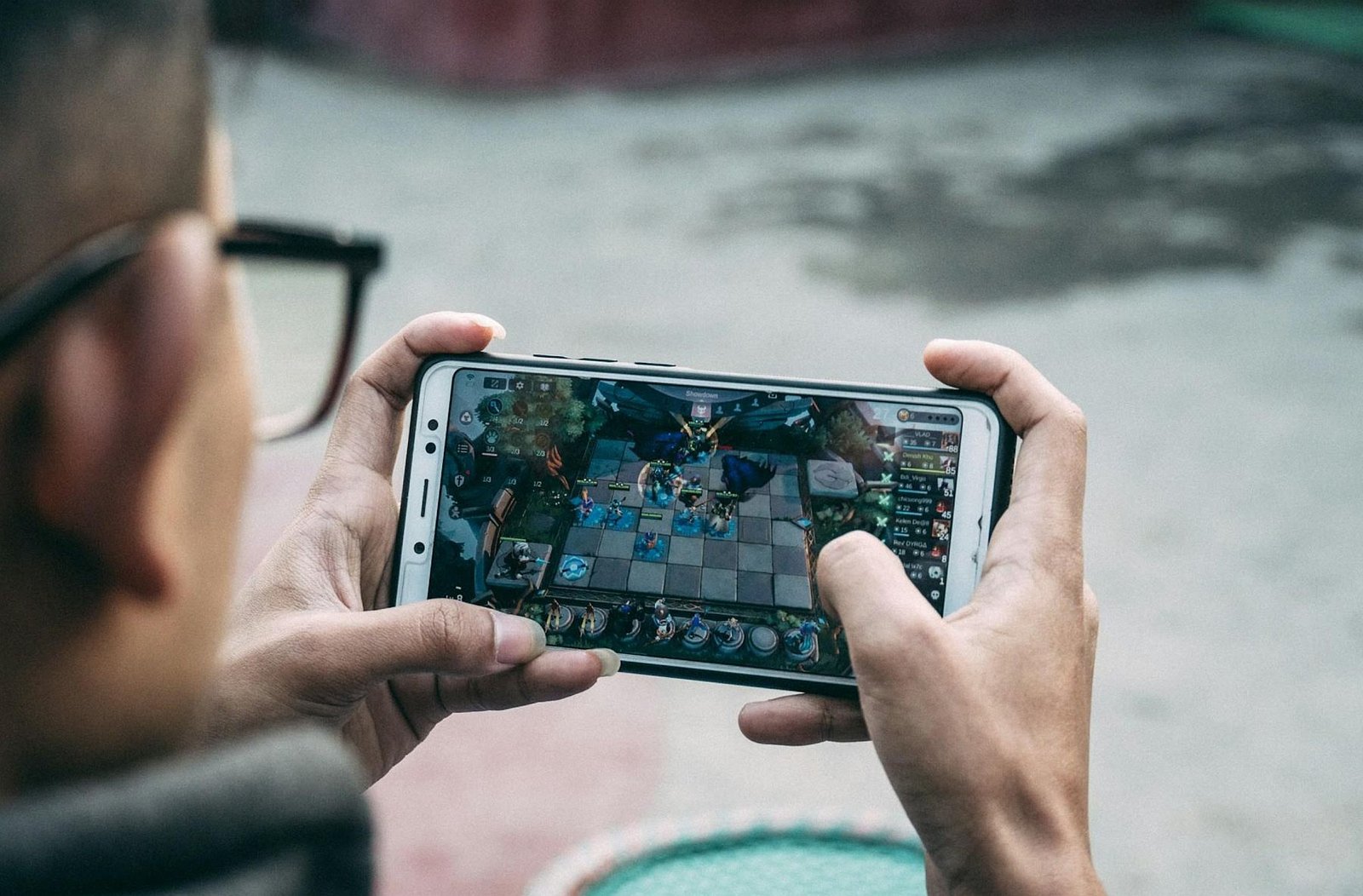
Why Mobile Esports Is Outgrowing Traditional PC Gaming
For years, pro gaming had a pretty clear look: a juiced-up rig, a clacky mechanical keyboard, and a player locked in front of a 240Hz screen. Counter-Strike, Dota 2, and League of Legends ran the show without much argument. Fast forward to 2026 and the whole scene’s been flipped on its head. There’s a new contender in the mix, and it slips straight into a pocket.
Mobile esports, driven by titles like Mobile Legends: Bang Bang (MLBB), Honor of Kings, and PUBG Mobile, isn’t playing the “little brother” role anymore. It’s come into its own—and it’s swinging hard enough to rattle the old guard.
The Numbers Game Has Completely Flipped
Prize pools are where it really hits home. In 2024, total payouts in mobile esports pushed past the half-billion mark for the first time. By 2025, MLBB alone was throwing around more than $80 million across its global circuit, lining up with what top PC titles used to pump out in their prime. PUBG Mobile wasn’t far off either, with its World League finals pulling crowds that’d make a Dota 2 organiser nervous.
At the same time, the classic PC heavyweights have started pulling things in a bit. Viewership’s dipping across Europe and North America, while mobile events in Jakarta, Manila, and São Paulo are filling out 50,000-seat stadiums like it’s nothing.
How Mobile Casinos Found Their Groove
The mobile gaming boom did not just affect esports. It completely reshaped the online casino space as well. A decade ago, most punters assumed you needed a laptop or a desktop to get a proper session going. Downloading software, sitting at a desk, clicking through clunky interfaces – that was the standard.
Smartphones changed the game entirely. Today, any Australian online casino worth its salt puts mobile experience front and centre. For punters chasing guides and the latest news on all this, the resource https://australiacasinopokies.com/ lays everything out clearly. Game breakdowns, payout structures, bonus systems – no fluff, just solid info.
The real surprise is that there has been no big swing back to computers. No “return to desktop” movement. Once players got used to tapping a screen on the bus or during lunch break, the idea of booting up a clunky laptop felt like a step backwards. An Aussie online casino that does not run perfectly on a phone might as well not exist. The market voted years ago, and the vote was mobile.
- Better optimisation: Modern mobile sites load faster and run smoother than most desktop versions from five years ago
- Touch-first design: Buttons are bigger, menus are simpler, and everything works with a thumb tap
- No download required: Most platforms run straight through a browser, killing the need for heavy software
- Quick sessions: Players jump in for five minutes or five hours – the phone handles both
So no, there has been no noticeable backslide toward laptops or desktops. The convenience of a device that lives in a pocket beats the raw screen size of a computer every single time.
The Asian and South American Takeover
Here’s the reality check hitting leagues in Europe and North America. Mobile esports didn’t take off there first—it blew up across Southeast Asia and South America, not because the tech showed up earlier, but because the crowd was already locked in. Hundreds of millions of young players came up with a smartphone as their main screen. A gaming PC was never part of the picture.
MLBB became a national obsession in Indonesia and the Philippines. Honor of Kings pulls numbers in China that Western games can only dream about. Free Fire, a battle royale built specifically for low-end phones, dominates Brazil and India. These regions now dictate the direction of the entire industry.
European organisations that brushed off mobile for years are now in a mad scramble to catch up. They’re snapping up rosters, locking in streamers, and trying to build a following in markets they barely get. Meanwhile, crews out of Jakarta and Manila roll into world championships backed by home crowds that sound more like a full-blown rock gig.
What PC Esports Still Does Better
None of this means the classic PC scene is dead. Far from it. CS2 still delivers tactical depth that no mobile shooter has matched. League of Legends offers mechanical complexity that touchscreens struggle to replicate. The keyboard and mouse combo remains superior for precision and speed.
Mobile esports also faces real problems:
- Hardware limitations: Even high-end phones overheat during long sessions
- Input disadvantages: Touch controls simply cannot match the speed of a mouse for certain actions
- Spectator experience: Watching a mobile game on a big screen can look cluttered and messy
- Competitive integrity: Cheating and emulator use remain ongoing headaches for tournament organisers
But here is the kicker – these issues are shrinking every year. Phones get faster. Developers get smarter. The gap between mobile and PC is closing, not widening.