Wildfire Smoke Can Attack Almost Every Part of Your Body – Not Just Your Lungs : ScienceAlert
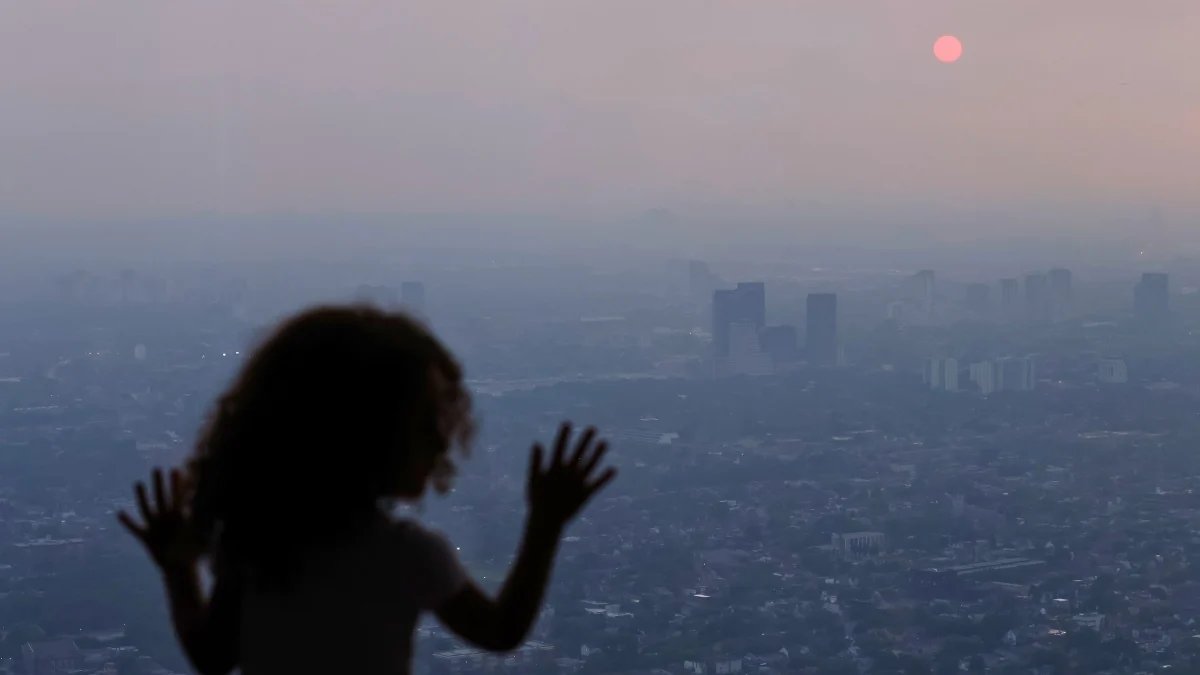
This past week, a child stood on the observation deck of Toronto’s CN Tower and looked out at a city skyline blurred by haze.
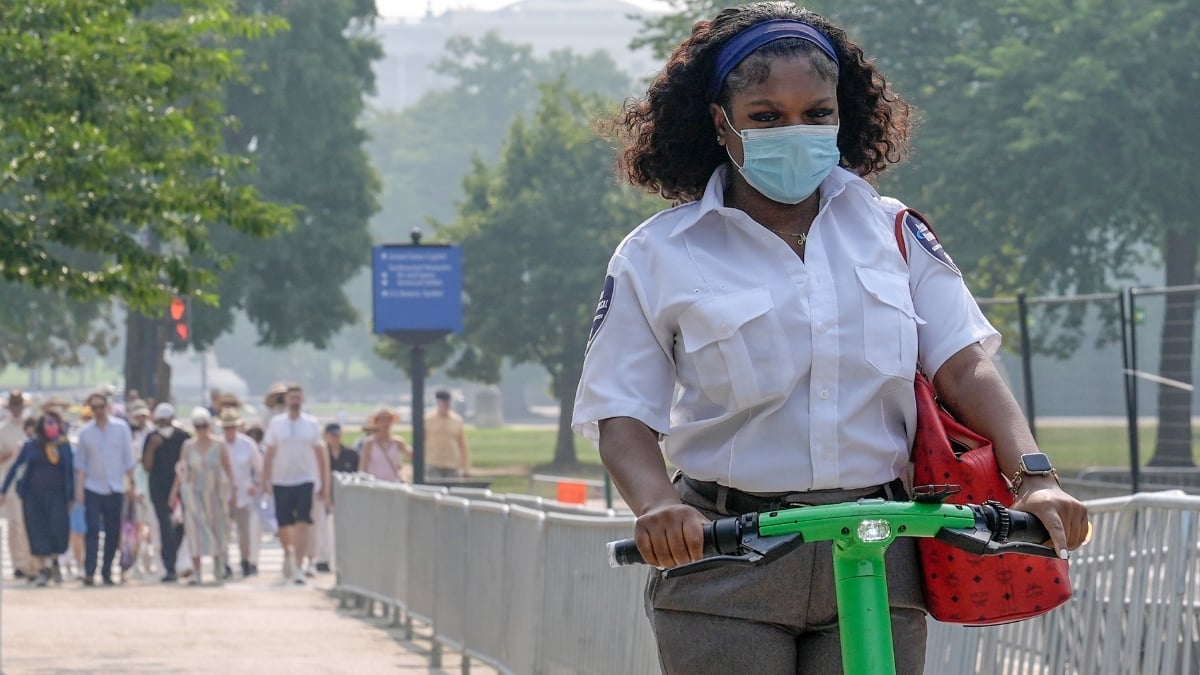
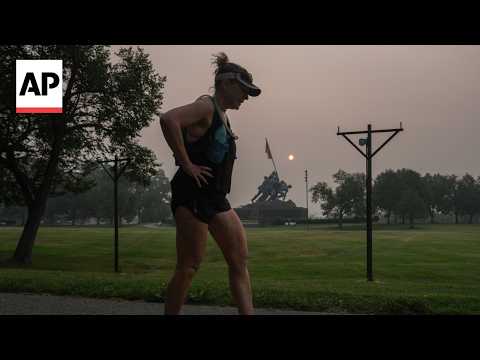
Hundreds of miles away, National Guard troops patrolled a smoke-dimmed National Mall in Washington, and commuters pulled on masks.
Smoke drifting south from Canada’s wildfires has become an almost annual visitor to American skies. None of these scenes look that unusual these days.
What’s perhaps less familiar is how it’s impacting our health beneath the surface – inside hearts, lungs, brains, and even developing fetuses.
Wildfire smoke can deliver a cocktail of harmful air pollutants, including PM2.5, NO2, ozone, aromatic hydrocarbons, and lead.
It is killing tens of thousands of people a year.
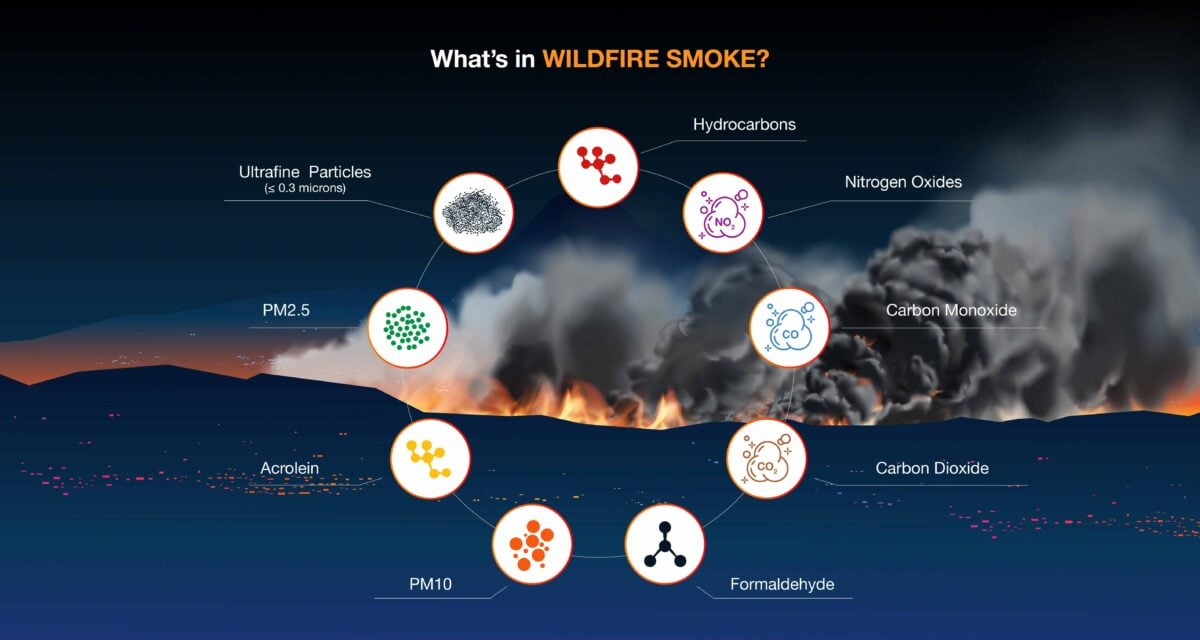
Particulate matter in smoke can irritate eyes, noses, and throats, and it can travel deep into your lungs when you breathe. This can damage the lungs and make breathing difficult.
Small particles in the lungs can travel from there into the bloodstream – and their effects can persist after the visible haze is gone.
In a recent paper published in the European Heart Journal, scientists studying the effects of wildfire smoke on the brain and blood vessels found that “chronic exposure to wildfire smoke PM2.5 increases stroke risk in older adults”.
“Wildfire smoke is not only an immediate breathing hazard,” says environmental health scientist Yang Liu from Emory University in the US.
Research shows more people experiencing heart attacks and other cardiovascular issues, alongside a surge in mental health crises.
“Your whole body is affected,” Liu told Naomi Mihara at Deutsche Welle.
“Wildfire smoke causes oxidative stress to your system and exacerbates or accelerates the development of diseases.”
Part of the danger is what’s actually inside the plume. When flames reach a built-up town or city, the smoke is no longer just from burnt vegetation.
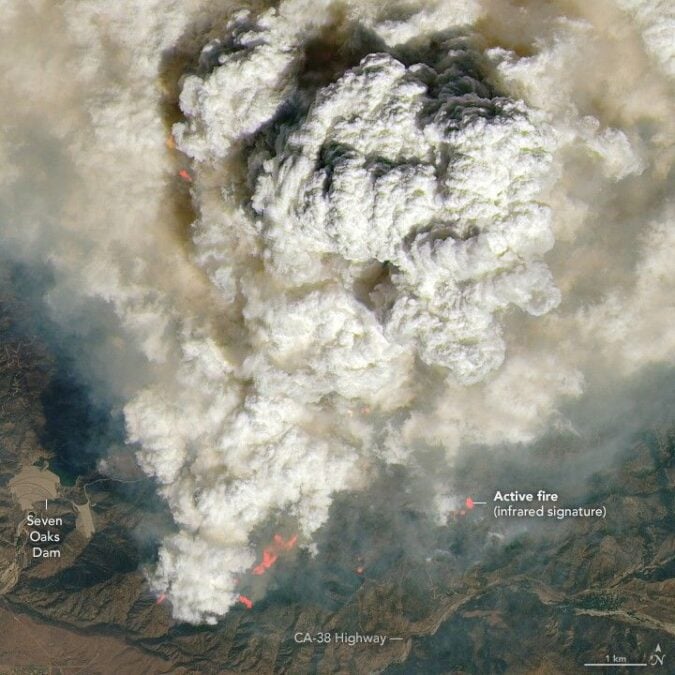
“We sometimes see smoke in the air hundreds of miles away from a wildfire,” said Aubrey Miller, an environmental disasters expert at the National Institutes of Health.
“Think about what’s burning: plastics, heavy metals, arsenic. These can cause a whole series of other hazards for the community.”
The acute effects are only the beginning.
PM2.5 particles have been linked to chronic disease, including autoimmune disease.
Smoke exposure during pregnancy raises the risk of premature birth and low-birth-weight babies, and longer-term exposure has been linked to some cancers.
“Our results also suggest that there is no apparent safe threshold for smoke exposure,” says Liu.
“That means even ‘moderate’ recurring smoke could matter, not just extreme events.”
frameborder=”0″ allow=”accelerometer; autoplay; clipboard-write; encrypted-media; gyroscope; picture-in-picture; web-share” referrerpolicy=”strict-origin-when-cross-origin” allowfullscreen>
According to the National Interagency Fire Center, more than 3.8 million acres of the US have already burned this year, and the amount of US land burned annually is now more than double what it was three decades ago.
The scale of the toll is already staggering, and the researchers tracking it don’t sound optimistic about where it’s headed.
“Our understanding of who is vulnerable to this exposure is much broader than we thought,” said Marshall Burke, an environmental economist at Stanford University.
In a 2025 study published in Nature, Burke and colleagues at Stanford University estimated that 1.9 million excess deaths from PM2.5 smoke could occur between 2026 and 2055.
“It’s pregnant people, it’s kids in schools, it’s anyone with asthma, it’s people with cancer,” Burke said when the research was published.
“We look at one specific health outcome in this study – mortality – and unfortunately find a shared burden of exposure for individuals across the US.”

A study published this year in Science Advances made a conservative estimate of more than 24,100 deaths a year in the contiguous US between 2006 and 2020, from long-term exposure alone.
“That’s a big number,” lead author and environmental epidemiologist Min Zhang, of Mount Sinai’s Icahn School of Medicine in New York, told AFP.
“We found no evidence of a safe threshold for the chronic exposure to wildfire smoke…that’s a very concerning public health problem.”
Most people who struggle through a smoky week don’t end up as a statistic. But many don’t escape unaffected.
Coughing, chest tightness, sore throats, headaches, and brain fog can linger well after the fire has moved on.

Some concerning findings are also less obvious.
Researchers think smoke exposure could cause cognitive issues, and there is emerging evidence for an association. Meanwhile, at least one study has found a link between depression and PM2.5 exposure.
Related: LA Fires a Catastrophic Example of Study’s ‘Hydroclimate Whiplash’ Warnings
There are ways to lessen the impact.
Experts suggest finding a clean-air space – a designated shelter or even a library, wearing a high-quality mask outdoors (although it won’t offer perfect protection), and checking that windows, doors, and home ventilation systems are actually preventing outside air from coming in.
This article was fact-checked and edited by Fiona MacDonald. While we pride ourselves on our process, we are only human. If you spot a mistake, please let us know.