Xiaohongshu’s Hong Kong IPO plans face scrutiny after complaint about corporate structure
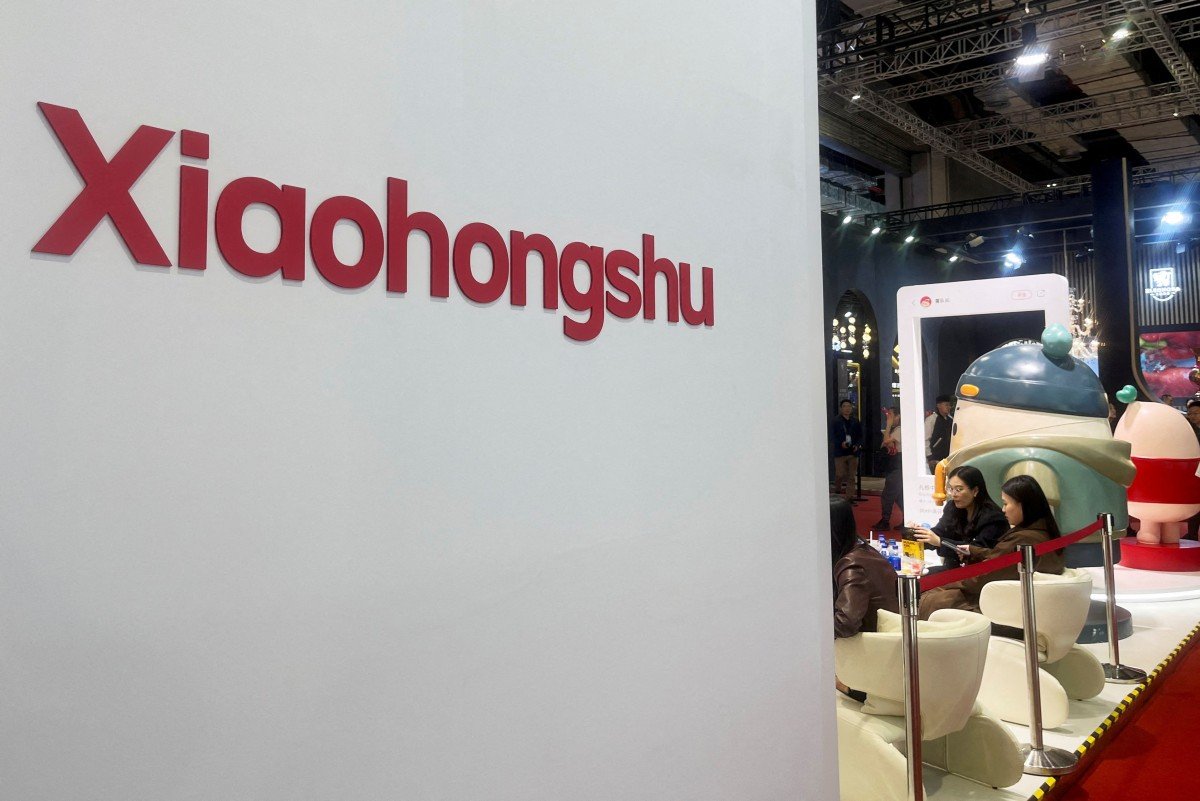
Xiaohongshu, China’s Instagram-like social media platform, faces scrutiny over any plans to go public in Hong Kong, after a former employee filed a complaint, accusing it of inconsistencies in how it describes its corporate structure.
The firm, also known as RedNote, has hired advisers for a potential Hong Kong IPO, sources have said.
The complaint centres on Xiaohongshu’s variable interest entity (VIE) structure, a structure widely used by Chinese tech companies keen to list outside mainland China so that they can tap foreign capital. Foreign investors otherwise face many restrictions when investing in mainland Chinese tech companies.
Under a VIE arrangement, foreign investors hold shares in an offshore company that controls a China-based operating business through contracts rather than via direct equity ownership.
The case has broader implications because while many tech firms such as Alibaba, JD.com and NetEase have used the VIE structure to list outside mainland
China in the past, alternative corporate structures such as VIE appear to be increasingly frowned upon by Chinese authorities. Any more scrutiny could further dampen foreign investor access to Chinese technology companies.
Dispute over compensation triggers legal debate
Chen Hao, a former Xiaohongshu ad sales executive, filed a complaint with Hong Kong’s stock exchange in June and followed that up with a social media post about the issue this month.
He claims that after the company terminated his employment, Xiaohongshu argued its domestic and offshore entities were separate and that the mainland firm had no obligation to pay out share options that had been given to him by the offshore entity.
He said this was difficult to reconcile with disclosures typically made during the listing process by firms using a VIE structure, as an offshore holding company needs to demonstrate it exercises contractual control over a mainland operating business.
Any future listing disclosures would be expected to explain that relationship, Chen added.
Xiaohongshu told Reuters that media reports it had confidentially filed for a Hong Kong listing in late June were not true. Reports that its IPO process had been hindered by a former employee complaint were also not true, it said. It did not answer questions about future listing plans.
The Hong Kong stock exchange declined to comment. The city’s Securities and Futures Commission did not respond to a request for comment. Chen also declined to comment beyond his social media post.
Alternative corporate structure on the wane
Chen’s complaint highlights a longstanding ambiguity at the heart of the VIE framework. According to legal experts, it’s designed to satisfy regulators that the company is Chinese controlled and therefore complying with Chinese foreign investment restrictions, but works to convince foreign investors that they have invested in the controlling entity.
And while the Hong Kong stock exchange has traditionally relied on legal opinions affirming that VIE structures comply with Chinese law, Chen’s complaint could complicate that practice, they add.
“It’s ambiguous … It has to be ambiguous because it’s used to achieve two conflicting purposes,” said Robin Huang, a law professor at the Chinese University of Hong Kong and author of a book on China’s regulation of cross-border listings.
“No matter when Xiaohongshu attempts to IPO, this issue has to be dealt with … Previously, nobody made that (ambiguity) crystal clear, but this time, you made that clear; you put that on the table, now you cannot pretend not to see it,” he said.
Worried about maintaining Chinese control of key companies, Chinese authorities have been cracking down on so-called red chip companies that want to use offshore holding firms to tap foreign capital, either via direct equity ownership or through contracts like the VIE structure.
This year, there has been only one VIE-structured listing in Hong Kong so far Hangzhou-based Manycore Tech, an AI-powered cloud-based 3D design firm.
Reuters