Similar Posts
‘It affects your daily life suddenly’: Sea level researcher explains why once-in-a-century floods could become the new normal
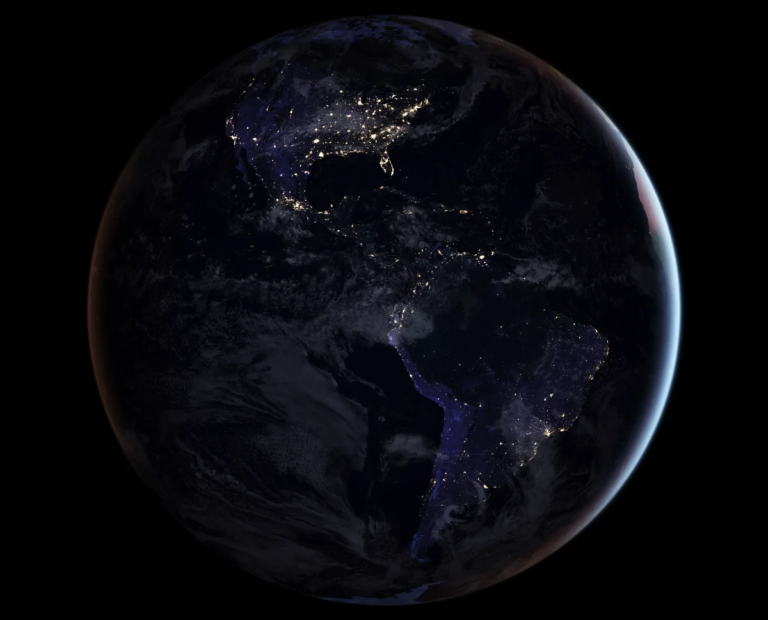
Extreme coastal flooding events are occurring far more frequently in our warming world than ever before, threatening countless communities that will only become more vulnerable as climate change intensifies. A recent study found that once-in-a-century flooding events now strike on our planet about once a decade. The study, published June 10 in the journal Nature…
Do AI writing detectors actually work? We put 5 to the test.
Get the Popular Science daily newsletter💡 Breakthroughs, discoveries, and DIY tips sent six days a week. By signing up, you confirm you are 16+, will receive newsletters and promotional content and agree to our Terms of Use and acknowledge the data practices in our Privacy Policy. You may unsubscribe at any time. Whether you’re marking…
How the American Public Really Feels About the Booming Space Economy in 2026
In democracies, opinion polls are one of the most common ways to measure public and therefore political support for an issue. Because space exploration is still closely tied to the government policy and funding, public opinion can play an important role in shaping America’s space priorities. In May 2026, Global Strategy Group (GSG) surveyed 1,000…
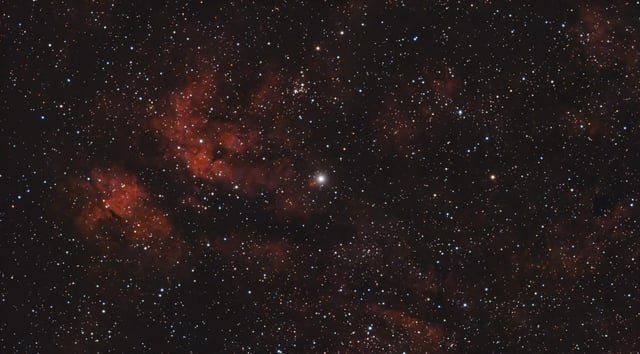
Sadr region
Sadr region with dwarf mini 144 exposures per panel 30 secs 2×2 mosaic stacked and processed in stellar studio submitted by /u/LeatherMobile8928 [comments]
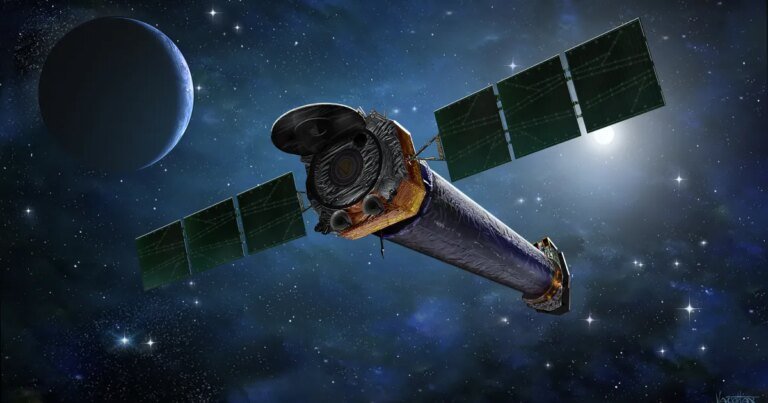
July 23, 1999: Chandra X-Ray Observatory launches
Back to Article List Today in the history of astronomy, NASA’s flagship for X-ray astronomy heads for space. The Chandra X-ray telescope, seen here in an artist’s rendition, has continued to return observations in the 27 years since its launch. Credit: NASA/James Vaughan On July 23, 1999, the Chandra X-Ray Observatory launched aboard the Space…
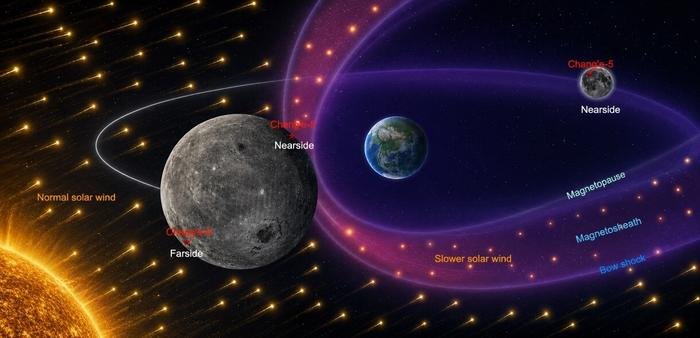
Chang’e-6 Samples Provide an Ancient Record of the Moon’s Far Side.
Samples obtained by China’s Chang’e-6 mission are revealing a great deal about the Moon’s far side. The study of these rock and regolith samples is not only shedding light on the far side’s geological history, which differs from that of the near side, but also on how the two halves of the Moon have interacted…