Amazon Leo files for FCC approval to deploy 5,105 satellites for direct-to-smartphone service
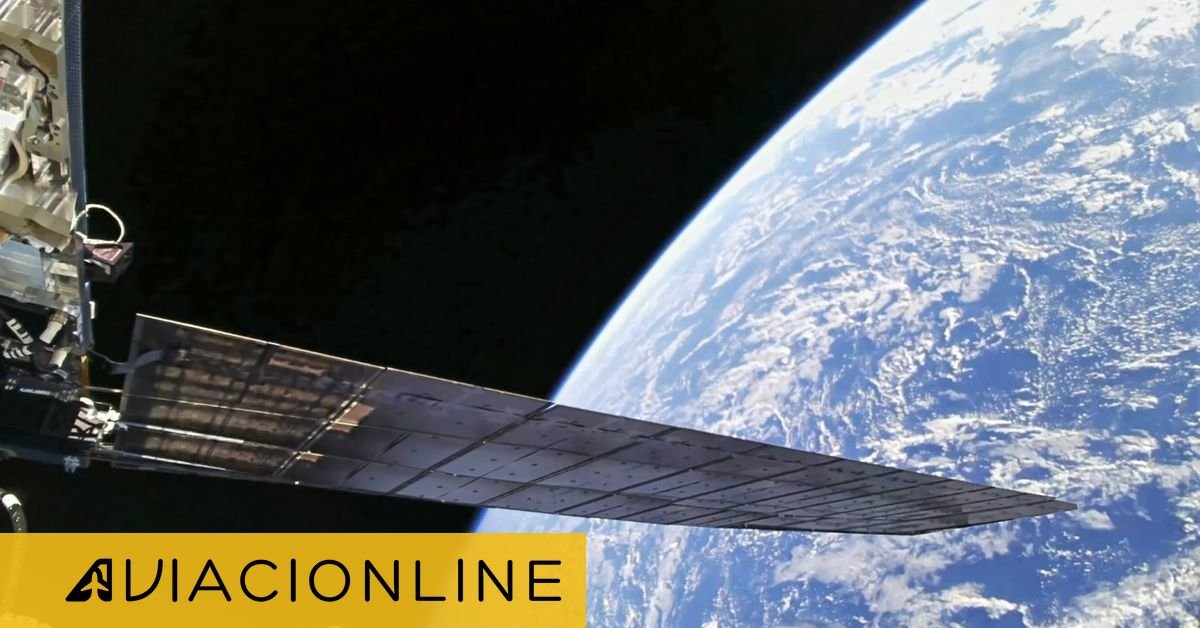
Amazon Leo has filed a formal application with the U.S. Federal Communications Commission (FCC) to deploy and operate a constellation of up to 5,105 low Earth orbit satellites, designed to provide voice, messaging, data and emergency call services directly to standard smartphones and mobile devices in areas without terrestrial cellular coverage, with launches expected to begin in 2028.
The system, called Amazon Leo Direct-to-Device (D2D), will operate in conjunction with the infrastructure and Mobile Satellite Services (MSS) spectrum licenses of Globalstar, a company Amazon agreed to acquire last April, according to information provided by the company in its regulatory filing. The network will operate complementarily with Leo‘s first and second-generation broadband constellations, as well as with Globalstar‘s HIBLEO and C-3 systems, the company said.
The company will distribute the new space fleet across five orbital layers, located at altitudes between 510 and 580 kilometers, configured to serve different geographic demands. Three mid-latitude layers will cover urban and higher-density population areas with inclinations of 55.7°, 58.2° and 56.3°, while two high-inclination layers, positioned at 73° (high latitude) and 84° (near-polar), will extend the signal toward the polar and remote regions of the planet, Amazon Leo detailed.
The satellites will communicate with standard mobile devices through radio frequency links in the L and S bands, while the connection between the space fleet and ground stations will use high-capacity links in the Ka and V bands, the company reported. Unlike traditional bent-pipe satellites, the new platforms will process signals directly in orbit and use laser-based inter-satellite optical links to manage traffic routing in space.
To optimize spectrum usage and avoid interference, the network will employ digital beamforming and beam-hopping, directing energy where demand exists and containing the signal within assigned channels. It will also integrate dual polarization reception to capture transmissions in two simultaneous orientations from low-power phones, along with an adaptive modulation and coding scheme that adjusts data rates in real time based on link conditions, the company noted.
On the commercial side, the D2D infrastructure will operate in coordination with telecommunications companies such as Vodafone, DirecTV, South Africa’s Herotel and Australia’s National Broadband Network (NBN), in addition to the confirmed collaboration with Apple to support satellite features on compatible iPhone and Apple Watch models, the company stated. Each space platform will have an operational lifespan of between six and eight years and will feature propulsion tanks designed to depressurize rather than explode in the event of orbital debris impacts, ensuring controlled deorbiting at the end of its service life, the company explained in its official documentation.