July 2026: Astro Letters
Astronomy’s editors respond to reader email.
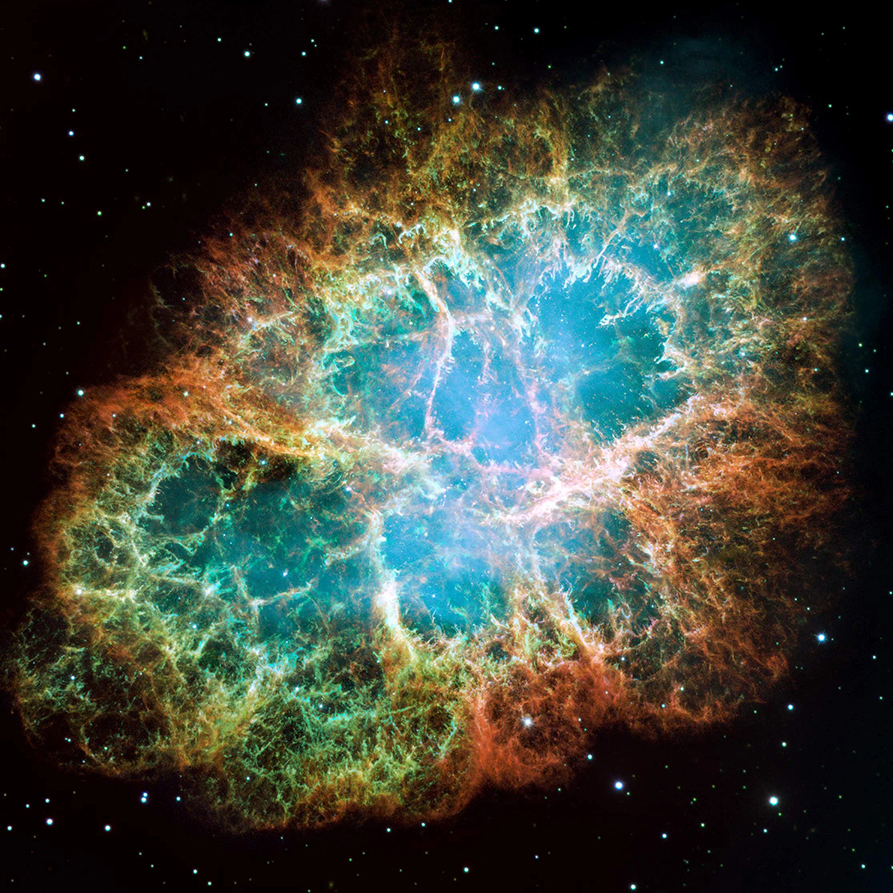
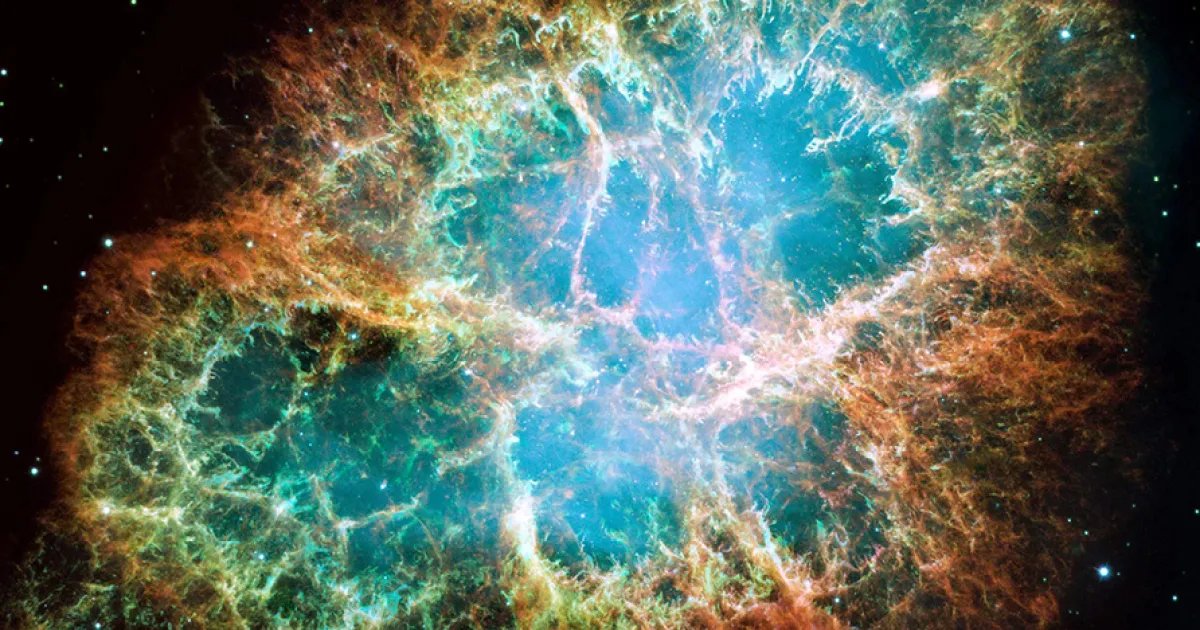
We say the Crab Nebula was born in 1054, but it actually was created 6,500 years before that. Credit: NASA, ESA, J. Hester and A. Loll (Arizona State University)
Nebulous age
In the Ask Astro column of the April 2026 issue is a photograph of planetary nebula NGC 6302. The caption says that NGC 6302 lies about 3,800 light-years away and is a relatively young nebula at about 2,200 years old. What am I missing? How did the light from a 2,200-year-old nebula traverse 3,800 light-years to get to us, seemingly 1,600 years early? — Daniel Stewart, Lakewood, Colorado
Hear Senior Editor Alison Klesman’s answer (or read it below):
Senior Editor Alison Klesman answers: It’s a difference of duration (2,200 years) vs. distance (3,800 light-years). From our point of view, 2,200 years ago, Earth saw this star start expelling gas and becoming a planetary nebula. That means in reality the process started happening 3,800 years before that, because the light from the event took 3,800 years to reach us. It’s the standard whenever we give an age or date that we saw something on Earth: The age is based on when we saw it start happening, not when the light left the object (its distance). Another example would be saying the supernova that created the Crab Nebula (M1) occurred in 1054 c.e. Technically, 1054 is when we saw it here on Earth. But it’s 6,500 light-years distant, so it actually occurred 6,500 years before 1054 in 5446 B.C.E. or so, because it took that long for the light to reach us.
Staying in the lines
The answer about constellation boundaries in the January 2026 Ask Astro section gives “how” the lines were drawn, but not “why” any particular zigzag occurs between right ascension and declination at any particular point. Could you please clarify? — Robert Bobo, Pullman, Washington
Hear Contributing Editor Michael E. Bakich’s answer (or read it below):
Contributing Editor Michael E. Bakich answers: When the constellation boundaries were formalized, a subcommittee of the International Astronomical Union, led by Belgian astronomer Eugène Delporte, ran them along the right ascension and declination grid to keep the lines straight. Precession has since curved those a bit. But when choosing which R.A. and Dec. lines to use, the group tried as much as possible to encompass the area most previous celestial cartographers had covered. For example, the part of the sky that’s now officially defined as Ursa Major the Great Bear covers pretty much the same stars that old star maps assigned to that constellation.
We welcome your comments via email to astronomyeditorial@astronomy.com. Please include your name, city, state, and country. Letters may be edited for space and clarity.