Lahore’s Orange Line and Metro Bus Switch to App, Card-Only Payment. Old Card Balance Won’t Be Refunded
Lahore’s public transit riders are being pushed into a digital-only fare system, and the transition is off to a rocky start.
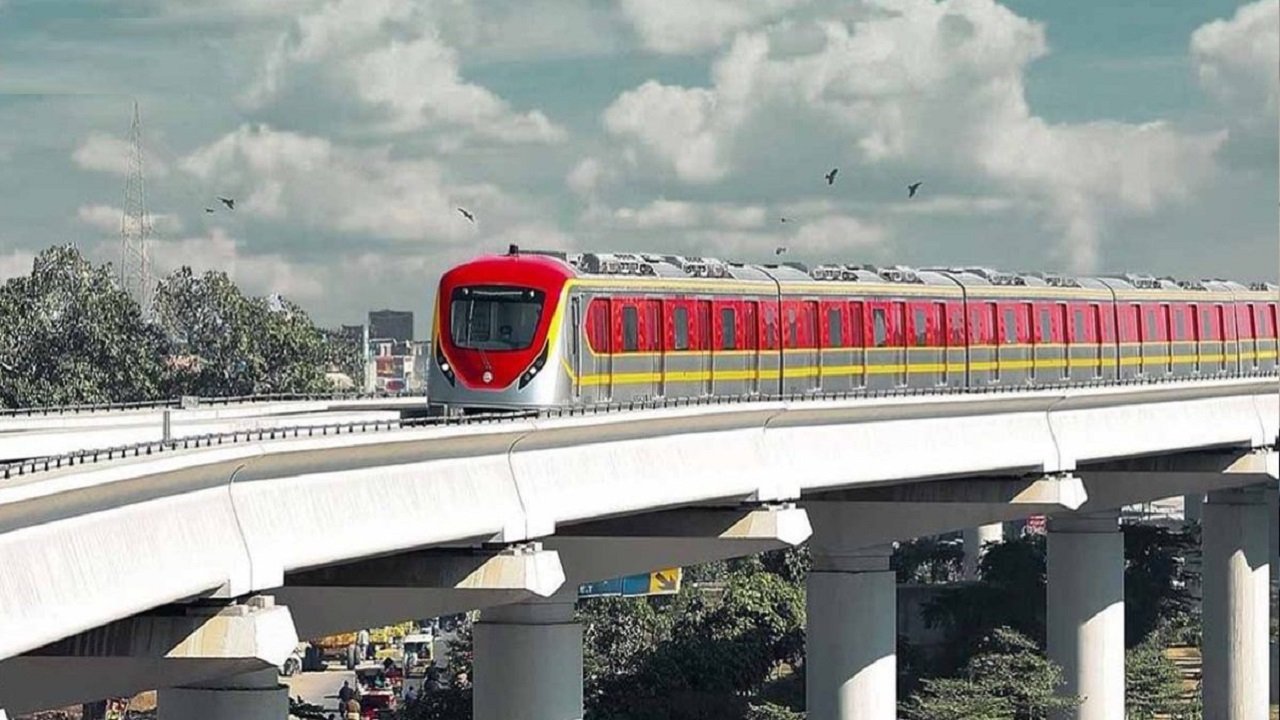
The Punjab Mass Transit Authority (PMA) has announced it is discontinuing tokens and the traditional card system across the Orange Line train, Speedo bus service, and Metro Bus. Going forward, passengers will need to use new digital payment methods to board and pay their fare, a shift that, on paper, brings Lahore’s transit network closer to how modern cashless transit systems operate elsewhere. In practice, commuters say they’ve been left with more questions than answers.
What’s Changing Across Orange Line, Speedo and Metro Bus
The Mass Transit Authority’s in-charge, Uzair Shah, confirmed the change in a statement, saying passengers will now be able to pay their fare through a T-Cash card, a mobile app, or an ATM/bank card. This effectively retires the token and rechargeable transit card setup that riders have relied on since these services launched, replacing it with a mix of dedicated fintech cards and standard banking rails.
For a tech-forward reading of this move, it puts Lahore’s transit system in the same conversation as global cities that have shifted commuters toward tap-to-pay bank cards and app-based ticketing instead of closed-loop transit cards. The appeal of that model is fewer physical tokens to manage, faster boarding, and easier fare reconciliation for the operator. Whether Lahore’s rollout delivers that in practice is a separate question, and it’s the one riders are currently stuck on.
The Refund Problem: Only Rs. 130 Back
The most contentious detail in the announcement is what happens to money already loaded on the old cards. According to Uzair Shah, balances remaining on old cards will not be refunded. Riders who return their card to the relevant station will only get back Rs. 130, described as a security deposit, not their remaining fare balance.
Shah appealed to all passengers to submit their old cards at the respective stations as soon as possible. But for commuters who’ve kept meaningful balances loaded for daily commuting, that appeal doesn’t address the core financial concern: money they paid in is not coming back; only a fixed security refund is.
A Rollout With No Advance Notice
Commuters have pushed back on the decision itself, but a bigger complaint is how it was communicated, or rather, that it wasn’t. Riders say there was no clear prior notice or public awareness campaign explaining the switch before it took effect, leaving many to discover the change at the fare gate.
For a system-wide payment overhaul affecting daily commuters across three separate services, the absence of a lead-in communication plan, SMS alerts, station signage ahead of the switch, or an in-app notice for existing card users, is the kind of rollout gap that tends to erode trust in the new system before it even gets a fair test.
Old Cards Still Being Recharged: A System Contradiction
Adding to the confusion, passengers report that despite the card system officially being discontinued, some locations are still recharging the very cards the Authority says are being phased out. That’s a basic operational inconsistency: if the old card system is retired, station-level recharge points shouldn’t still be topping up balances that riders have been told won’t be refunded later.
This kind of gap, where a new policy is announced but old infrastructure is still partially live, is common in rushed digital transitions, but it directly undercuts the Authority’s own messaging and adds to commuter mistrust.
What Riders Are Asking For
Passengers have demanded that the Authority provide clear guidance on how the new digital payment system actually works, practical details like where to get a T-Cash card, which mobile app to use, and how ATM/bank card payment is processed at gates. They’re also asking for a proper policy on old card balances, so riders aren’t left absorbing a financial loss simply because the system changed underneath them.
The Bigger Picture
Moving a city’s public transit network to app- and card-based digital payment is, in principle, a modernization step, one that mirrors how transit systems in other major cities have evolved. But the value of that shift depends entirely on execution: clear communication, a fair transition period for existing balances, and infrastructure that doesn’t contradict the policy it’s supposed to support.
Right now, Lahore’s rollout is running into all three of those gaps at once. Unless the Mass Transit Authority follows up with the guidance and refund policy commuters are asking for, this risks becoming less a story about digital transit innovation and more one about a policy rollout that outran its own planning.
Mobile Phone Taxes Portal
Find the PTA Taxes on All Phones on a Single Page using our Taxes Portal.
Note: Mobile phone tax rates and calculations fall under the jurisdiction of the Federal Board of Revenue (FBR), not the Pakistan Telecommunication Authority (PTA).