NASA Astronaut Comes Home After 3,856 Orbits of Earth
After 3,856 orbits and more than 102 million miles, Chris Williams returned from a mission advancing science and preparing humanity for the Moon and Mars.
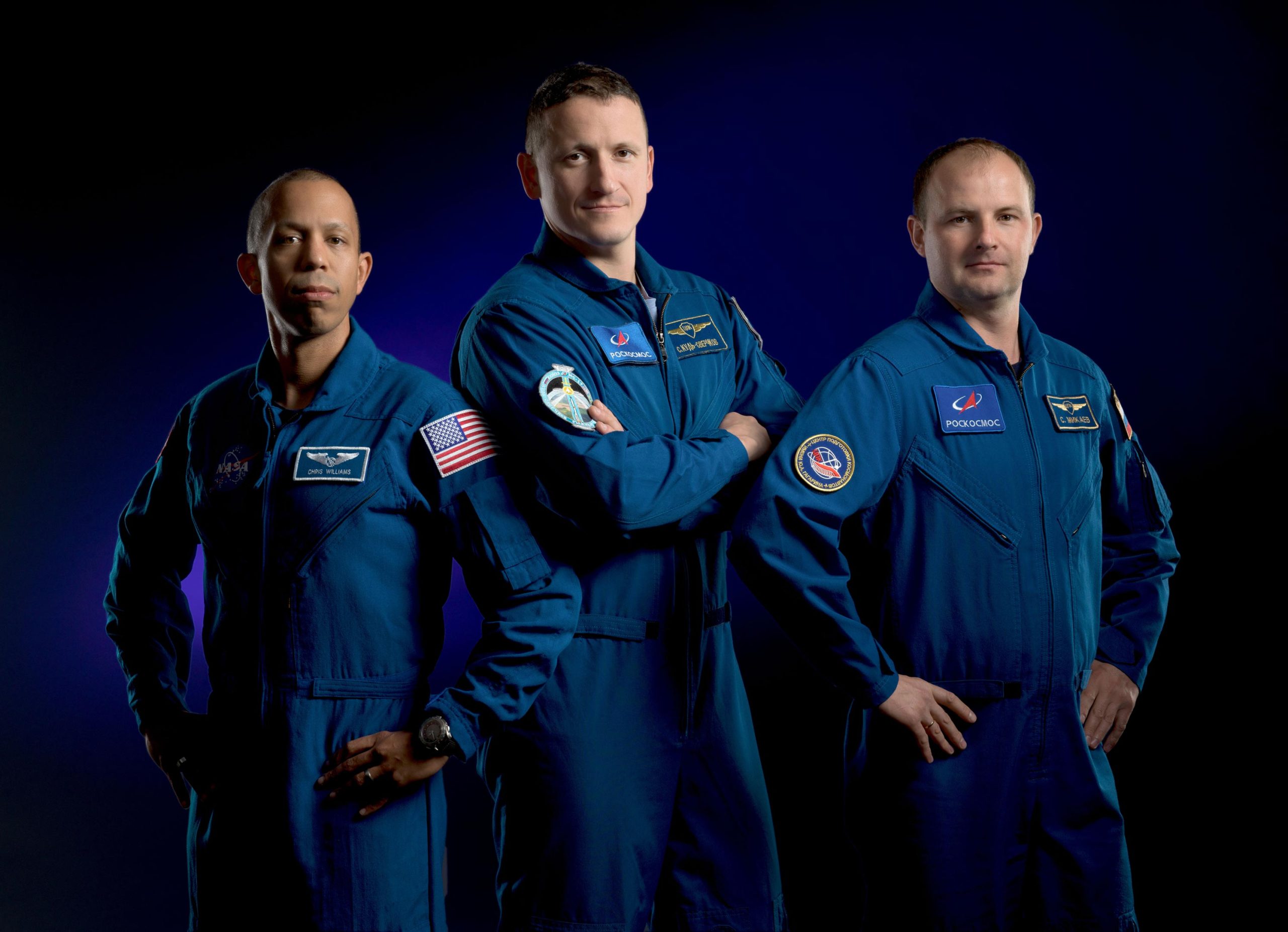
NASA astronaut Chris Williams returned to Earth on Sunday after completing an eight-month science mission aboard the International Space Station. He traveled home with Roscosmos cosmonauts Sergey Kud-Sverchkov and Sergei Mikaev.
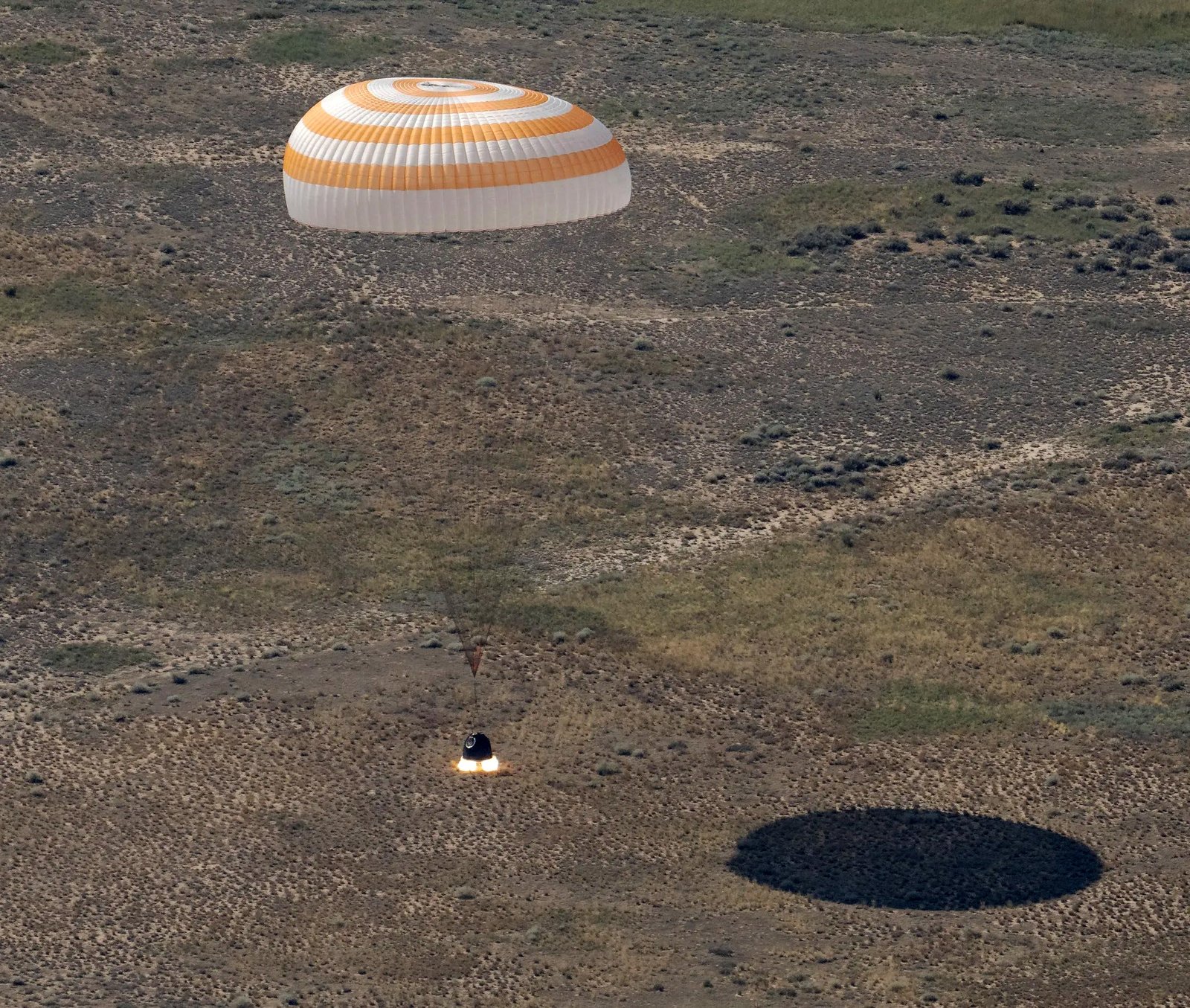
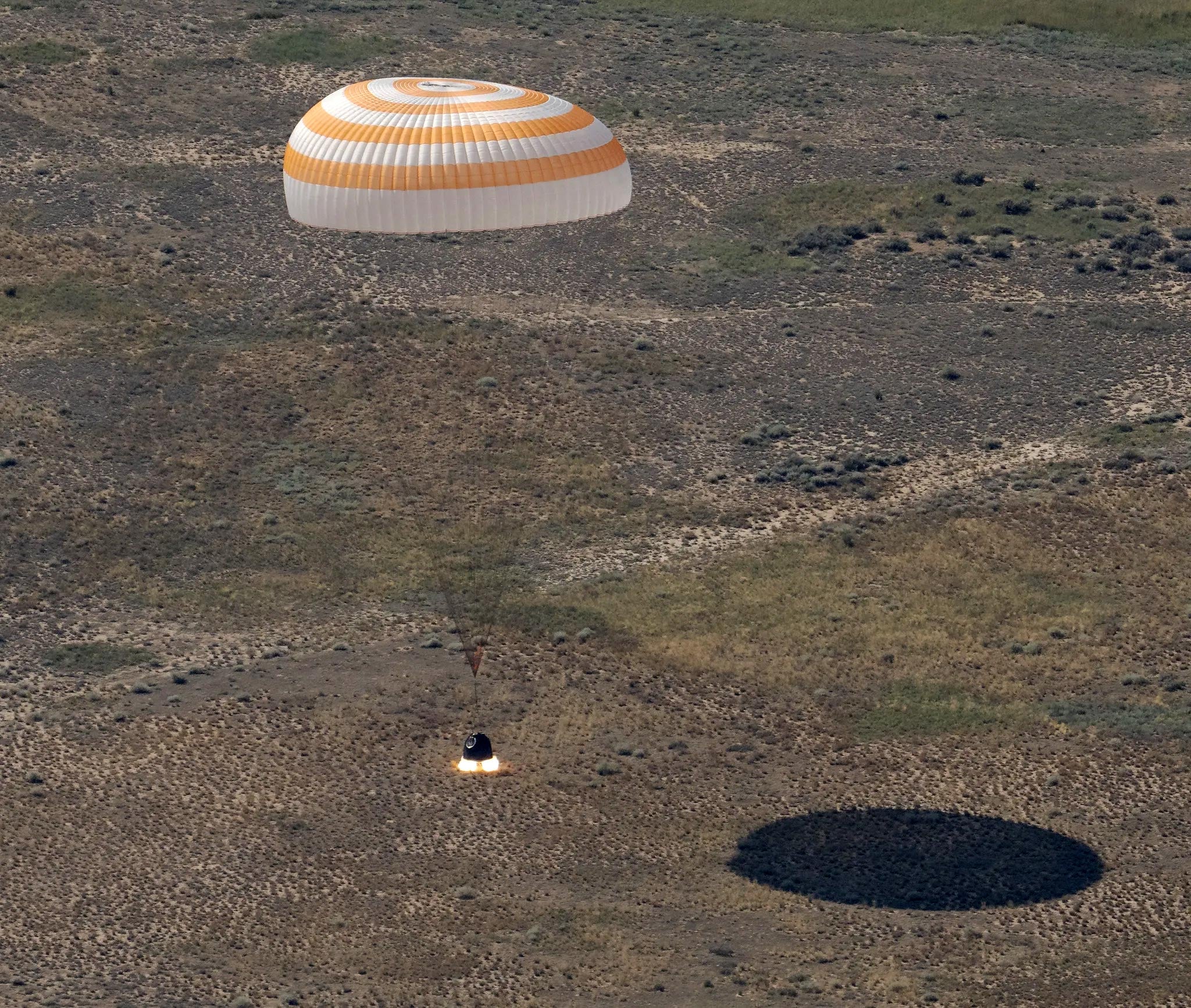
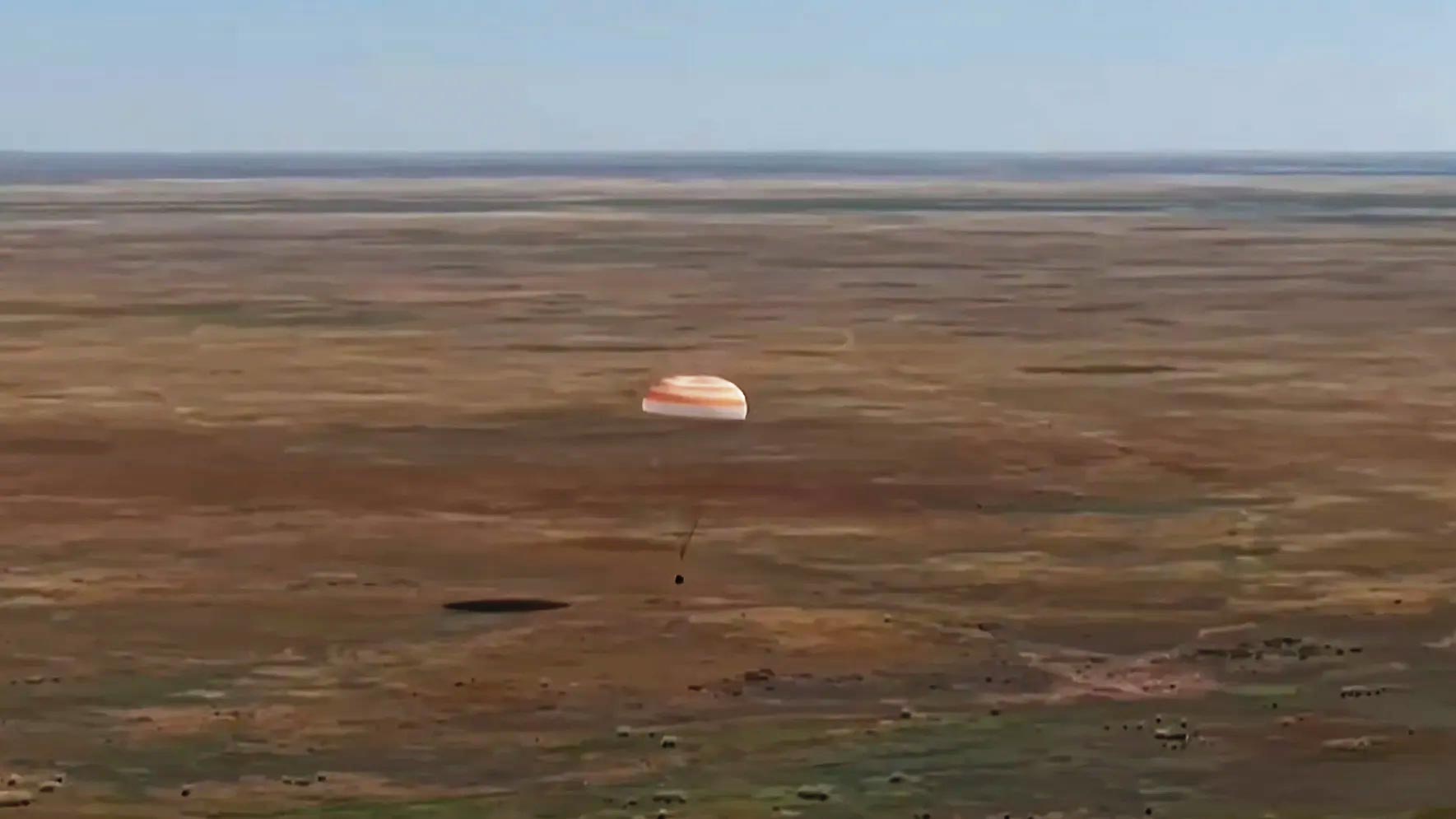
The crew landed safely southeast of Dzhezkazgan at 5:27 a.m. CDT (3:27 p.m., Kazakhstan time) on July 26 following a parachute-assisted descent in the Soyuz MS-28 spacecraft. They had departed the station at 2:03 a.m.
241 Days and More Than 102 Million Miles
Williams, Kud-Sverchkov, and Mikaev spent 241 days in space after launching to the International Space Station on November 27, 2025. During the mission, they completed 3,856 orbits of Earth and traveled more than 102 million miles.
The flight marked the first space mission for Williams and Mikaev. It was Kud-Sverchkov’s second journey into space.
Cancer Research, Advanced Manufacturing, and Spacewalks
During his time aboard the orbiting laboratory, Williams contributed to numerous scientific studies and technology demonstrations. His work included research that could support the development of new cancer treatments, as well as experiments focused on improving the production of materials used in high-performance computers and electronics in space.
Williams also carried out two spacewalks. The first helped prepare the station for upgrades to its power systems, while the second involved replacing a faulty joint on the Canadarm2 robotic arm.
The crew’s research and maintenance work could improve life on Earth while also helping NASA prepare for future human exploration of the Moon and Mars.
Returning Home After the Mission
After completing medical evaluations following the landing, the three crew members will travel by helicopter to Karaganda, Kazakhstan, where the recovery teams are based.
Williams will then board a NASA aircraft for the trip to the agency’s Johnson Space Center in Houston.
More Than 25 Years of Continuous Human Presence
Humans have lived and worked continuously aboard the International Space Station for more than 25 years. The unique environment has enabled scientific discoveries and experiments that cannot be carried out under normal conditions on Earth.
The station also allows NASA to study the challenges of long-duration human spaceflight, develop commercial activity in low Earth orbit, and prepare for future missions. Those efforts include journeys to the Moon through the Artemis program and, eventually, crewed exploration of Mars.
Never miss a breakthrough: Join the SciTechDaily newsletter.
Follow us on Google and Google News.