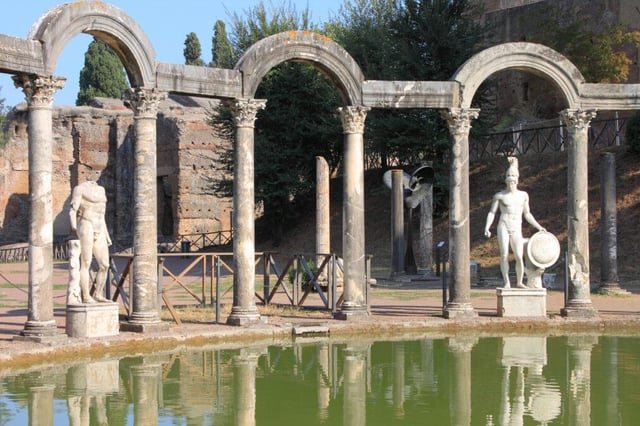
New findings reveal Ancient Roman concrete survives for millennia by chemically self-healing its own cracks through carbonation
 |
submitted by /u/UCBerkeley [comments] |
| |
submitted by /u/UCBerkeley [comments] |
submitted by /u/scmp_news [comments]
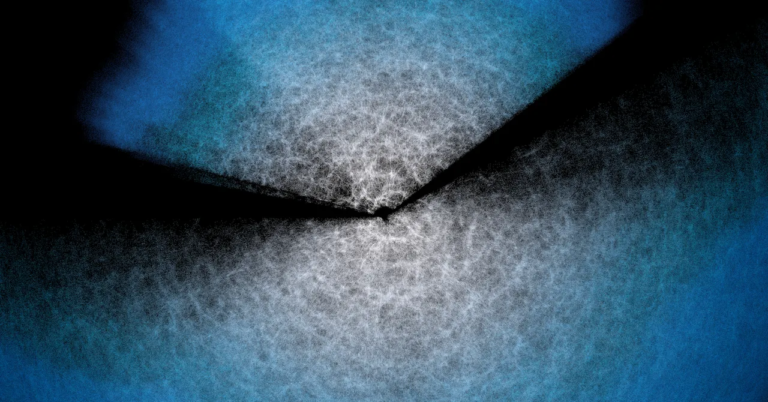
One of the fundamental pillars of modern cosmology may be beginning to wobble. A study published in Nature has found evidence that the universe may not behave the same way in every direction on the largest observable scales. “What we found is a network of enormous filaments and walls of galaxies that remain aligned and…

Smartphones, electric vehicles, and countless portable electronics all depend on batteries. As demand for better energy storage grows, improvements in battery capacity, lifespan, and safety will play a major role in the future of electrification. One of the most promising technologies is the solid-state battery, which could allow smartphones to operate for several days on…
submitted by /u/vicwardian [comments]
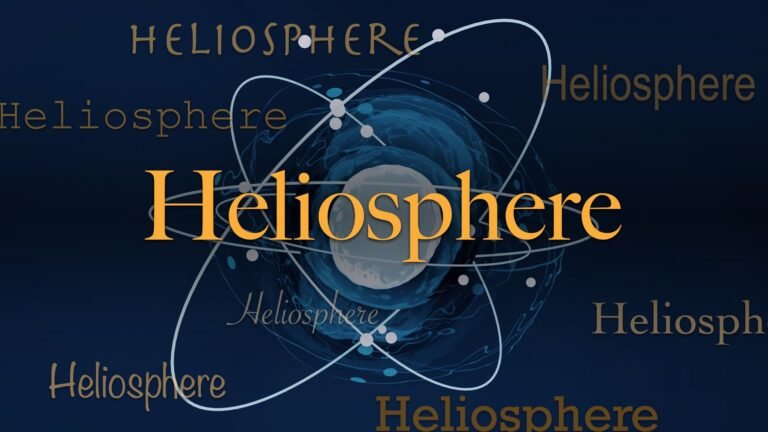
Science word of the day: Heliosphere Pronunciation: HEE’-lee-uhs-feer What it means: The heliosphere is the region around the sun that’s affected by the solar wind, a flow of charged particles emanating from the sun. Think of the heliosphere like a giant bubble encompassing the sun and planets, reaching out into space at three times the…
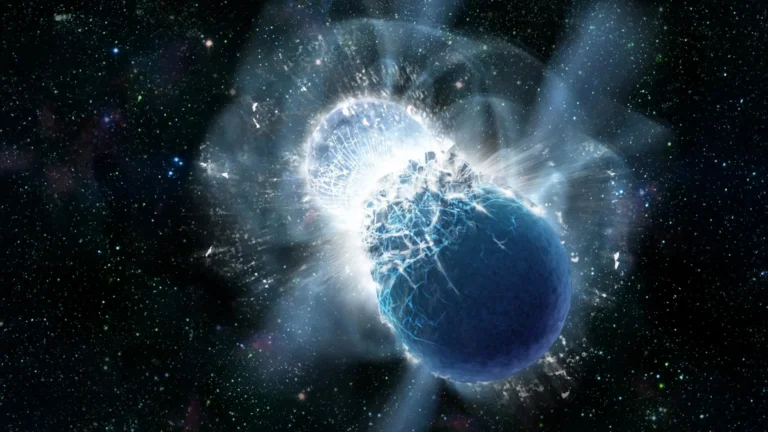
Researchers have developed a new artificial intelligence powered simulation that could significantly improve our understanding of how the universe creates many of its heaviest elements. Created by an international team at GSI/FAIR, the machine learning model allows scientists to simulate the complex nuclear reactions that occur during neutron star mergers and other violent stellar events…