News – TESP 2026: Learning, Discovering, Connecting
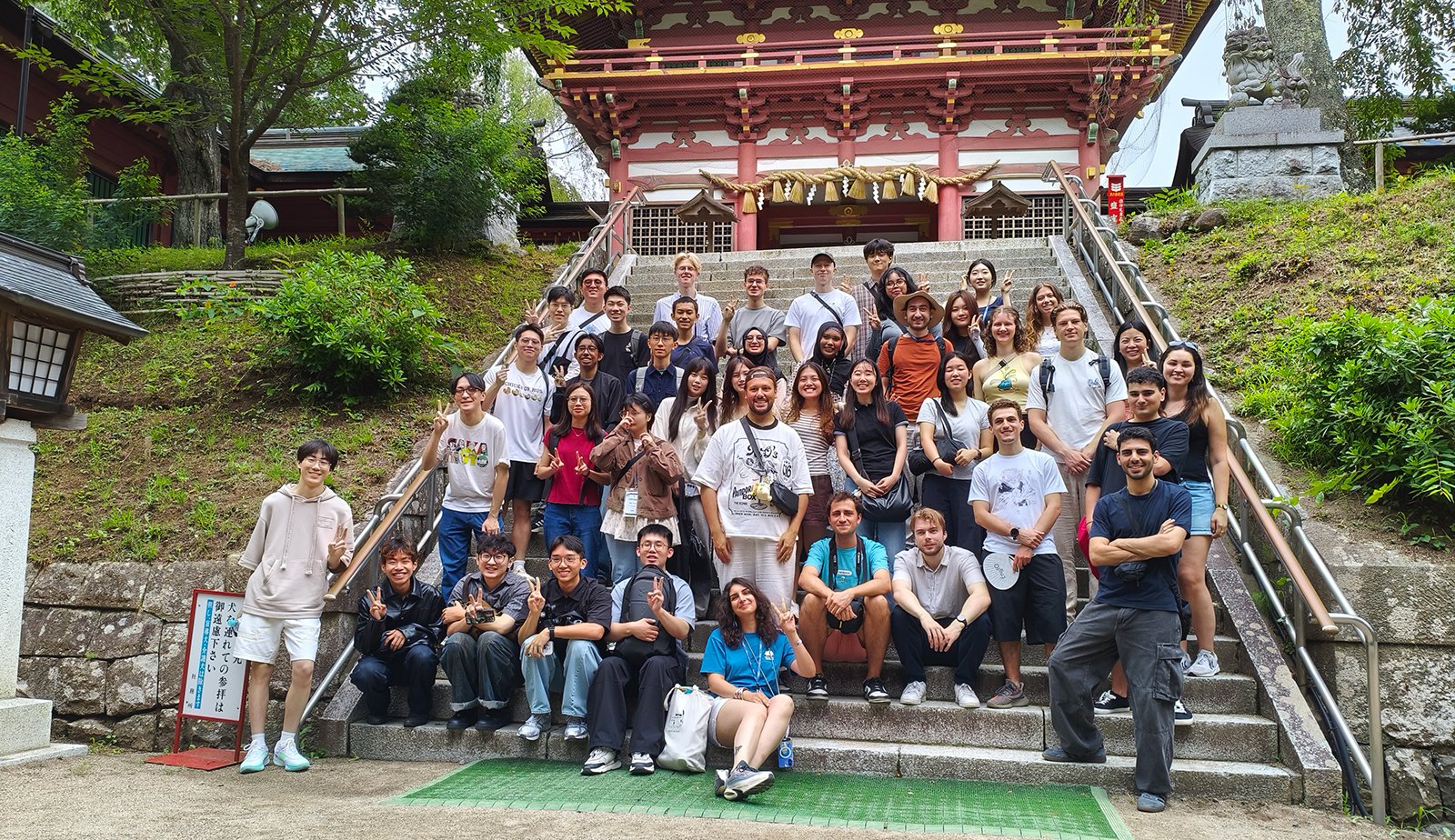
More than 40 students from partner universities around the world spent three weeks at Tohoku University this summer, immersed in advanced research, hands-on laboratory work and Japanese culture as part of the annual Tohoku University Engineering Short Programme (TESP).
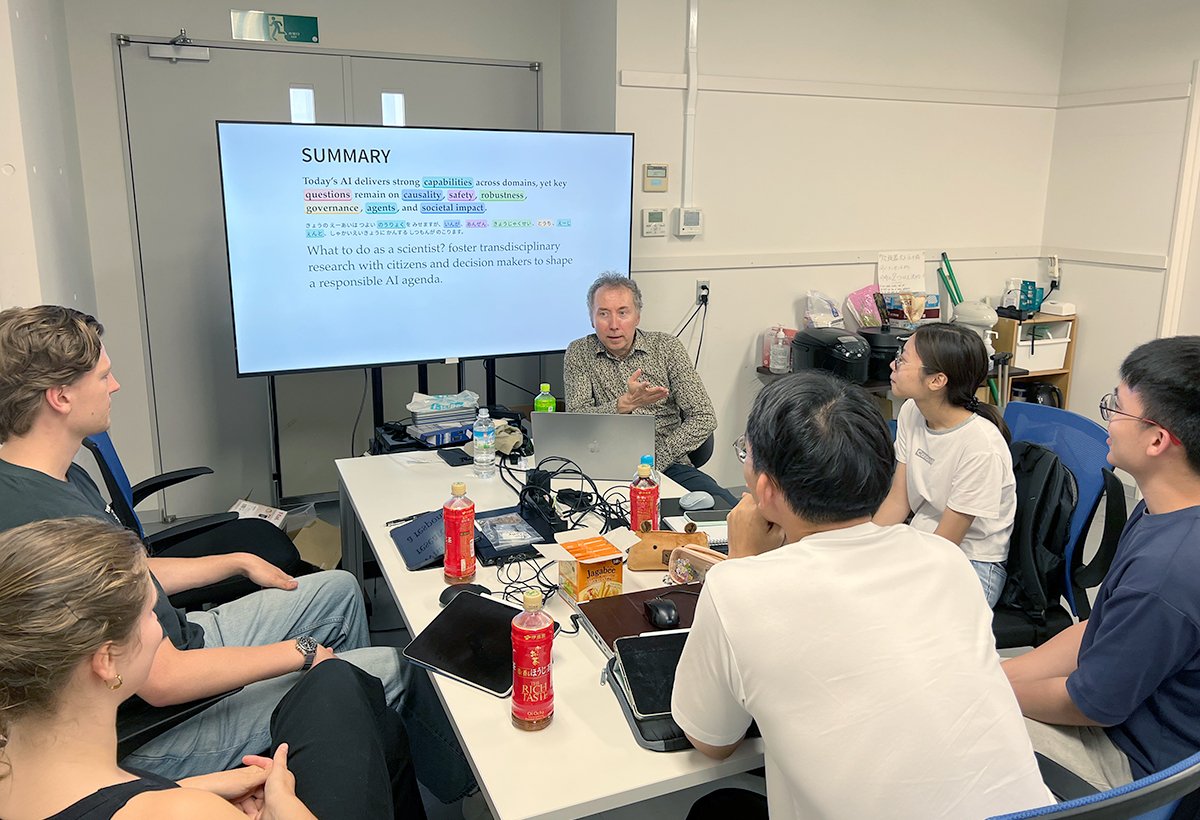
Designed to showcase the School of Engineering’s research strengths while fostering international collaboration, the programme brought together two intensive courses – Robotics and Materials Engineering – each combining lectures by leading professors and researchers, with practical laboratory sessions.
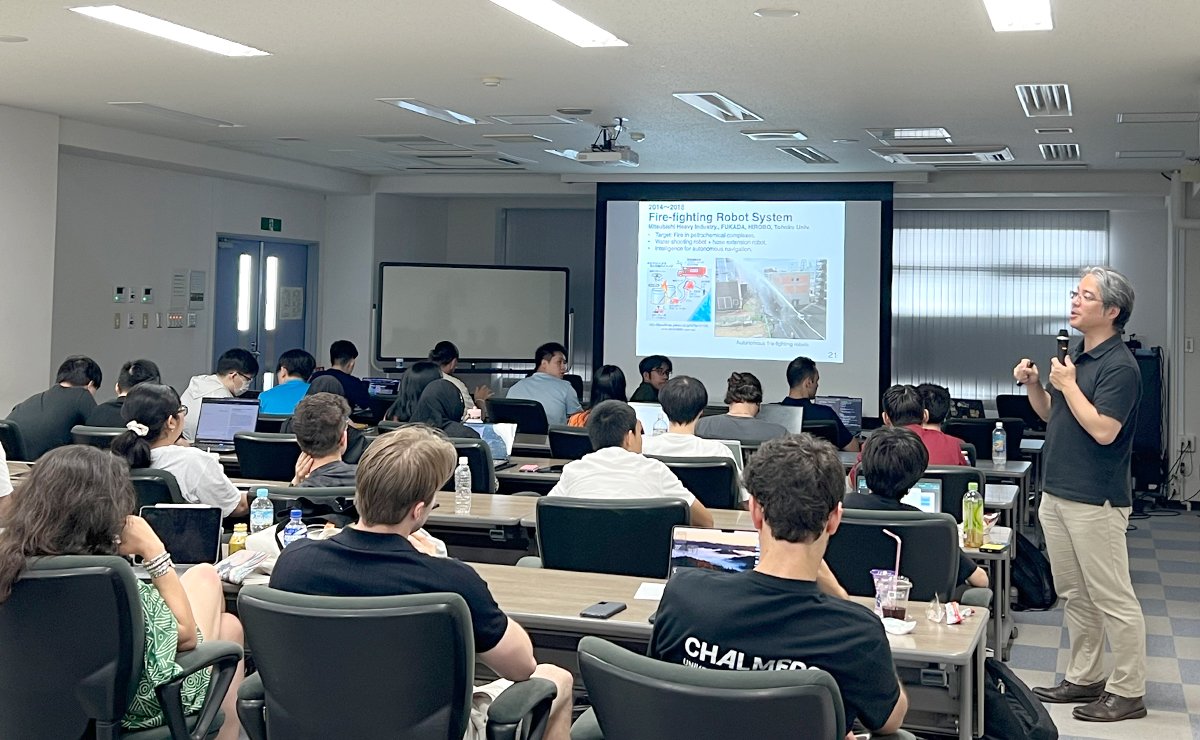
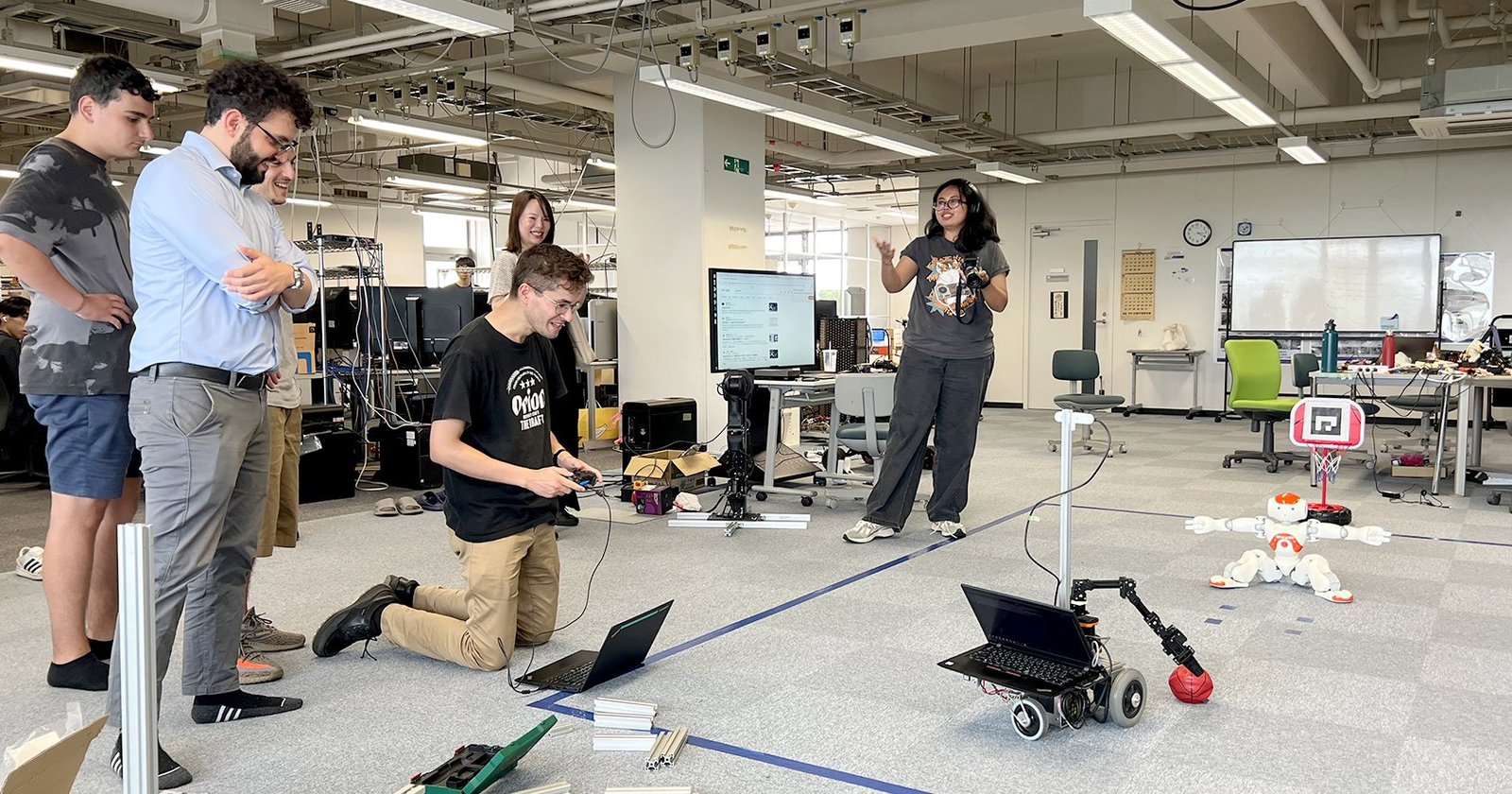
The Robotics Course featured artificial intelligence, human-robot interaction, haptic interfaces, neuro-robotics and disaster-response systems. For course coordinator Professor Kimitoshi Yamazaki, the unifying theme was integration. “Robotics is a discipline where merely perfecting a single component rarely leads to a complete, functional system,” he said. “Through the hands-on lab sessions, I hope the participants were able to truly experience both the real appeal and the inherent challenges of that integration process.”
This theme was also reinforced throughout the lectures. Professor Yasuhisa Hirata introduced Japan’s Robotic Nimbus project, which develops adaptive assistive robots to address the challenges of ageing societies; whilst Professor Kazunori Ohno presented autonomous systems designed for disaster response, including firefighting robots, factory inspection crawlers and even a cyber rescue dog.
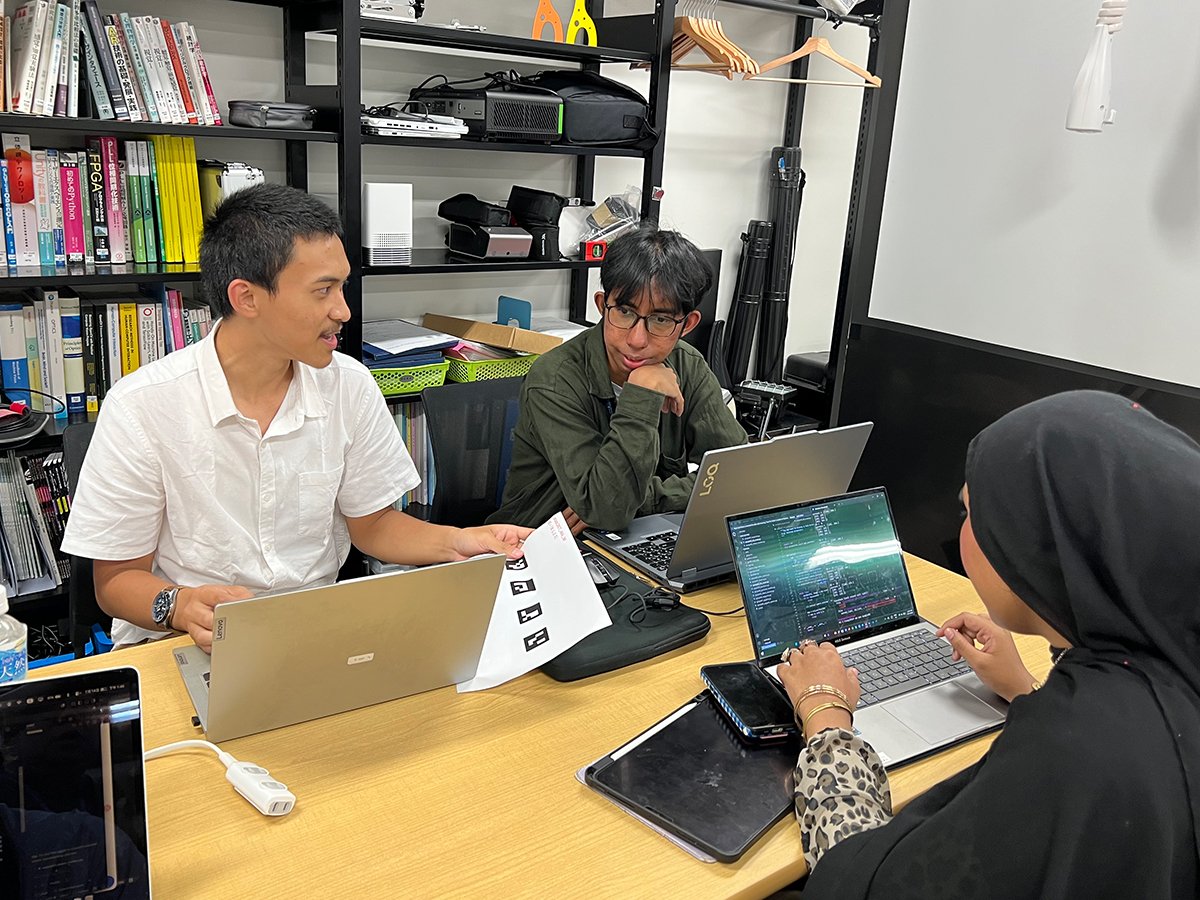
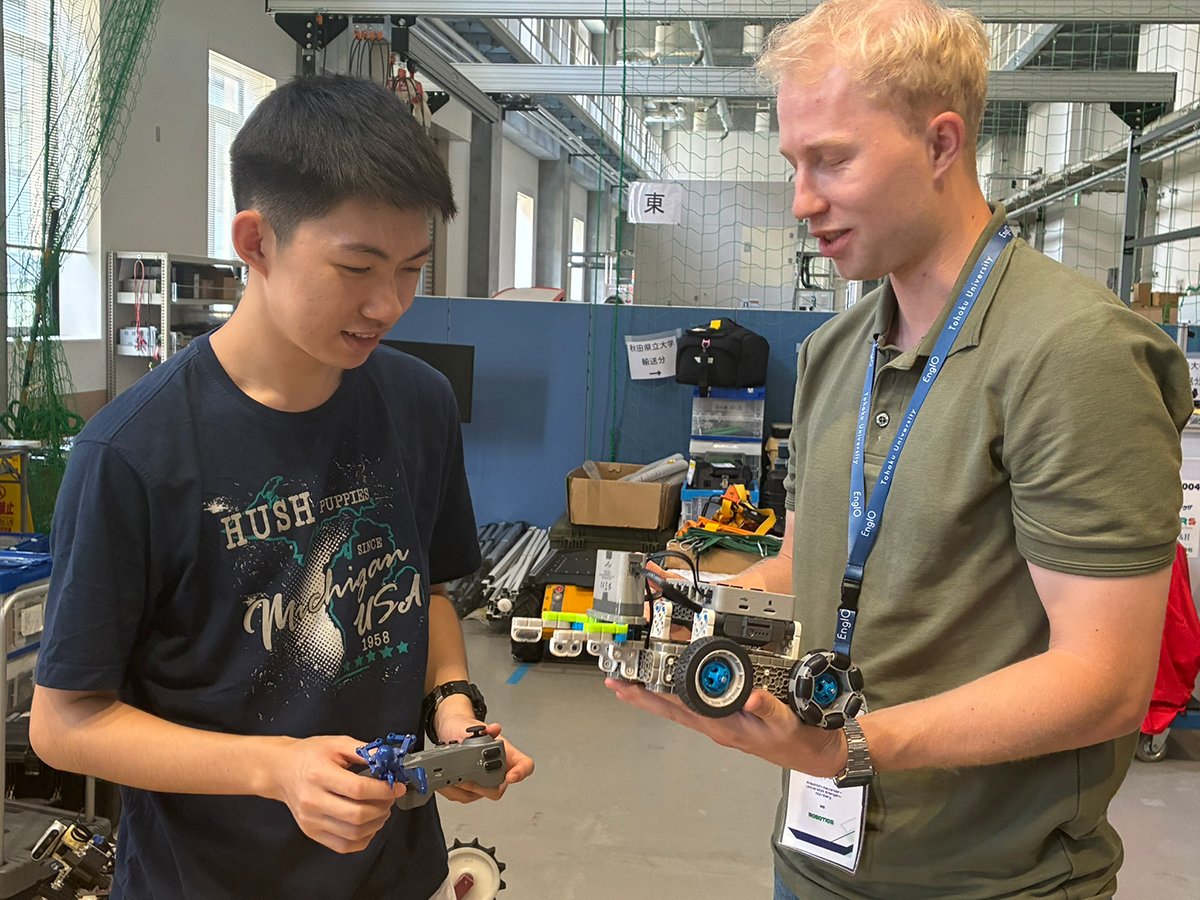
Drawing on probabilistic robotics, machine learning and digital twin technologies, Ohno framed the work as a fusion of disciplines. “Robotics is the physical part, and AI is the intelligent part,” he said. “I hope the students can find their own vision for bringing these together.”
The Materials Engineering Course offered three specialised streams.
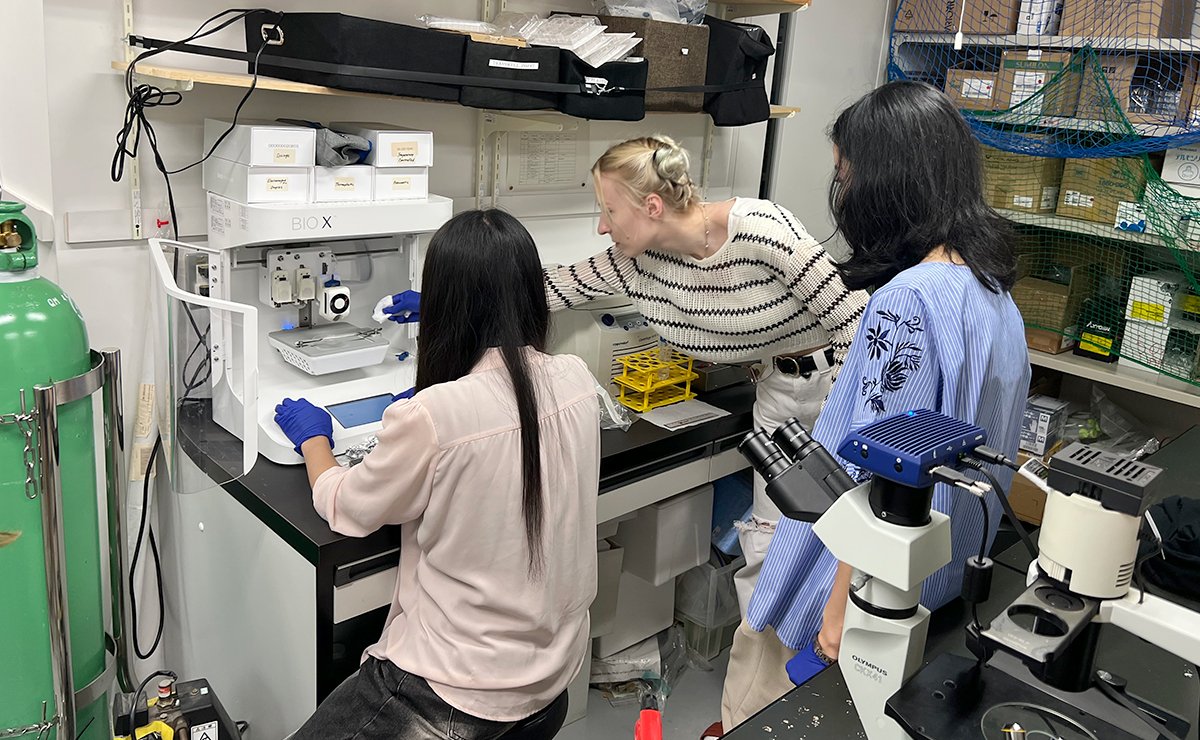
In Structural Materials Engineering (SMEC), students used thermodynamic simulation software to design ternary alloys before producing and evaluating them through arc melting, electron microscopy and mechanical testing. The Green Materials Engineering (GMEC) stream focused on sustainable composites with enhanced mechanical properties, while the Bio-materials Engineering (BMEC) stream explored polymer chemistry, regenerative medicine and 3D bioprinting.
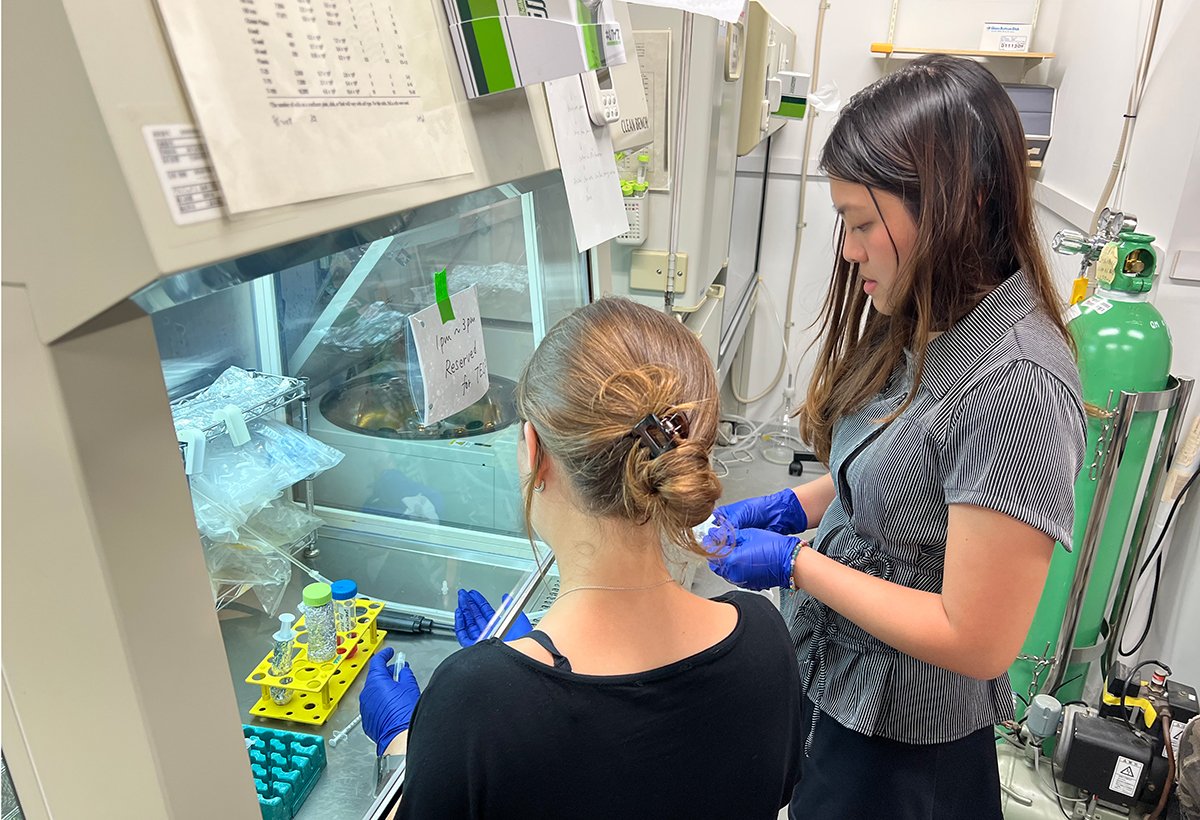
“I want students to learn not only about the materials themselves, but also about their applications in the medical field,” said Professor Masaya Yamamoto. “When students encounter things outside their own research, it can open their minds to possibilities they may never have considered.”
Participants in this course also visited the Japan Aerospace Exploration Agency (JAXA), gaining further insights into Japan’s broader research and innovation ecosystem.
For many participants, the programme’s value extended well beyond lectures and experiments. “I had heard that Tohoku University has a big research culture, and I wanted to come and learn from the engineers and researchers here,” said Vito Benedict Halim, an Indonesian student from the National University of Singapore.
Daniel Peña Fonseca from Chalmers University of Technology echoed the sentiment. “I liked meeting the different professors, learning about their research, and thinking about how we might work with them in the future.”
Yamazaki hopes that spirit of curiosity carries forward. “I hope participants don’t just limit themselves to what they are currently interested in but also use this opportunity to broaden their horizons and rethink their future careers.”
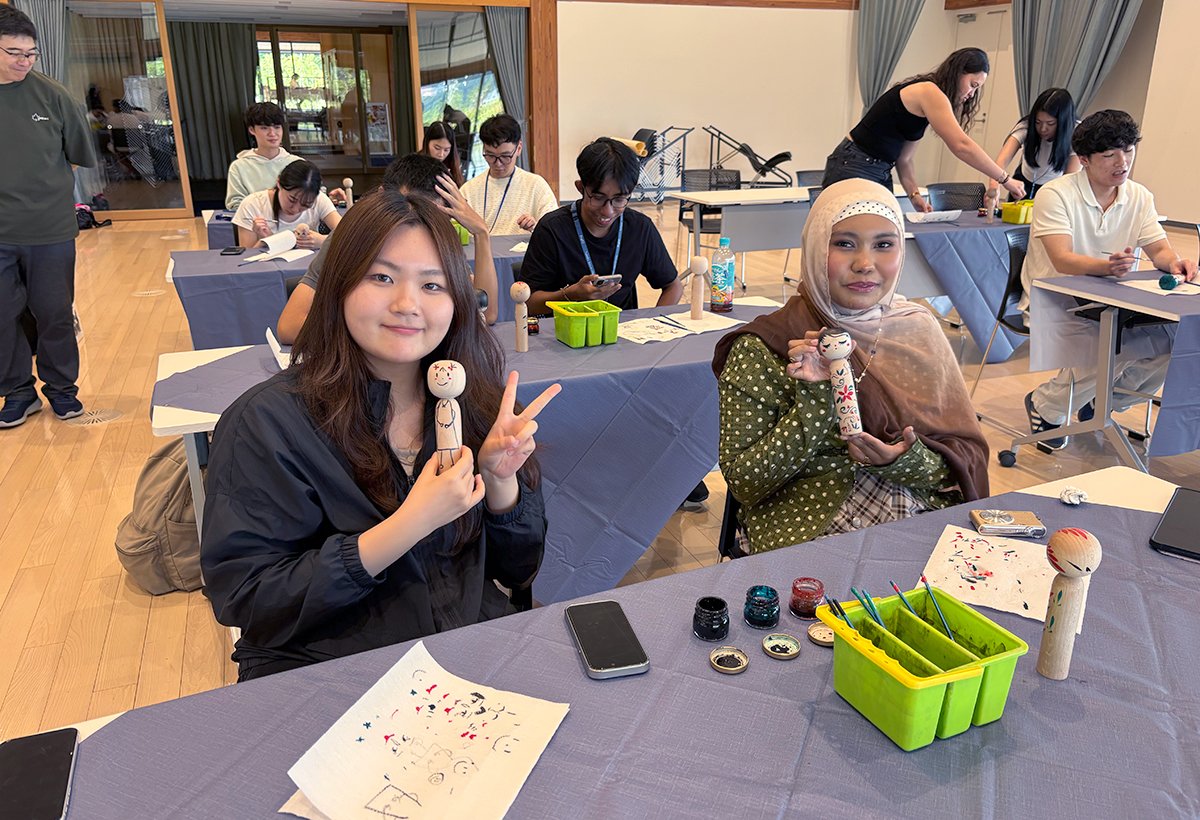
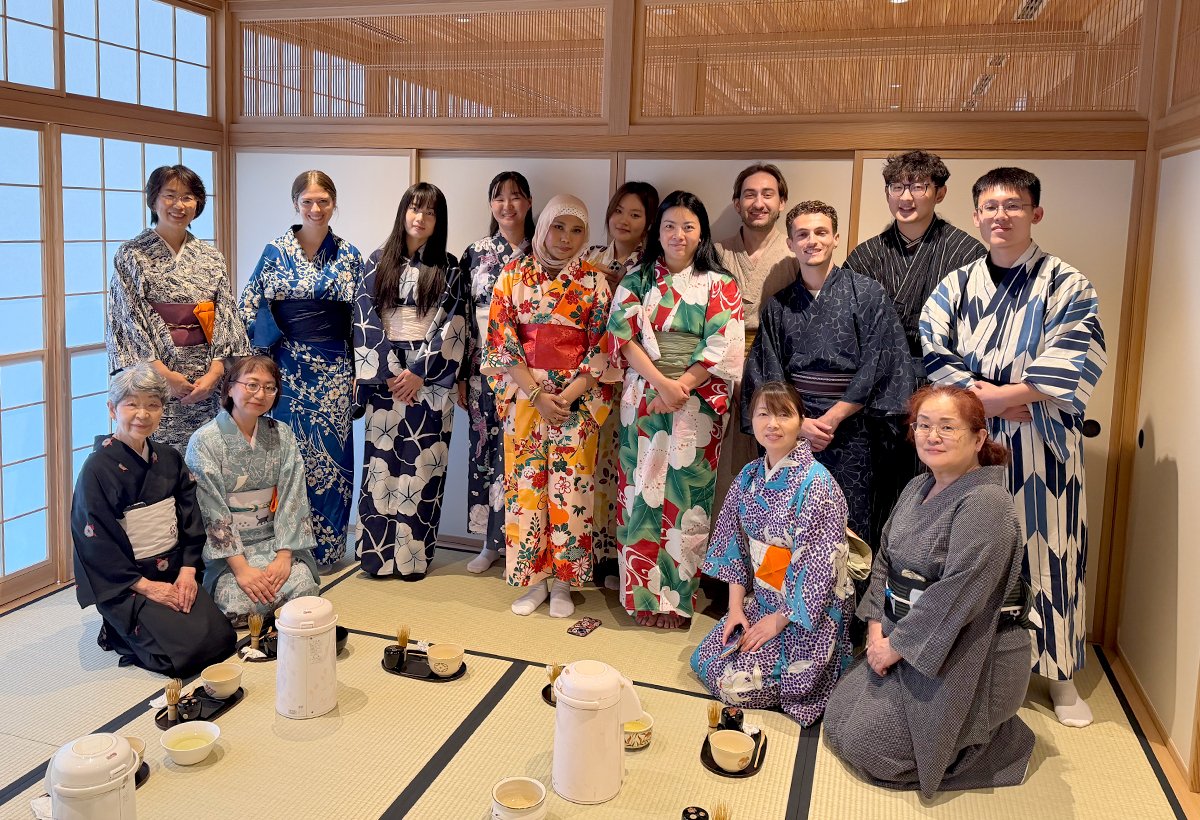
Away from the classrooms and labs, there were field trips to Matsushima and Geibikei Gorge to view two of the region’s most famous natural landscapes. The students also participated in a tea ceremony, tried their hand at kokeshi painting and wore a traditional yukata.
“These last few weeks have been amazing – I especially loved the cultural experiences, like wearing the yukata,” said Toufic Mourad from TU Dortmund. “The host students have also been really welcoming too. We did karaoke together the other night and it was so much fun!”
For Julius Appel from FAU Erlangen-Nürnberg, the experience was defining. “I’ve learnt a lot, but I’ve also made many new friends from all over the world. This is my first time in Japan, but definitely not my last.”
For more information on the programme, visit: https://www.ied.eng.tohoku.ac.jp/en/
Contact:
Tohoku University School of Engineering
International Office (EngIO)
Email: tesp-admin grp.tohoku.ac.jp