Prion Diseases May Begin When Proteins Misfold, Triggering Rapid Brain Damage
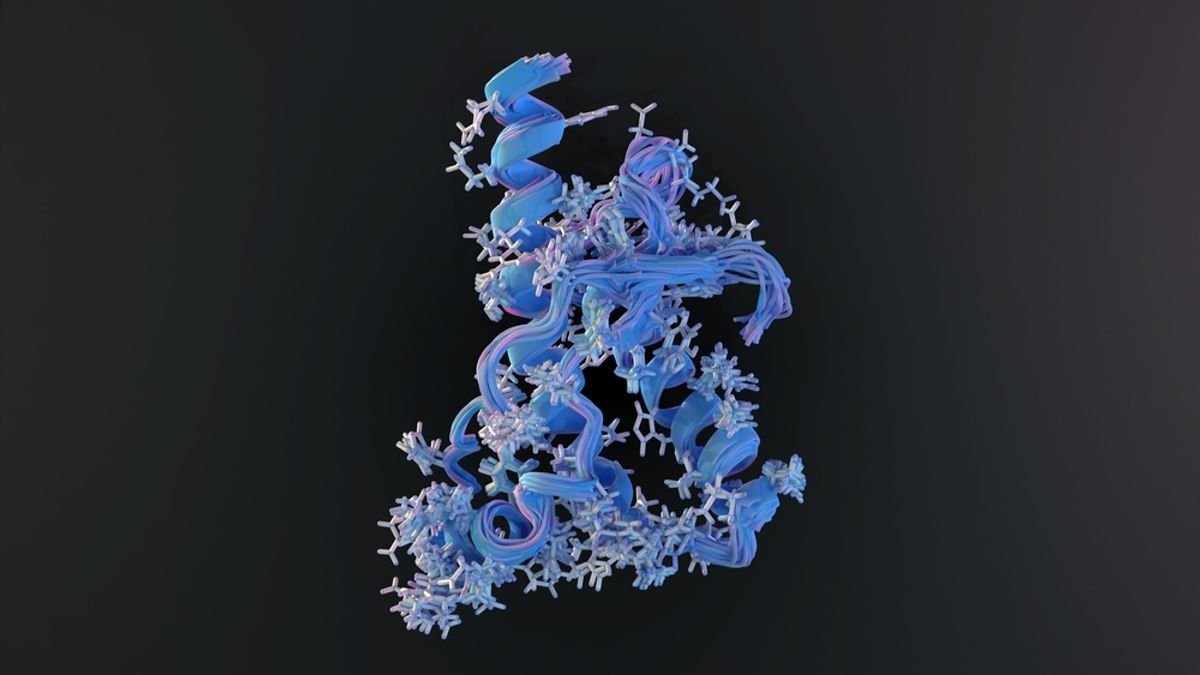
A protein begins to twist out of shape. Then another follows. Soon, the folding error is spreading through the brain, leaving damaged cells in its wake.
This is not the work of a virus, bacterium, or parasite. The culprit carries no DNA or RNA and may begin as one of the body’s own proteins. Known as a prion, this biological troublemaker can trigger normally shaped proteins to misfold, clump together, and gradually destroy the brain.
Prion diseases affect only about one in a million people worldwide. Yet their unusual behavior has made them important far beyond their rarity, offering researchers a window into how destructive proteins may also move through brains affected by Alzheimer’s and Parkinson’s disease.
What Are Prion Diseases?
Prion diseases are a group of progressive, incurable brain disorders caused by abnormally folded proteins. Symptoms can take years to appear, but the illness often accelerates rapidly once it becomes noticeable.
According to Johns Hopkins Medicine, the most common human prion disease is Creutzfeldt-Jakob disease (CJD), which can cause memory loss, personality changes, poor coordination, vision problems, and involuntary movements. Most cases appear spontaneously, generally around age 60, without an identifiable exposure or family history. Other people inherit genetic mutations that raise their risk, while a very small number acquire a prion disease through contaminated tissue, medical instruments, or food.
Rarer forms include fatal familial insomnia, which disrupts the brain’s ability to regulate sleep; Gerstmann-Sträussler-Scheinker disease, which typically emerges earlier in adulthood; and kuru, historically associated with funerary cannibalism in Papua New Guinea.
Doctors may use neurological exams, MRI scans, spinal-fluid testing, and other tools to investigate suspected cases. A definitive diagnosis has traditionally required examining brain tissue, often after death.
There is currently no cure or vaccine, although treatments can help ease certain symptoms.
Read More: How Legionnaires’ Disease Can Turn Deadly as Bacteria Multiply Inside Immune Cells
Where Do People Encounter Prions?
Prion diseases also occur across the animal kingdom. Bovine spongiform encephalopathy, better known as “mad cow disease,” affects cattle and was linked to cases of variant CJD in people who ate contaminated beef.
Chronic wasting disease (CWD) affects deer, elk, moose, and reindeer. Researchers first identified CWD in Colorado in the late 1960s. The disease has since been reported in animals in 32 U.S. states, according to the Centers for Disease Control and Prevention. No human cases of CWD have been confirmed, but health agencies advise hunters not to eat meat from animals that test positive.
Unlike most germs, prions can resist ordinary sterilization methods. Careful decontamination of medical equipment and strict controls on animal products therefore remain essential for preventing rare acquired infections.
How Prion Research Could Help Explain Alzheimer’s Disease
Prions may be unusual, but their basic strategy is becoming strangely familiar. Proteins associated with Alzheimer’s and Parkinson’s diseases can also misfold, form aggregates, and encourage similar proteins to change shape.
That does not mean Alzheimer’s or Parkinson’s disease is contagious. Instead, researchers working at the Tanz Centre for Research in Neurodegenerative Diseases describe their spread within the brain as prion-like, referring to the way abnormal proteins may seed further protein buildup.
Scientists are now investigating drugs and vaccines that could interrupt this chain reaction. Researchers have also produced genetically engineered livestock without the normal prion protein, making the animals resistant to prion infection.
Although these approaches remain experimental, studying one of medicine’s rarest disease groups could ultimately reveal how to confront some of the most common forms of dementia.
This article is not offering medical advice and should be used for informational purposes only.
Article Sources
Our writers at Discovermagazine.com use peer-reviewed studies and high-quality sources for our articles, and our editors review for scientific accuracy and editorial standards. Review the sources used below for this article:
- This article references information from Tanz Centre for Research in Neurodegenerative Diseases: Prion Diseases
- This article references information from John Hopkins Medicine: Prion Diseases
- This article references information from the CDC: About Prion Diseases