Typhoon Flooding in China Sends Farmed Venomous Snakes Swimming Into Residential Areas

A typhoon that floods your town is already a stressful and frightening experience. But for residents of southern China, that experience is becoming much worse, as recent floodwaters created an even more unusual hazard — hundreds of venomous snakes washed away from commercial breeding farms.
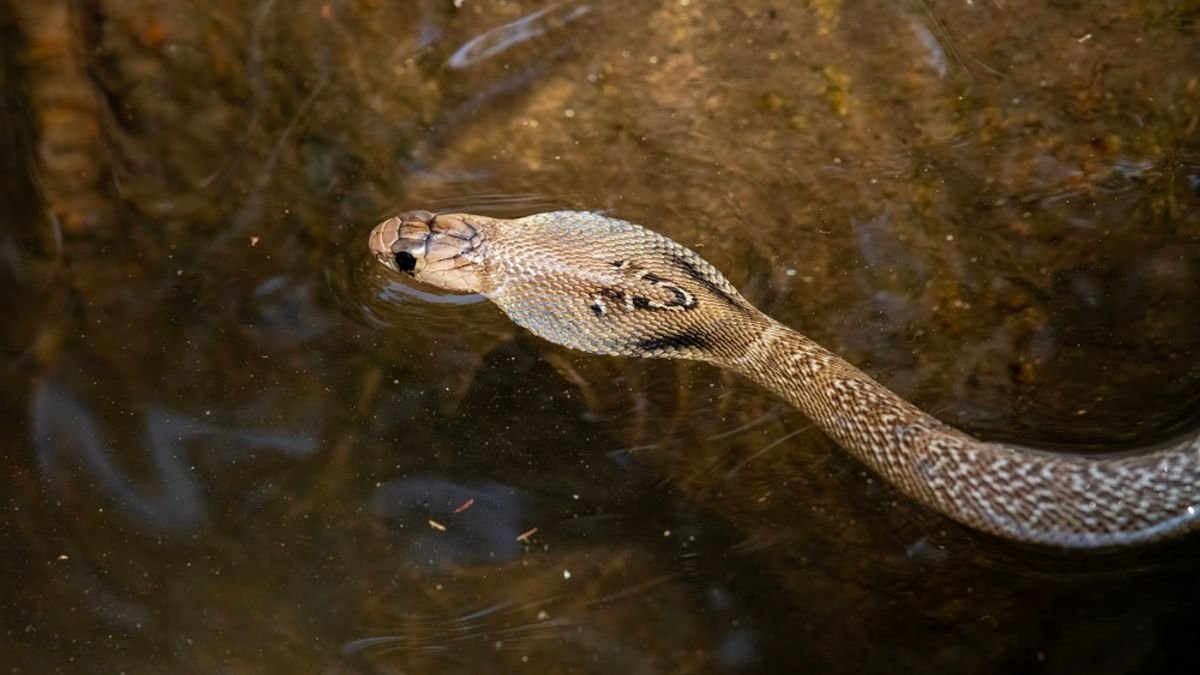
As reported in The Guardian, after days of torrential rain linked to Typhoon Maysak, floodwaters overwhelmed snake farms in Hengzhou, in China’s Guangxi Zhuang autonomous region, allowing captive snakes to escape into nearby communities. Videos of residents using nets to capture snakes and cobras calmly poking their heads out of muddy waters have gone viral online.
The incident has already turned deadly, with Beijing News reporting that a snakebite victim has died. Beyond the dramatic images, however, the floods have drawn attention to one of the world’s largest snake-farming industries and the unexpected public safety challenges that arise when extreme weather collides with commercial animal production.
Floodwaters Drive Escaped Snakes Into Residential Areas in Southern China
As floodwaters rose across Hengzhou, the Hengzhou Media Convergence Center issued emergency guidelines warning that venomous snakes, including the banded krait, bamboo viper, and cobra, could seek shelter in residential buildings, stairwells, riverbanks, and other dry areas after being displaced by the flood.
The images emerging from the region showed just how unusual the situation had become. Residents armed with long-handled nets chased escaped snakes through floodwaters while local officials monitored the affected areas. At the same time, Hengzhou has strengthened its emergency response by increasing antivenom supplies at the Municipal People’s Hospital, expanding medical resources, and increasing search-and-rescue patrols through flooded communities.
Flooding commonly forces snakes to move in search of dry ground, but the presence of nearby breeding farms has dramatically increased the number of reptiles potentially entering populated areas and seeking shelter in homes.
Why China Raises Millions of Snakes on Commercial Farms
Although many people associate snakes with the wild, commercial snake farming has become a major industry in parts of Asia over the past several decades.
According to a study in Oryx, the most commonly farmed species include cobras and rat snakes, which are well suited to commercial breeding because they mature relatively quickly, grow efficiently, reproduce in large numbers, and require comparatively little space. Their ability to convert food into body mass efficiently has also made them attractive livestock for meat production.
Historically, people harvested snakes from the wild on a relatively local and sustainable scale for their meat, skins, and medicinal uses. But demand grew rapidly beginning in the 1990s as expanding middle-class populations increased the market for luxury foods and traditional remedies. By the early 2000s, demand had outpaced what wild populations could supply, fueling the growth of commercial breeding operations.
One of the best-known examples is Zisiqiao, where the snake trade reportedly generates about $12 million annually, according to the South China Morning Post. As discussed by the BBC, more than 100 farms in the village collectively raise roughly 3 million snakes, with snakes outnumbering local residents by nearly 3,000 to one. Farmers sell the reptiles for restaurant dishes as well as products used in traditional Chinese medicine, where they are sometimes consumed in soups or infused into medicinal wines.
What Officials Recommend Residents Do if Snakes Are Nearby
With escaped snakes potentially hiding anywhere floodwaters have reached, local authorities are urging residents to remain cautious even after the rain subsides.
Emergency guidance released by the Hengzhou Media Convergence Center recommends sealing gaps around doors, walls, and drainpipes in flooded homes and temporary shelters to prevent snakes from entering buildings. Officials also advise residents not to reach into floating debris or attempt to retrieve objects from floodwaters with their bare hands, since snakes can easily conceal themselves beneath materials.
In regions where commercial snake farming has become part of the landscape, this typhoon is a reminder that extreme weather can transform an environmental disaster into a unique public health emergency, leaving communities to prepare for dangers that most people would never expect to encounter.
Read More: Brown Tree Snakes Use Key Muscles to “Stand” Upright — Possibly Inspiring Future Soft Robotics
Article Sources
Our writers at Discovermagazine.com use peer-reviewed studies and high-quality sources for our articles, and our editors review for scientific accuracy and editorial standards. Review the sources used below for this article: