What the Tech: How the New FCC Robot Restrictions Affect You
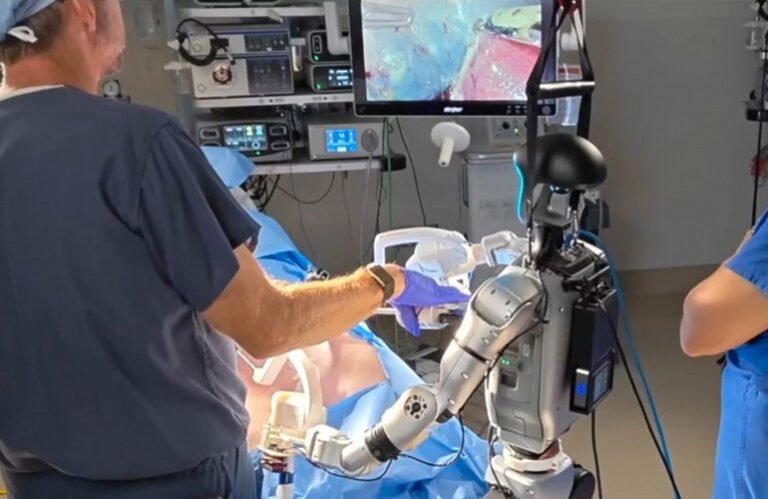
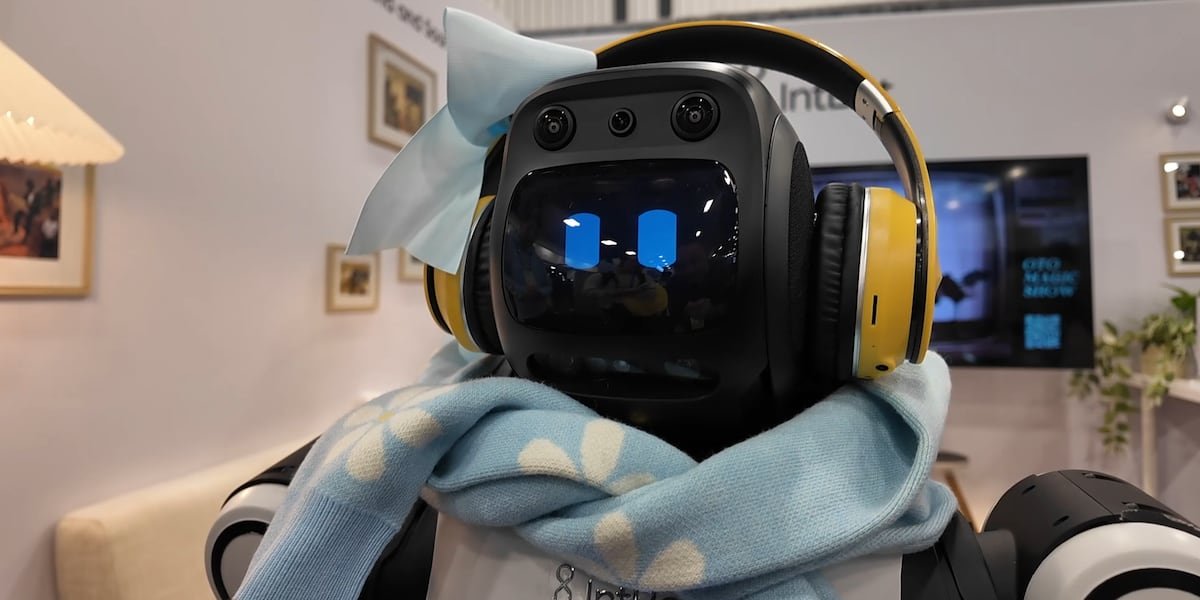
AUGUSTA, Ga. (WRDW/WAGT) – A new federal restriction on foreign-produced robots may sound like something aimed only at futuristic humanoid machines and robotic dogs. However, the government’s definition is broad enough to include connected devices already cleaning floors and cutting grass in American homes.
On July 28, the Federal Communications Commission (FCC) added foreign-produced “advanced robotic devices” to its Covered List. This designation effectively prevents new qualifying models from receiving the FCC authorization generally required before they can be imported or sold in the United States.
While the announcement focused heavily on humanoid and four-legged robots, the rules may also apply to many robot vacuums, autonomous lawnmowers, and other connected machines that navigate along the ground.
What kinds of robots are covered?
The FCC generally defines an “advanced robotic device” as a mobile machine that meets the following criteria:
- Weighs more than 4.4 pounds
- Moves or navigates along the ground
- Uses sensors to perceive its surroundings
- Connects to a wireless or communications network
- Uses software to control its movement, navigation, or operation
That description captures more than just the human-shaped robots commonly demonstrated at technology shows like CES.
Many popular robot vacuums utilize LiDAR, cameras, infrared sensors, and other technologies to navigate around furniture, avoid stairs, and build digital maps of homes. LiDAR operates as the robot’s eyes, using laser pulses to measure distances and construct a digital map of the surrounding area.
Robot lawnmowers use similar systems to identify obstacles, remain inside designated boundaries, and return to charging stations.
Why is the government concerned?
The FCC says foreign-produced, connected robots could create national security and cybersecurity risks because they gather detailed information about homes, businesses, factories, and other sensitive locations.
Depending on the model, a robot may contain cameras, microphones, mapping technology, and wireless connections. Federal officials warn that a security vulnerability could allow an unauthorized person, hacker, or foreign government to access information collected by the robot or potentially take control of the machine.
Federal officials emphasize that this does not mean every foreign-made robot is actively spying on its owner. The concern centers on the inherent ability of these connected robots to collect and transmit increasingly detailed information about their environments.
The same sensors that make a robot useful also create a potential security risk.
Is the robot vacuum in your home banned?
No. The federal government is not ordering consumers to stop using robot vacuums, lawnmowers, or other devices they already own.
According to the FCC, previously authorized models can generally continue to be used and sold. The new restriction primarily affects new foreign-produced models seeking FCC approval moving forward.
Manufacturers can also request conditional approval from the federal government. This process could allow certain foreign-produced devices to receive authorization if officials determine they do not pose an unacceptable national security risk.
While the FCC retains authority over previously issued equipment authorizations, the immediate action is primarily aimed at models that have not yet been approved for the U.S. market.
Could this affect store selections?
Possibly, though shoppers should not expect robot vacuums to suddenly disappear from store shelves.
Models that have already received authorization may remain available. The larger effect will likely be seen as manufacturers attempt to introduce new generations of foreign-produced robots.
Future models could be delayed, denied authorization, or redesigned to qualify for conditional approval. The restrictions could eventually result in fewer choices or higher prices, particularly if companies must shift manufacturing or alter their supply chains.
The restrictions apply to robots produced in foreign countries, but Chinese manufacturers are expected to be affected most heavily. Chinese companies have become dominant players in humanoid robots, robotic vacuums, and other consumer robotics products.
What this means for humanoid robots
Humanoid robots have been among the biggest attractions at recent technology shows, with developers demonstrating machines designed to work in warehouses, factories, stores, and eventually homes.
The new FCC action does not end the arrival of humanoid robots in the U.S. American-made robots and foreign models receiving conditional approval can still move forward.
However, the restrictions could delay some foreign-produced humanoid robots from reaching U.S. businesses and consumers.
While that could give American robotics companies additional time to develop competing products, some technology experts warn that restricting access to less expensive foreign hardware could also slow innovation among U.S. companies that rely on imported robotic components.
The immediate effect on this year’s holiday shopping season may be limited because previously authorized products can still be sold. However, shoppers looking for the newest autonomous devices could eventually see fewer newly released, foreign-made models.
Copyright 2026 WRDW/WAGT. All rights reserved.

![What if a model could only learn what trusted LoRA adapters can express? [R]](https://jobssz.com/wp-content/uploads/2026/07/t1vmc27m5vbh1.jpg)