India soybean sowing falls 4.52% as erratic monsoon deepens climate risk
 India’s soybean belt is sending out an early warning signal.
The latest UPAg India Progressive Crop Area Sown Report for the kharif season, as of July 17, 2026, shows that farmers have planted 106.02 lakh hectares under soybean, down from 111.05 lakh hectares during the same period last year, a decline of 5.02 lakh hectares, or 4.52%.
The crop’s normal sowing area stands at 128.71 lakh hectares, indicating that planting remains well below the long-term average.
While part of the shortfall could narrow as sowing continues, scientists say the numbers reflect a growing challenge facing one of India’s most important oilseed crops: climate change-driven disruption of the monsoon.
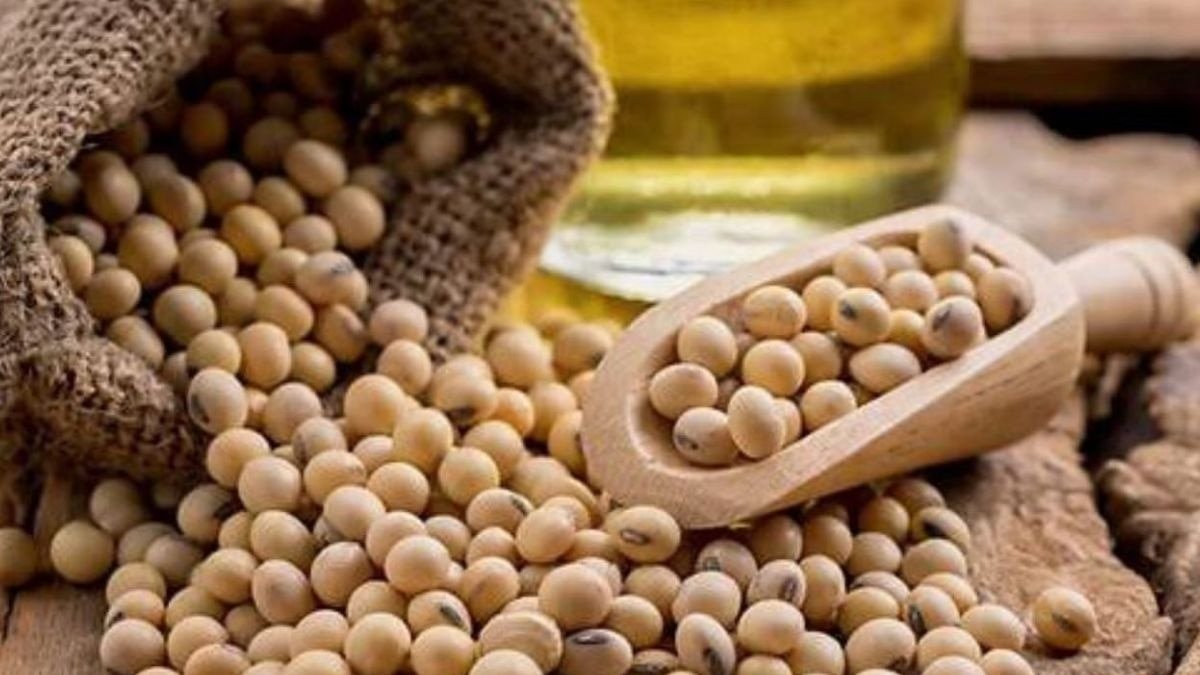
Soybean is almost entirely a rain-fed crop, grown primarily across Madhya Pradesh, Maharashtra and Rajasthan. Farmers typically begin sowing with the arrival of the southwest monsoon in June. This year, however, the monsoon has been anything but normal.
After an early advance, rainfall weakened sharply across large parts of central India before reviving later in July. These long dry spells interrupted sowing operations, forcing many farmers to delay planting or switch to crops considered less risky under uncertain rainfall conditions.
CLIMATE CHANGE AMPLIFYING SOYABEAN WOES
Climate change is amplifying these swings. Rising global temperatures are increasing the atmosphere’s ability to hold moisture, leading to longer dry periods punctuated by short bursts of extremely heavy rain instead of steady seasonal showers.
For soybean, that pattern is particularly damaging. Seeds require consistent soil moisture to germinate, while prolonged waterlogging after cloudbursts can rot young plants and reduce yields.
Scientists have repeatedly warned that warming in the Indian Ocean and the increasing influence of climate oscillations such as El Nio are making India’s monsoon more erratic.
Instead of a predictable four-month rainy season, farmers are increasingly dealing with delayed onset, prolonged breaks and intense rainfall concentrated over just a few days.
The consequences extend far beyond farm fields. India is one of the world’s largest importers of edible oils, and soybean is a major domestic source of both cooking oil and protein-rich animal feed.
Lower sowing or weaker yields could increase dependence on imports, expose consumers to higher prices and put pressure on the country’s edible oil security.
The silver lining is that forecasts indicate a more active monsoon during the second half of July, with low-pressure systems expected to bring widespread rainfall across central and northern India.
If the rains remain consistent through August, farmers may still recover part of the sowing deficit and protect yields.
But the broader trend is becoming increasingly clear. For soybean growers, climate change is no longer a distant threat. It is reshaping planting decisions, altering monsoon behaviour and increasing uncertainty in one of India’s most climate-sensitive agricultural sectors.
#ClimateOnMyPlate
– Ends