It’s official: OnePlus exits the U.S. and Europe, kills OxygenOS – but there is a silver lining
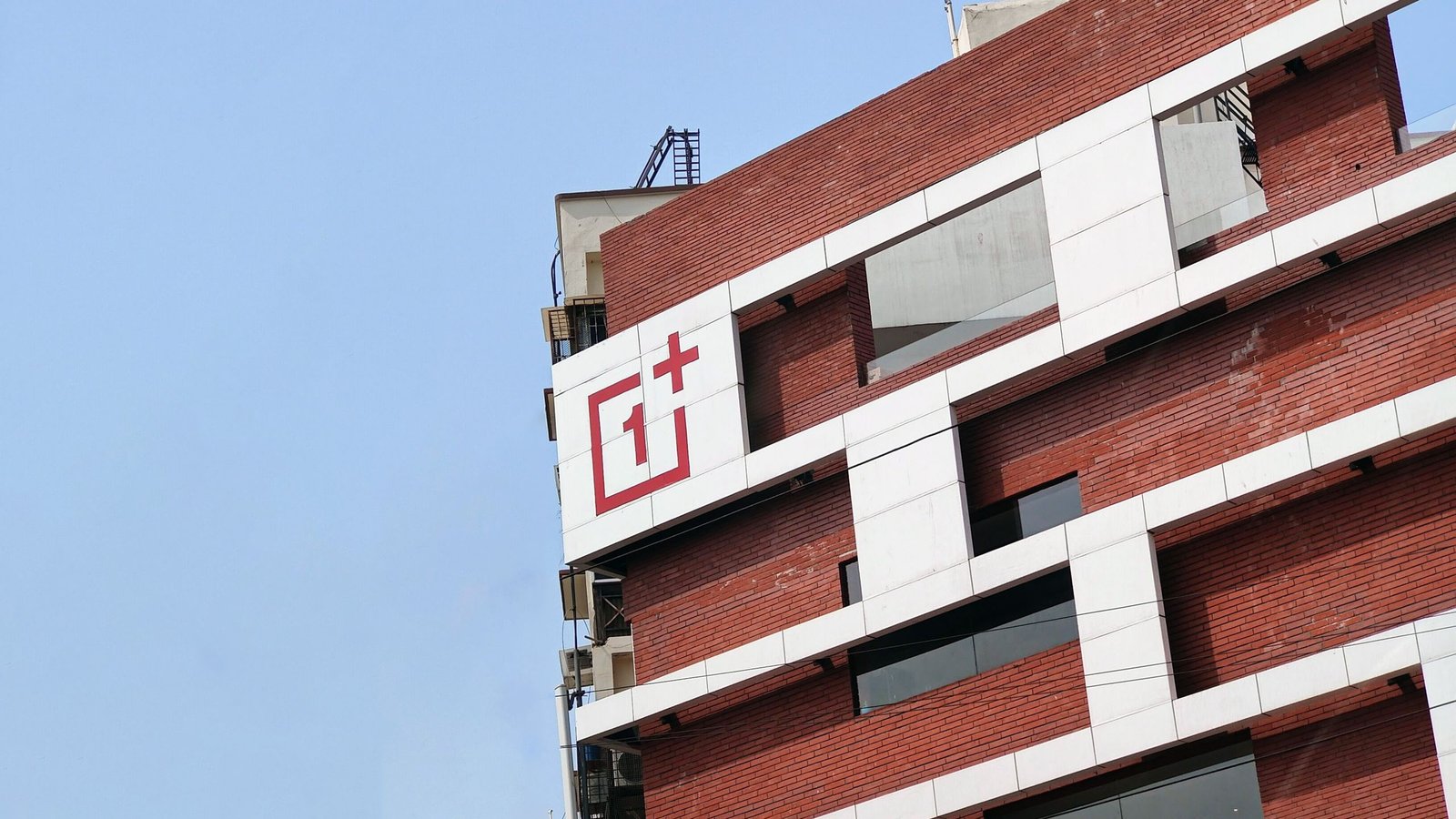
OnePlus is exiting the U.S. and European markets by the end of this week. A report from earlier this week indicated as much, and the company has confirmed to Android Central that it is pulling out of these regions. Additionally, OnePlus is killing off OxygenOS, with the company noting that its phones will use ColorOS, made by its parent company OPPO.
OnePlus also mentioned that OPPO will take over warranty agreements in Europe. “Backed by OPPO, existing OnePlus devices will continue to receive scheduled software updates and security patches within the support periods originally committed for each device model.” However, the company is ending all presence in North America by the end of this week.
This isn’t the end of OnePlus altogether; I had a meeting with OnePlus India’s Marketing Director Ishita Grover earlier in the week, where I received confirmation that the Indian business is unaffected by these changes. OnePlus will maintain its China unit as well, but it will no longer have a global presence outside of these two countries.

The move itself isn’t surprising. The smartphone industry as a whole had to contend with flagging sales and increasing costs this year, and estimates suggest storage and memory prices will be inflated at least until 2028. It’s clear that OPPO found OnePlus’ global business to be unsustainable as a result of these headwinds, so it’s pulling the plug.
By contrast, its India business is doing relatively well — for now. From the beginning, India contributed an outsized share of OnePlus’ global market, with the country regularly exceeding 50% of the company’s overall shipments. If anything, OnePlus has doubled down in India in recent months, launching the Nord CE6, Nord CE6 Lite, and the budget-focused OnePlus N6.
As for existing users, the biggest change will be the switch to ColorOS. After 11 years, OnePlus is shuttering OxygenOS, and future phones will launch with ColorOS. Existing phones will migrate to ColorOS with a platform update, and OnePlus said it will honor all existing update guarantees — these phones will just get ColorOS instead of OxygenOS.
Honestly, this is long overdue; ever since OxygenOS merged its codebase with ColorOS in 2021, I didn’t see the point of having two interfaces. For all intents and purposes, OxygenOS 16 is identical to ColorOS 16, and barring minute tweaks to the design and unique AI features, there isn’t any difference between the two.
With OnePlus now pulling out of most global markets, there’s a distinct dearth of choice in the Android ecosystem — particularly in North America and Europe — and it’s sad to see the brand make such an unceremonious exit.