I’ve tested over 100 fitness trackers head-to-head — 3 workout stats I trust the least
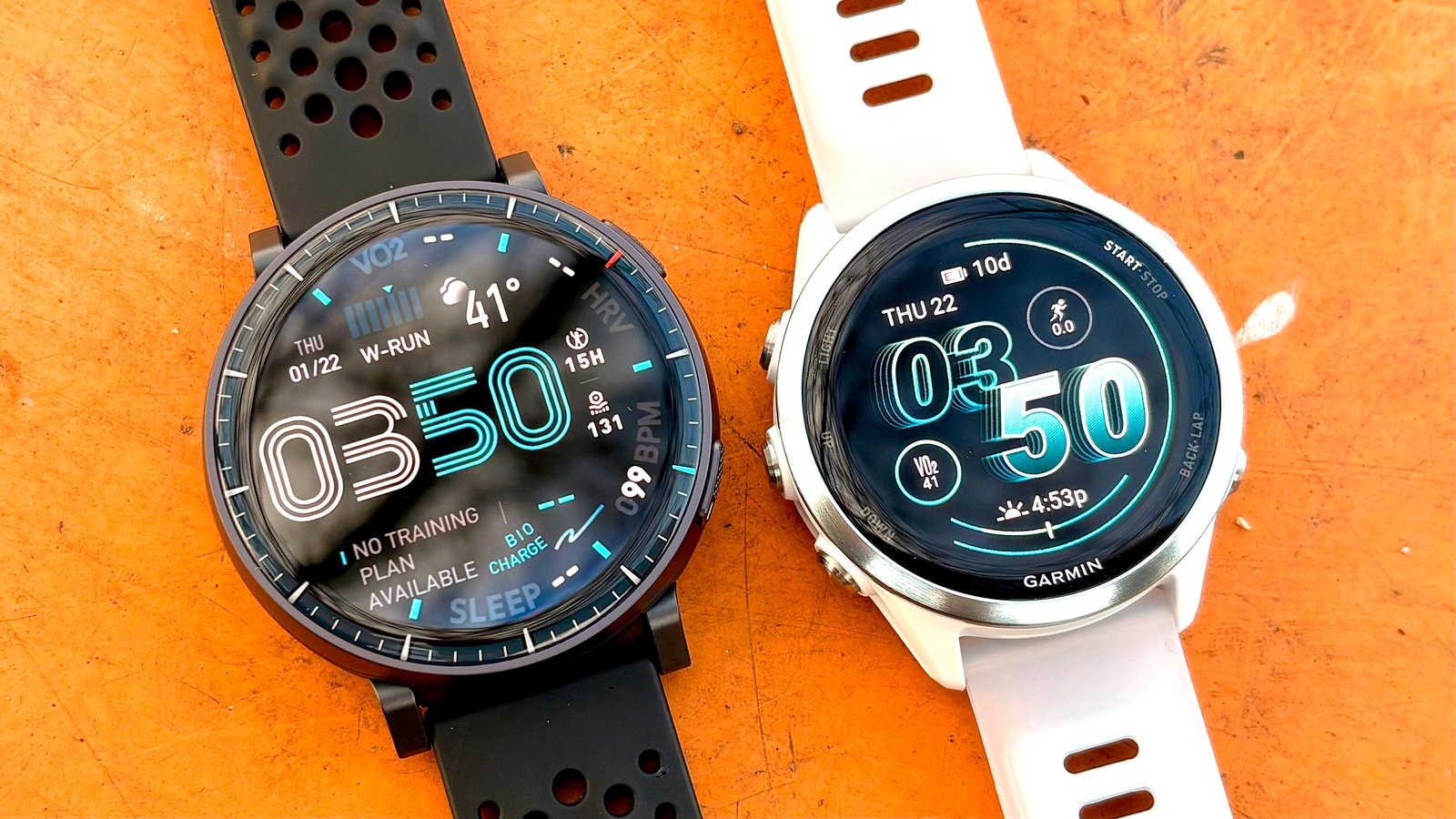
I test a lot of smartwatches and fitness trackers here at Tom’s Guide. I mean A LOT. If the device was released in the past three years, there’s a very good chance I’ve not only helped to review it but also tested it head-to-head against the competition.
The vast majority of name-brand wearables track heart rate, distance, and step count — assuming you’re going for a walk or hike — with impressive consistency, in my experience. For example, I’ve performed dozens of walk tests where I wear a device on either wrist and manually count my steps to see which comes closer.
Not only do most modern wearables come within a few hundred steps of my actual count — an impressive accomplishment when we’re talking 5,000 or more steps per walk — but most also report similar distance data, down to a few tenths of a mile, and broadly the same heart rate data, give or take a handful of beats per minute.

That said, there are three workout stats that are consistently, well… inconsistent. And it’s not just wallet-friendly models that struggle; even some of the best smartwatches and best fitness trackers occasionally have hiccups tracking these metrics.
The three fitness tracking stats I trust the least
1. Elevation gain

As an avid mountain sports enthusiast and someone who enjoys urban hiking and biking in a particularly hilly part of the U.S. (Seattle, WA), inconsistent elevation tracking seriously irks me. For example, it’s not unusual for a standard midday, two-mile walk to involve several hundred feet of climb.
Unfortunately, a lot of wearables come up short when it comes to assessing upward effort.
Not only that, some popular wearables don’t even offer a metric for elevation gain in the post-workout report, like the Fitbit Inspire 3. Others, like the newer Fitbit Air — a wearable I otherwise really like — measure elevation about as accurately as a newborn shooting pool.
Even the best Apple Watch models occasionally report inaccurate climb data. From my experience, the Ultra 3 is rock-solid, but both the Series 11 and SE 3 have been known to log slightly inflated elevation stats from time to time.
For what it’s worth, the brand I’ve found most consistent with elevation tracking is Garmin, that is, assuming you purchase one of the best Garmin watches, specifically, one with an onboard barometric altimeter. The new Forerunner 70, for example, lacks one.
2. Pace

Speaking of Garmin, it’s one of the few smartwatch brands that provides two pace metrics for outdoor activities like walks, hikes, runs, and bike rides: an average moving pace and an average elapsed (total) pace.
For most of us, the former is the more valuable metric, as it ignores long pauses — like waiting at a traffic light or stopping for a sip of water — thereby providing a more accurate measure of your actual moving effort.
Unfortunately, brands like Apple and Google only offer one pace metric in their respective workout reports. And though they don’t specify which pace metric it is, it’s almost always slower than the competition’s moving pace stat, suggesting both are reporting elapsed pace, the less valuable one.
3. Calories

Post-workout calorie counts are perhaps the most all over the place in my testing. For example, it’s not uncommon for one device to log one hundred or more calories burned than another after the exact same workout.
In fact, this metric tends to be so inconsistent that I mostly ignore it completely. Not only are most manufacturers opaque about how the calorie counts are even calculated in the first place, but key factors like a user’s metabolism or muscle mass are rarely taken into account when generating them.
Which fitness tracking stats do you think are bupkis? Let me know in the poll below.

Follow Tom’s Guide on Google News and add us as a preferred source to get our up-to-date news, analysis, and reviews in your feeds.