Killer Robots Are No Longer Science Fiction. Are They Here to Stay?
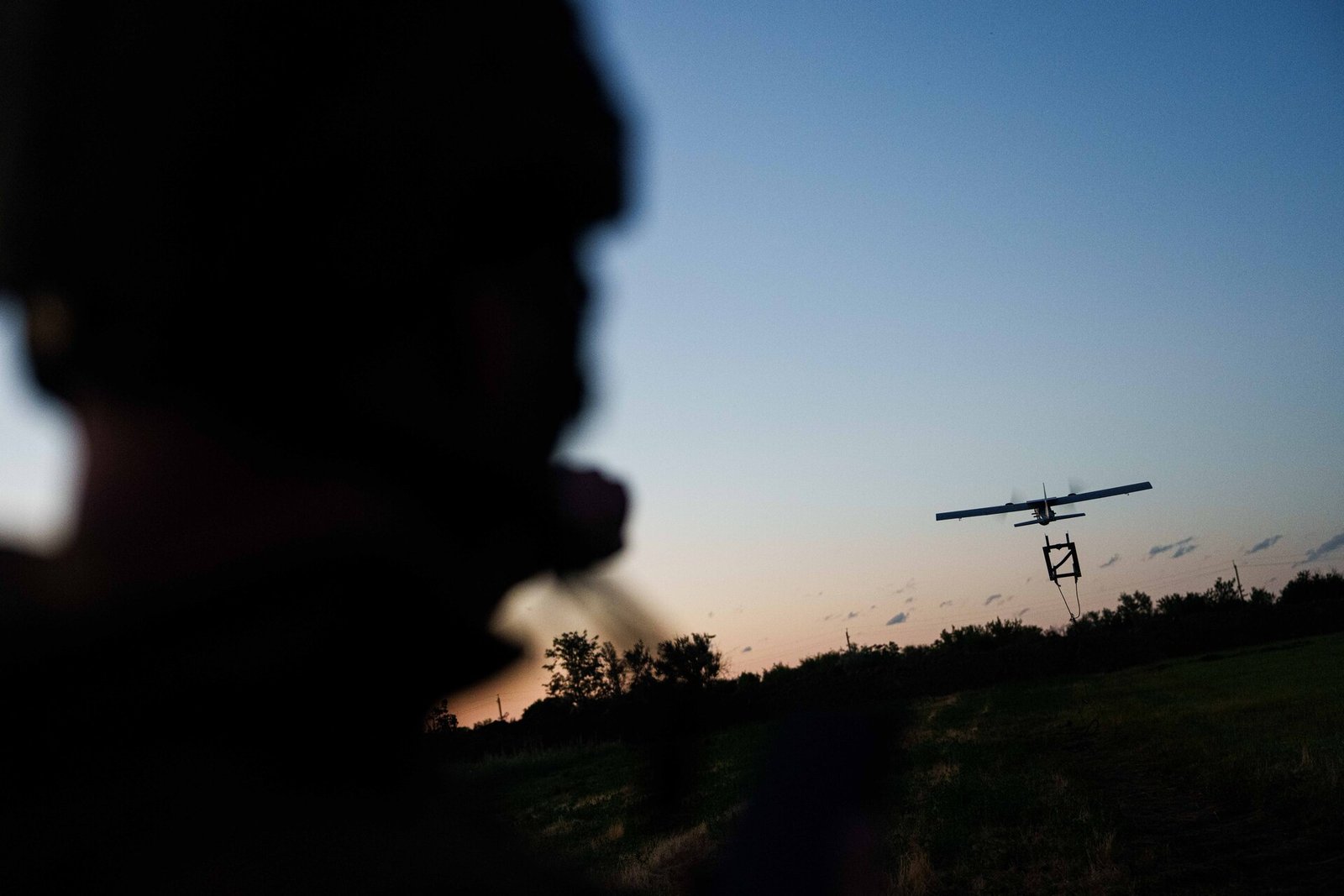
Last month, media outlets reported the first known battlefield deaths of human soldiers caused by a fully autonomous combat drone. Approximately two years ago, according to the CEO of a Ukrainian defense company, the country’s military “experimented” with a drone set to “Terminator mode,” in which it was programmed to fly between 3 and 5 kilometers before using an AI model to kill anything alive in the area. Because there was no video footage of the test, manual surveillance drones later sent to observe the results found two soldiers dead, presumably killed by the drone.
If true, this story is problematic, as international humanitarian law prohibits treating an area as a “free fire” zone in this way. Even if autonomous weapons could distinguish civilians from combatants and were ordered to do so, there is something deeply dehumanizing about machines killing people without any human oversight, as NGOs associated with the Campaign to Stop Killer Robots have argued.
For these reasons, a coalition of middle powers, working with scores of lawyers, ethicists and scientists, has been attempting since 2012 to create a treaty ban on the use of fully autonomous weapons. Until now, those efforts have stalled at the U.N.-based Convention on Certain Conventional Weapons (CCW).