The Sky Today on Monday, July 13: A young cluster in Cygnus
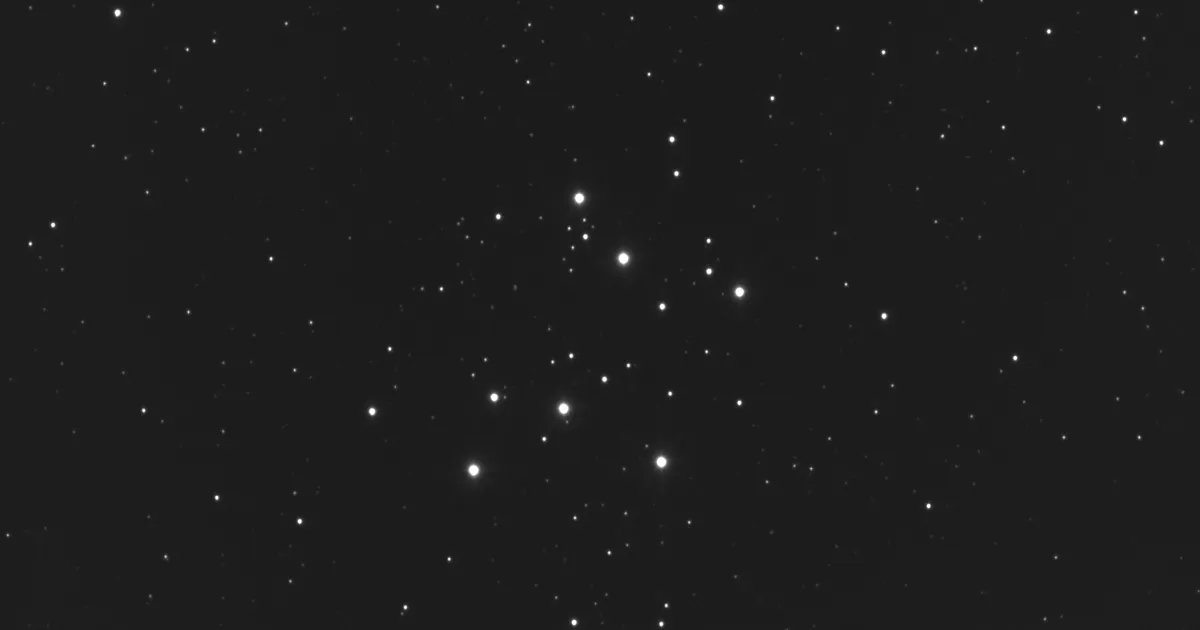
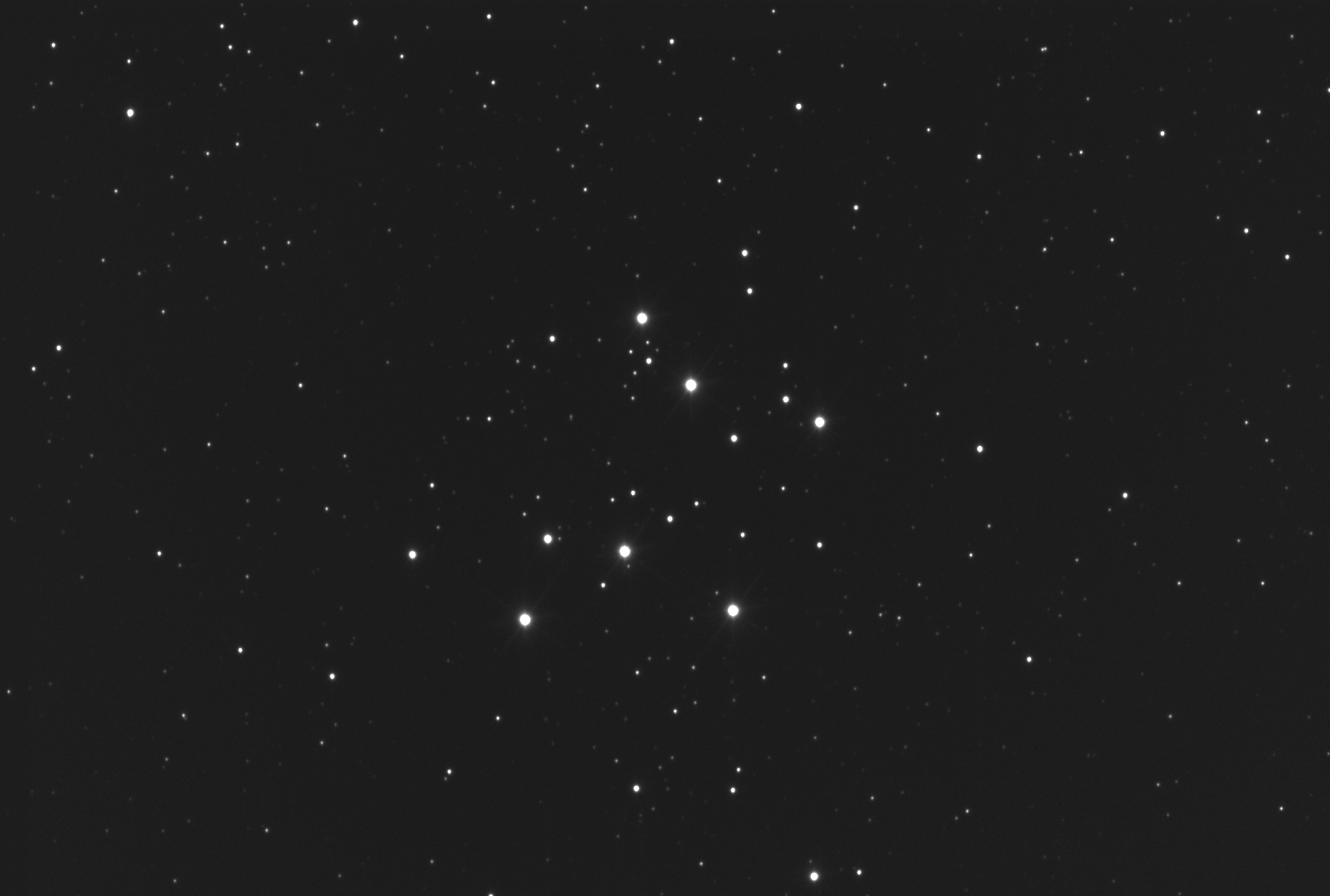
Open cluster M92 is a great object to study with binoculars or a telescope, near the center of the cross-shaped pattern of stars in Cygnus.
Looking for a sky event this week? Check out our full Sky This Week column.
July 12: Titan sits near Saturn
Tonight’s target is already high in the east an hour or two after sunset: M29, an open cluster in Cygnus the Swan. It’s easy to find, just under 8° south of Gamma (γ) Cygni, the star that marks the central point where the two “arms” of the cross-shaped constellation meet. Spanning about 7’ and glowing at 7th magnitude, it’s a great object to observe in any optics. In fact, it should be brighter, but abundant dust in this region of the sky has dimmed its stars such that they require optical aid to view. Through those optics, M29 appears as a loose group of some 50 to 80 suns.
Residing about 4,000 light-years away, this cluster is quite young, around 10 million years old.
Sunrise: 5:43 A.M.
Sunset: 8:29 P.M.
Moonrise: 4:22 A.M.
Moonset: 8:22 P.M.
Moon Phase: New
*Times for sunrise, sunset, moonrise, and moonset are given in local time from 40° N 90° W. The Moon’s illumination is given at 10 P.M. local time from the same location.
Mars passes 5° north of the red giant star Aldebaran in Taurus the Bull the morning of July 14 at 3 A.M. EDT. The best time to view this lovely pairing will be just over an hour before sunrise, when the region is well above the eastern horizon but the sky has not grown too bright with the oncoming dawn.
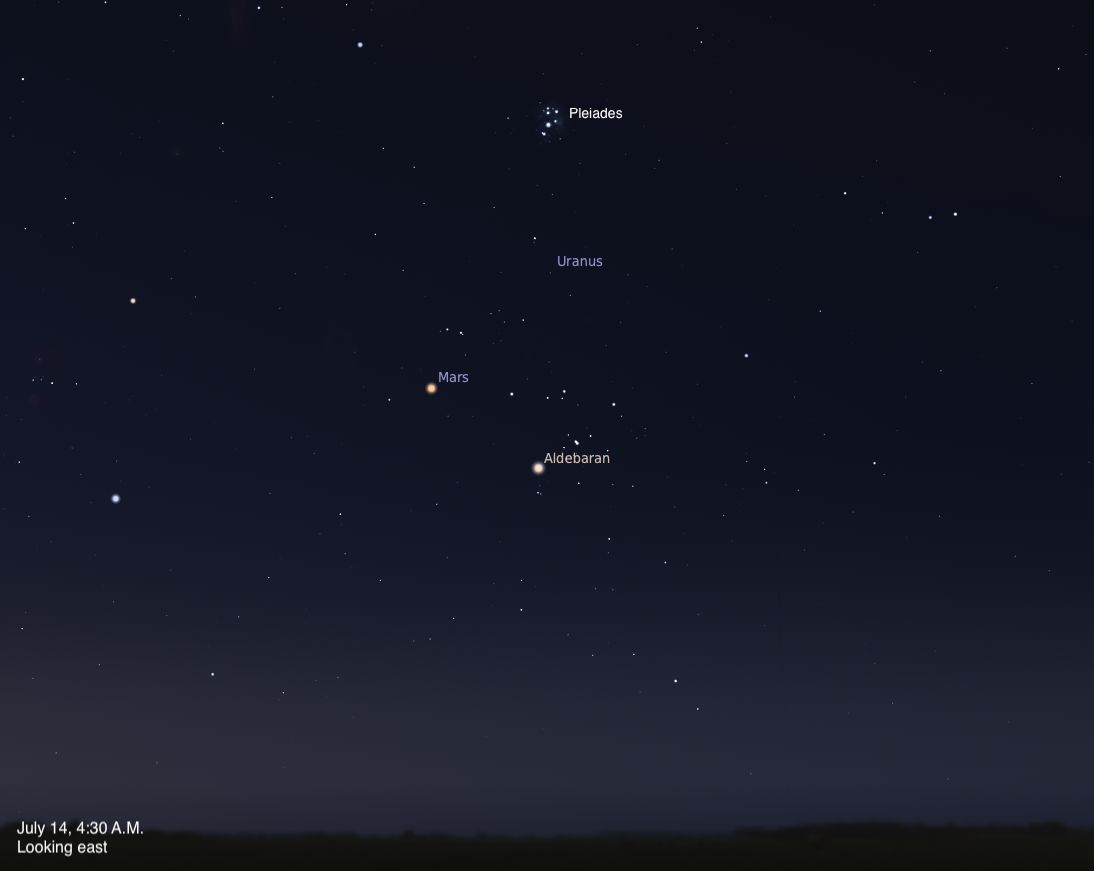
Mars glows at magnitude 1.3, fainter than magnitude 0.9 Aldebaran below it. Regardless of their differing magnitudes, however, consider their colors. Both should appear orangey-red, albeit for different reasons. The Red Planet is covered in what is essentially rust (iron oxide), which has an orangey hue, and is apparent when sunlight reflects off the planet’s surface. Meanwhile, Aldebaran’s color comes from its temperature — it is generating its own light, but this star burns at a lower temperature than our yellow-hued Sun.
Also visible in the early-morning sky is the Pleiades star cluster (M45), to the pair’s far upper right. The planet Uranus hangs below the Pleiades, technically visible to the naked eye under dark conditions and easy to pick up with any optics regardless of your site.
Alison Klesman is senior editor of Astronomy magazine. She holds a Ph.D. in astronomy and has studied a variety of topics, from minor planets to supermassive black holes.